Treasure Valley Siding
Vinyl Siding in the Treasure Valley
Affordable, low-maintenance vinyl siding
Vinyl is the most budget-friendly siding we install, and modern vinyl is a long way from the brittle, washed-out panels of decades past. Today's product comes in deeper profiles, richer color-through pigments that resist fade, and insulated versions with a foam backing that adds rigidity and a modest thermal break. For many Treasure Valley homes — especially larger surfaces where material cost adds up — it's a practical, genuinely low-maintenance choice.
Installed correctly, quality vinyl shrugs off rain and snowmelt, never needs painting, and stays looking clean with nothing more than an occasional rinse. It won't rot or feed insects, and there's no finish to peel or chalk. We offer lap, dutch-lap, and shake profiles so a vinyl exterior can read crisp and traditional rather than flat and cheap.
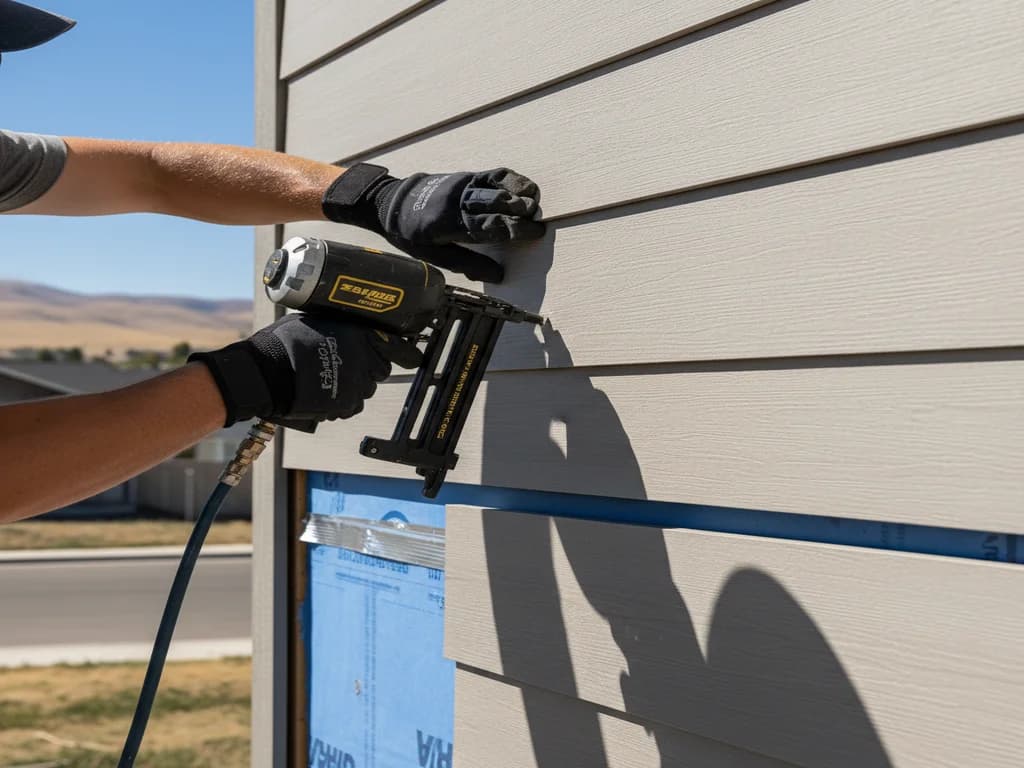
The make-or-break detail with vinyl is expansion. Vinyl moves a lot with temperature, and the Treasure Valley's huge gap between summer highs and winter lows is exactly the cycling that buckles or oil-cans panels when they're nailed too tight. We hang vinyl with the correct fastening and expansion allowance so the panels float and stay flat through every season — the single most important thing separating a good vinyl job from a bad one here.
Vinyl is the right fit for owners prioritizing upfront budget and zero painting, covering a lot of square footage, or readying a rental or resale exterior efficiently. It's less impact- and fire-resistant than fiber cement or steel, and we'll compare those trade-offs openly so the choice is informed.
What's included
- Insulated & standard vinyl
- Lap, dutch-lap & shake profiles
- Color-through fade resistance
- Soffit, fascia & trim
- Tear-off & re-side
Our process
How we handle vinyl siding
- 01
Quote & color selection
We measure, walk you through lap, dutch-lap, and shake profiles and color-through finishes, and recommend insulated or standard vinyl for your budget and goals.
- 02
Tear-off & prep
Existing siding comes off and we inspect the wall, repairing any rot or substrate damage before install.
- 03
Barrier & flashing
A weather-resistive barrier and flashing are installed so the wall is protected behind the new panels and water drains back out.
- 04
Install with expansion allowance
Vinyl is hung with the correct fastening and expansion gaps so it floats and stays flat through Idaho's temperature swings — the detail that prevents buckling and oil-canning.
- 05
Trim & accessory detailing
J-channel, corners, starter strip, and trim are installed to match, and soffit and fascia are coordinated where they're part of the scope.
- 06
Cleanup & walkthrough
A magnetic nail sweep clears the site and we walk the finished exterior with you before closing out.
In the Treasure Valley
Built for local homes & weather
Vinyl's expansion and contraction matter a lot in the Treasure Valley, where summer highs and winter lows are far apart — installing it with the right fastening allowance is what keeps panels from buckling or oil-canning here. A vinyl job that fails in our climate almost always traces back to fasteners driven too tight rather than to the product itself.
Some HOAs across Meridian, Nampa, and Kuna restrict or specify siding material and color, and a few newer architectural-review neighborhoods limit vinyl in favor of fiber cement or engineered wood. We'll check the standards with you before recommending it and help with any submittal.
A full vinyl re-side generally requires a permit across the valley, and swapping cladding can trigger current weather-barrier energy-code details depending on scope. Because vinyl is often the budget-conscious choice, we keep the permit and inspection coordinated so the savings don't come with a paperwork headache later.
Vinyl Siding FAQs
Does vinyl look cheap?
Older flat, thin vinyl did; modern insulated vinyl with deeper profiles, dutch-lap or shake textures, and color-through finishes reads clean and crisp from the curb. We'll show you current product so you can judge it for yourself rather than picturing the vinyl of decades ago.
Will it crack in the cold?
Quality vinyl installed with the correct expansion allowance handles Idaho cold well. Cold-weather cracking and warping almost always come from fasteners driven too tight, which removes the panel's room to move. Proper floating installation is the key — and it's where we focus.
What's the difference between insulated and standard vinyl?
Insulated vinyl has a contoured foam backing that adds rigidity, a flatter appearance, a modest thermal break, and some sound dampening; standard vinyl is lighter and more affordable. We'll compare both against your budget and whether the added rigidity matters on your walls.
Is vinyl really the cheapest option?
It's typically our most budget-friendly siding material, especially over larger surfaces where material cost compounds. It's a fair comparison to put it next to engineered wood and fiber cement so you see total value, not just upfront price — we'll do that openly.
How long does vinyl last and how do I maintain it?
Quality vinyl lasts for many years with essentially no painting — an occasional rinse keeps it clean. The main watch-items are impact damage and, on cheaper product, fade over long sun exposure; color-through pigments resist that better. We'll point out what to expect for the product you choose.
What drives the cost?
Square footage, profile, insulated versus standard, stories and access, trim and accessory detail, and any substrate repair are the main factors. We quote after a site visit.
What makes vinyl siding cost more or less than other options?
Vinyl is usually the lightest and least expensive material to install, but the price still moves with wall area, stories, tear-off, and the panel grade you choose, since thicker insulated and premium-profile panels cost more than builder-grade. Trim, corner posts, and J-channel detail around windows add labor. We give a free on-site estimate so you see what your specific house runs.
Does vinyl siding warp or crack in Idaho's heat and cold?
Vinyl expands and contracts noticeably with temperature, so the real risk in our climate is installation, not the material: panels nailed too tight can buckle in summer heat or crack in deep cold. Hung correctly with the right slack and fastener placement, quality vinyl handles valley heat and freeze-thaw fine. Heat warping near grills or reflective windows is a separate, occasional issue.
Will vinyl siding survive a Treasure Valley hailstorm?
Vinyl can crack or be punched through by larger hail, more so in cold weather when it's more brittle, though small hail often just bounces off. Thicker premium panels resist impact better than thin builder grade. If a storm damages a wall, your homeowner's insurance may cover repair or replacement, and we can document the damage for that claim.
How does vinyl compare to fiber cement and engineered wood?
Vinyl is the cheapest and lowest-maintenance option and never needs painting, but it's less rigid, can crack from impact, and looks less like real wood than fiber cement or engineered wood. The others cost more and may need repainting but offer a more solid feel and, with fiber cement, fire resistance. It's largely a budget-and-look decision.
What maintenance does vinyl siding actually need?
Vinyl is about as low-maintenance as siding gets: an occasional wash to knock off dust and valley pollen is usually it, and there's no painting. Color can fade over many years of UV, and you'll want to check that panels and corner posts haven't worked loose after big wind. Cracked panels are swapped individually rather than repainted.
Other siding types we install
Explore the rest of our siding materials and services across the Treasure Valley.
Materials
Fiber Cement Siding
Durable, fire- and rot-resistant fiber cement siding built for Idaho's freeze-thaw swings.
Learn more →Engineered Wood Siding
Engineered wood siding combining a real-wood appearance with better moisture and impact resistance.
Learn more →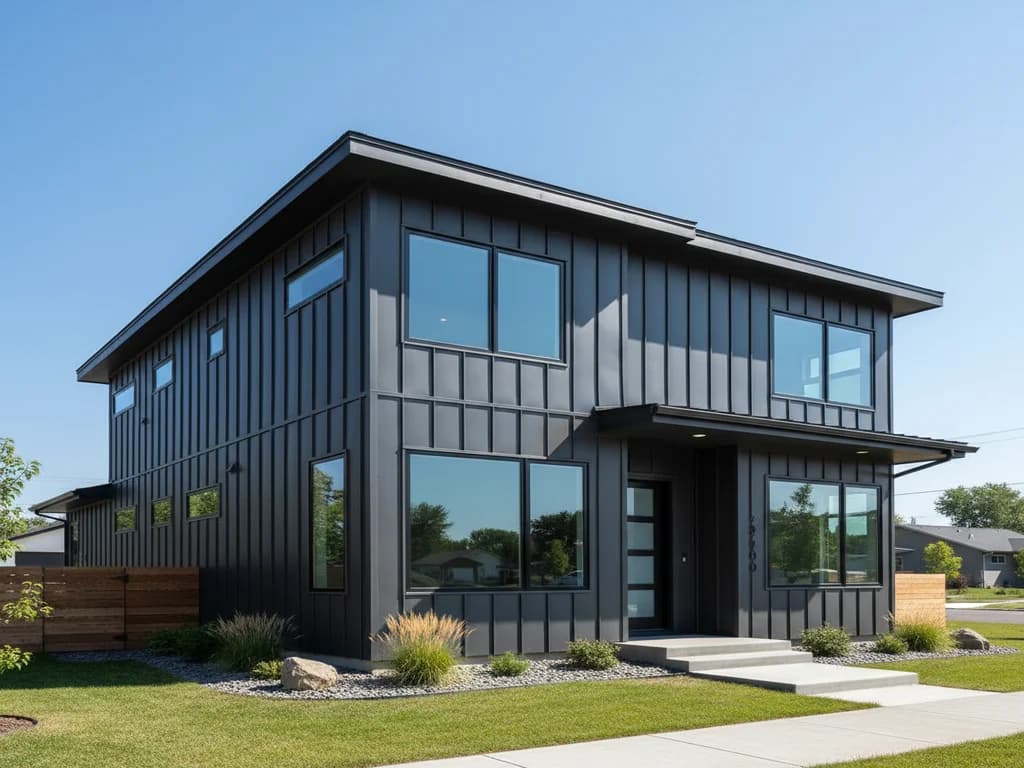
Steel & Metal Siding
Tough steel and metal siding for a modern look with serious weather and impact resistance.
Learn more →Brands We Install
Repair & Specialty
Siding Repair
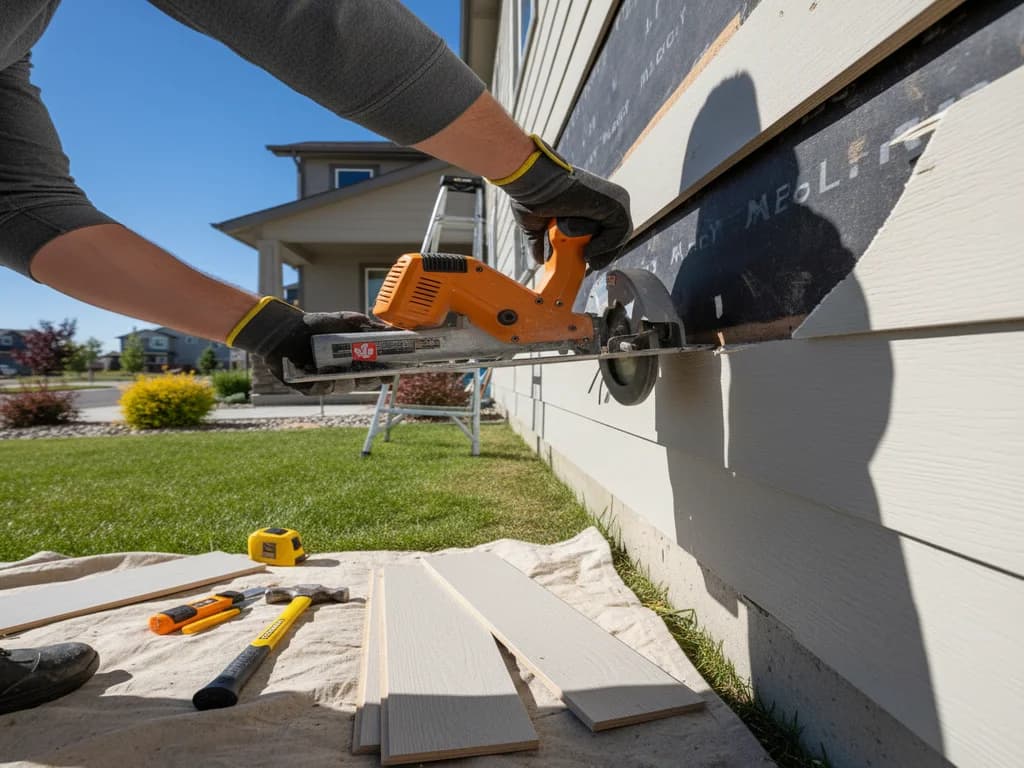
Targeted siding repair — cracked boards, storm damage, and failed sections fixed and color-matched.
Learn more →Dry Rot & Water Damage Repair
Find and fix the rot behind failing siding — damaged sheathing, trim, and substrate restored.
Learn more →Siding Replacement & Re-Side
Full tear-off and re-side — swap tired or failing siding for a tight, modern, weather-ready exterior.
Learn more →Storm & Hail Damage Siding
Wind- and hail-damaged siding assessed, documented, and restored after Treasure Valley storms.
Learn more →Commercial & Multifamily
Commercial Siding
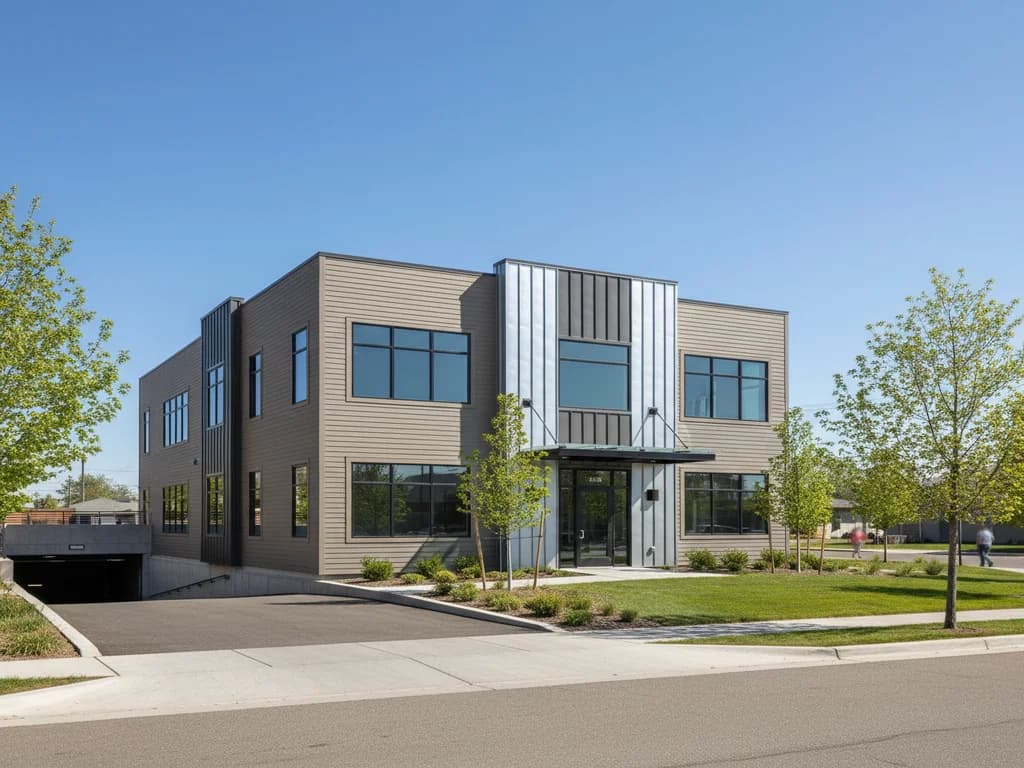
Siding and exterior cladding for offices, retail, and light-commercial buildings across the valley.
Learn more →Multifamily & HOA Siding
Siding for apartments, condos, townhomes, and HOA communities — consistent, code-right, on schedule.
Learn more →New Construction Siding
Siding for builders and GCs — accurate, on-schedule installation on new Treasure Valley homes.
Learn more →
Helpful guides
Plain, local guidance to research vinyl siding before you commit.
Sources & references
How we back what we say
Our recommendations follow building code, manufacturer specifications, and federal efficiency standards — not sales scripts. These are the primary sources behind the guidance on this page.
- Siding Products & Installation ResourcesJames Hardie
Manufacturer product data and published installation specifications for fiber cement siding, including the HardieZone climate-based product system.
- LP SmartSide Engineered Wood SidingLP Building Solutions
Manufacturer product line and installation instructions for engineered wood siding and trim.
- Energy Saver: SidingU.S. Department of Energy
Background on the wall assembly behind siding — insulation, drainage planes, and moisture control.
- Renovation, Repair and Painting (RRP) RuleU.S. Environmental Protection Agency
Federal lead-safe work practices required when disturbing painted surfaces on homes built before 1978 — relevant to siding tear-offs and window/door replacement on older Treasure Valley homes.
- Idaho Contractor RegistrationIdaho Division of Building Safety
Idaho's contractor registration program (RCE numbers). You can verify any Idaho contractor's registration status here.
- International Residential Code (IRC)International Code Council
The model residential building code Idaho jurisdictions adopt — governs weather-resistive barriers, flashing, fastening, and egress that exterior work must meet.
- Energy Saver: WeatherizeU.S. Department of Energy
DOE guidance on air sealing and the building envelope — the principles behind proper flashing, weather barriers, and sealing.
Need vinyl siding done right?
Tell us about your siding, window, or door project — we'll come take a look and give you a straight, free estimate.