Treasure Valley Exteriors
Replacement Windows in the Treasure Valley
Energy-efficient replacement windows installed right
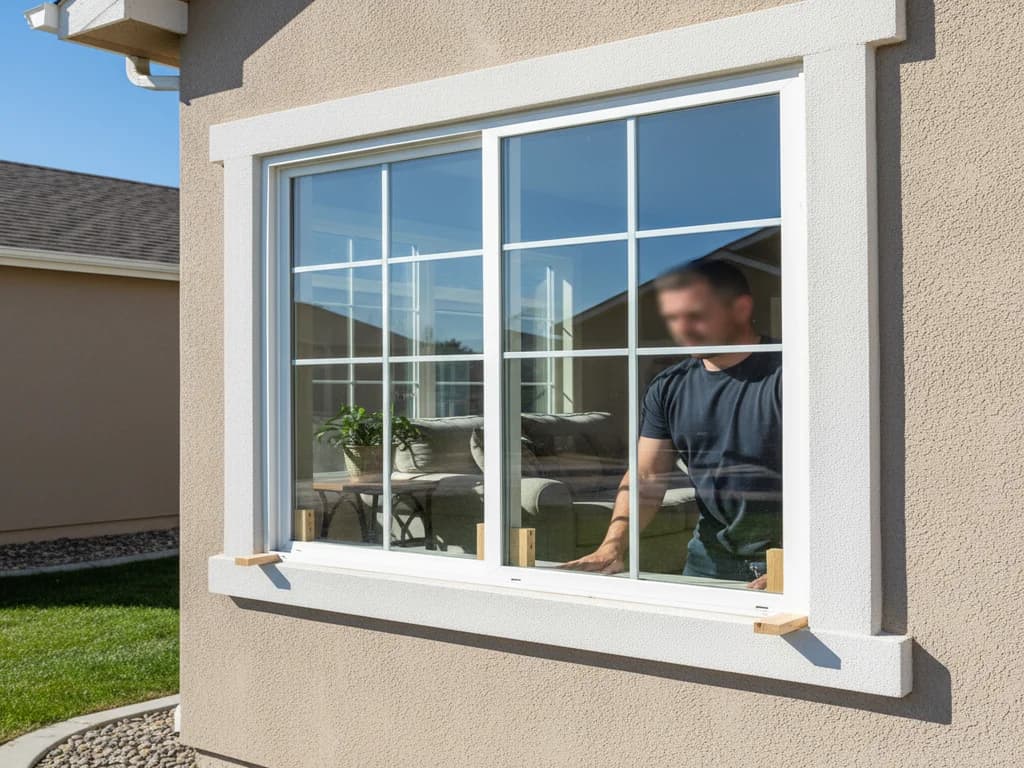
Windows are where comfort, energy cost, and curb appeal all meet. A worn-out window leaks conditioned air, lets radiant heat pour in during July and bleed out in January, fogs up when its seal fails, and can stick or refuse to lock. Iron Crest Exteriors installs replacement windows across the Treasure Valley in the configurations and materials that fit your home — double-hung, casement, slider, picture, awning, bay, and bow — with the flashing and air sealing that make a window actually perform, not just look new from the curb.
There are two fundamentally different ways to replace a window, and which one is right depends on the condition of your existing opening. Insert (pocket) replacement sets a new window into the existing frame when that frame is square, dry, and sound — it's faster, less invasive, and preserves the interior and exterior trim. Full-frame replacement takes everything down to the rough opening, which is the right call when the original frame is rotted, out of square, or was never properly flashed. Full-frame costs more and disturbs more trim, but it lets us correct the flashing and air sealing at the opening — the things that determine whether the new window leaks water or air down the road.
The numbers on the sticker matter here. U-factor measures how well the window resists heat flow — lower is better for our cold winters. Solar Heat Gain Coefficient (SHGC) measures how much solar heat the glass admits — a moderate-to-low value helps tame the valley's intense summer sun on west- and south-facing walls. Double-pane low-E glass with an inert gas fill is the practical baseline for our climate; triple-pane adds further insulation and sound dampening where it's worth the cost. Frame material matters too: vinyl is affordable, low-maintenance, and insulates well, while fiberglass is more dimensionally stable across big temperature swings and accepts paint, at a higher cost.
Beyond comfort and efficiency, replacement is also the moment to address egress. Bedrooms generally require a window large enough to climb out of in an emergency, and an older or undersized unit may not meet current code. We measure for egress where it applies and flag it before, not after, the order is placed.
Window Types We Install
Every windows material and service we install across the Treasure Valley — each with distinct advantages for Idaho's climate. Explore the options below.
Materials
Double-Hung Windows
Classic double-hung replacement windows — both sashes operate, easy to clean, fit nearly any home style.
Learn more →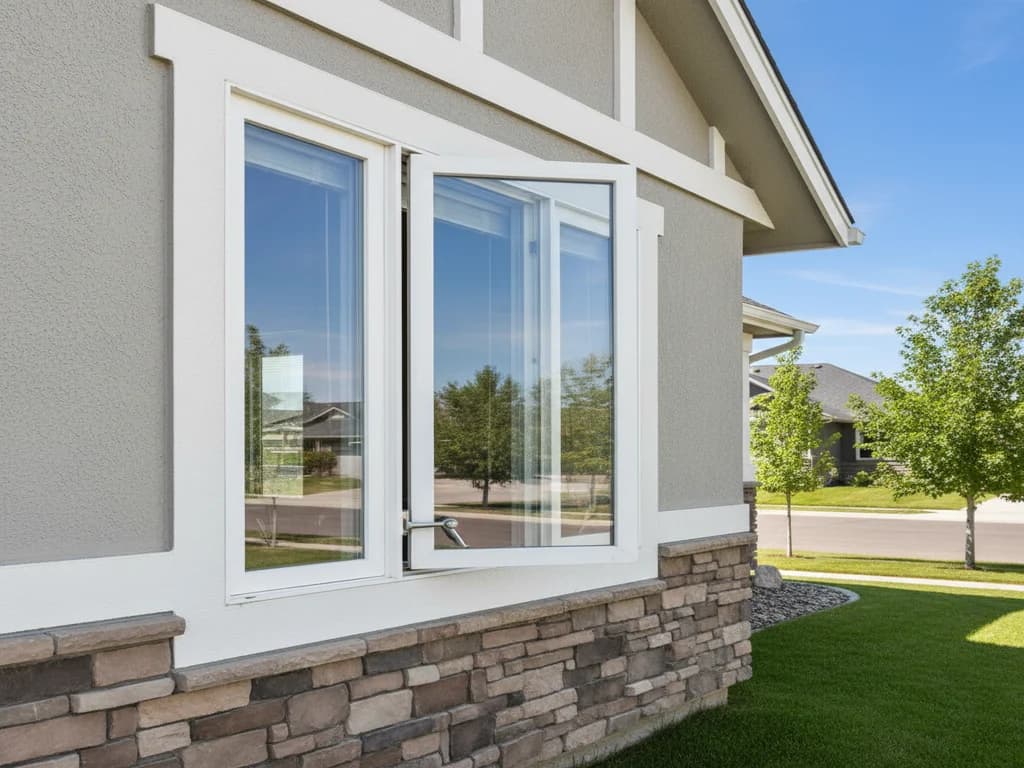
Casement Windows
Crank-out casement windows that seal tight and catch a breeze — great for hard-to-reach spots.
Learn more →Slider Windows
Horizontal slider windows — smooth operation, wide views, a fit for modern and ranch homes.
Learn more →Picture Windows
Fixed picture windows for big, unobstructed views and maximum daylight with top energy performance.
Learn more →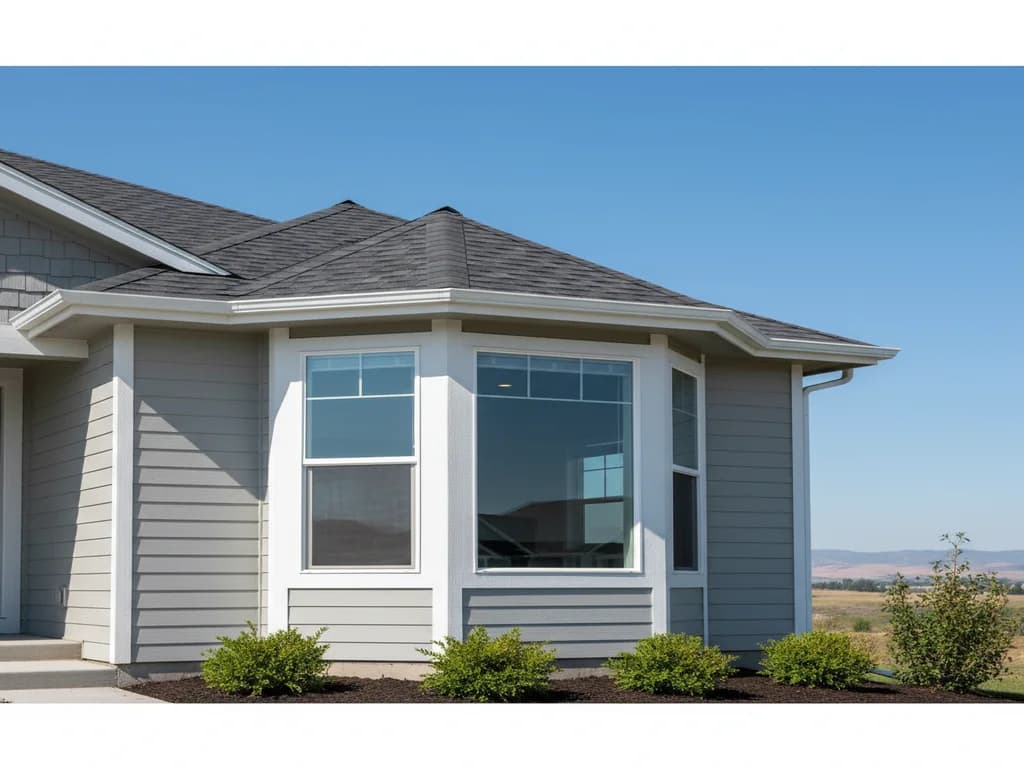
Bay & Bow Windows
Bay and bow windows that add space, light, and architectural character to a room.
Learn more →Vinyl Windows
Low-maintenance vinyl windows with strong energy performance at a budget-friendly price.
Learn more →Fiberglass Windows
Strong, stable fiberglass windows that handle Idaho temperature swings with minimal expansion.
Learn more →Brands We Install
Milgard® Windows
Installation and replacement of Milgard® vinyl and fiberglass windows across the Treasure Valley.
Learn more →Andersen® Windows
Installation and replacement of Andersen® windows — composite, wood, and vinyl lines.
Learn more →Marvin® Windows
Installation and replacement of Marvin® windows — fiberglass and wood-clad lines for premium builds.
Learn more →Pella® Windows
Installation and replacement of Pella® windows — wood, fiberglass, and vinyl lines.
Learn more →Repair & Specialty
Egress Windows
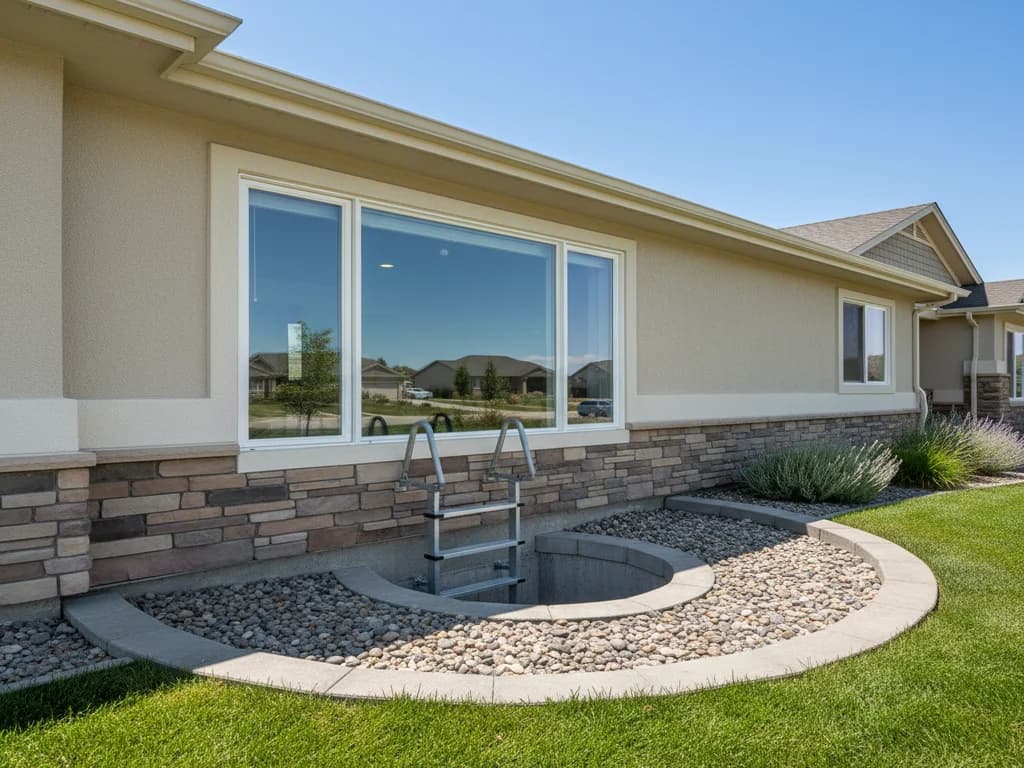
Code-compliant egress windows for basements and bedrooms — safe exits and more daylight below grade.
Learn more →Energy-Efficient Windows
Low-E, multi-pane windows that cut drafts and tame Treasure Valley heating and cooling bills.
Learn more →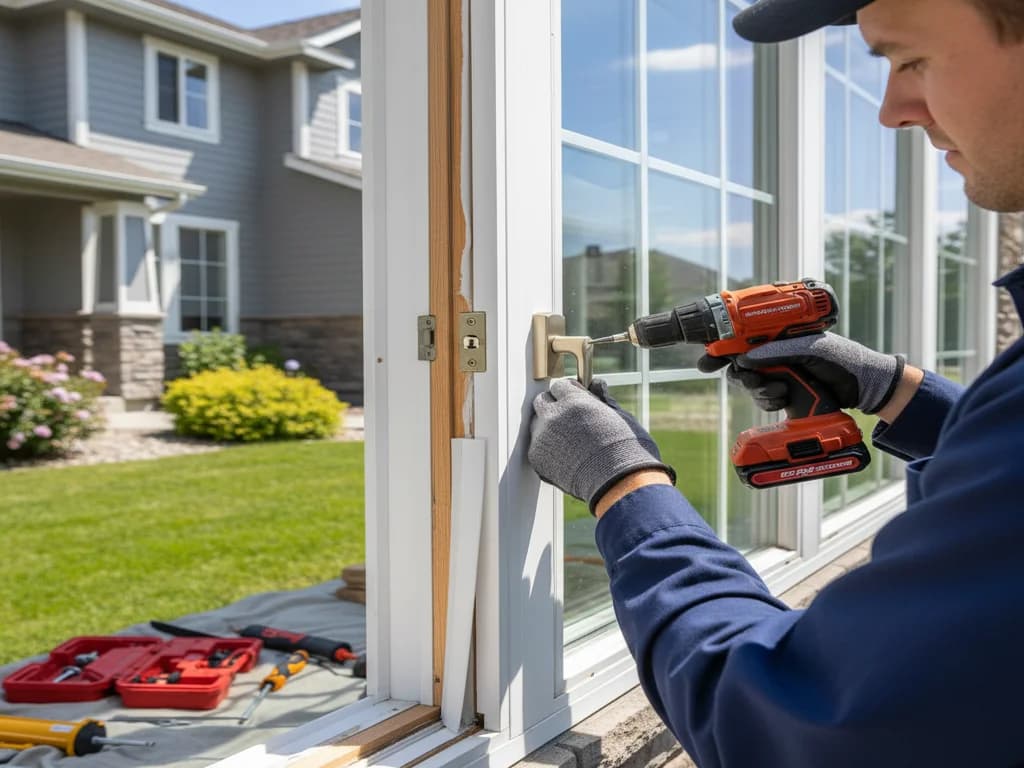
Window Repair
Fogged glass, failed seals, broken hardware, and drafty windows repaired — or replaced if it's smarter.
Learn more →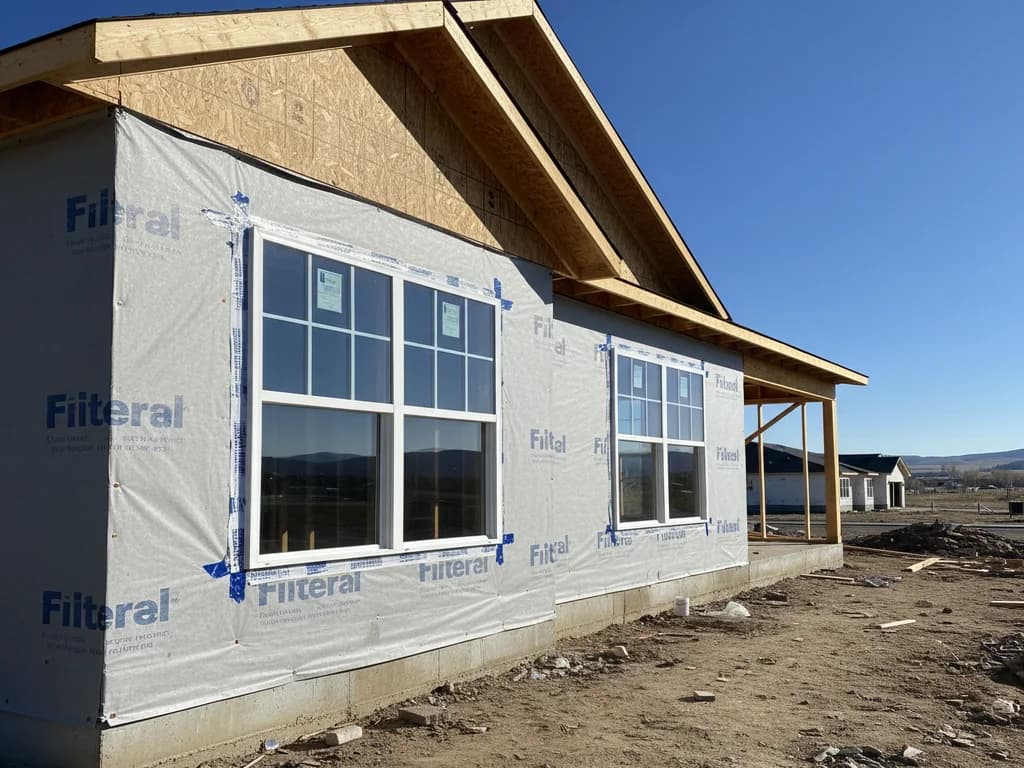
Our process
How we handle replacement windows
- 01
Free on-site consultation and precise measuring
We measure every opening accurately, check each existing frame for rot, racking, and prior water damage, and note egress requirements and difficult exposures. You get a written estimate scoped to the openings and approach that actually fit your home.
- 02
Window selection and specification
We walk you through insert versus full-frame for each opening, frame materials (vinyl vs. fiberglass), glass packages (double vs. triple pane, low-E coatings, gas fill), and the U-factor and SHGC numbers that matter for our climate — with straight guidance, not a sales pitch for one product.
- 03
Removal and opening prep
Old units come out carefully to protect surrounding walls and finishes. On full-frame jobs we expose the rough opening, inspect and repair the framing, and prepare a clean, square opening to set the new window into.
- 04
Setting, flashing, and air sealing
Each window is set plumb, level, and square, then shimmed and fastened so it operates smoothly and locks cleanly. We flash the sill and head to manage any water that reaches the opening and air-seal the perimeter with the proper sealant or foam so energy isn't lost around the frame.
- 05
Trim, finishing, cleanup, and walkthrough
Interior and exterior trim is finished cleanly, exterior joints are sealed, and the work area is cleaned up with a check for stray fasteners and glass. We walk every window with you — opening, locking, and sealing — before the job is closed out.
In the Treasure Valley
Built for local homes & weather
The Treasure Valley's temperature range is brutal on windows: subzero winter nights, triple-digit July afternoons, and the daily swings in between expand and contract frames and seals constantly. That's exactly the cycling that breaks the insulated glass seal on older units — once you see fog or mineral haze trapped between the panes, the seal has failed and the insulating value is gone. The valley's hard water can also etch exterior glass over time. Homes built before the mid-1990s frequently still have aluminum single-pane windows with no thermal break, which conduct cold straight through the frame in addition to the glass; those are the units where new windows make the most noticeable difference in comfort.
Newer subdivisions in Meridian, Eagle, Star, Nampa, and Kuna often fall under HOA architectural review, which can dictate exterior frame color and grid (muntin) patterns. We help you choose options that keep the committee happy while meeting your performance goals. Across the valley, bedroom window replacements may also trigger egress sizing requirements — if your old window is undersized, code can require enlarging the opening, which we'll identify at the measure rather than mid-project.
Most Treasure Valley jurisdictions require a permit for window replacement, and energy-code provisions can apply to the U-factor and SHGC of the units you install. We coordinate the permit and make sure the windows we order meet the applicable code so the work passes inspection and is documented for resale.
Replacement Windows FAQs
What's the difference between full-frame and insert replacement windows?
Insert (pocket) replacement fits a new window into your existing frame without removing it — faster, less expensive, and it preserves your trim, but it only works when the existing frame is square, dry, and sound. Full-frame replacement removes everything down to the rough opening, which is the right choice when the frame is rotted, out of square, or was never properly flashed. Full-frame costs more and disturbs more trim, but it lets us correct the flashing and air sealing at the opening. We assess each opening individually and recommend the approach that actually fits its condition.
What do U-factor and SHGC mean, and which numbers should I want?
U-factor measures how well a window resists heat flow — the lower the number, the better it insulates, which matters most for our cold winters. SHGC (Solar Heat Gain Coefficient) measures how much solar heat the glass lets in — a moderate-to-low value helps keep west- and south-facing rooms from overheating in our intense summer sun. For the Treasure Valley, a low U-factor with a balanced SHGC is usually the sweet spot. We'll point you to units that meet the applicable energy code and suit each elevation's exposure.
Are triple-pane windows worth it here, or is double-pane enough?
Double-pane low-E glass with an inert gas fill is the practical baseline for our climate and performs well for most homes. Triple-pane adds another layer of insulation and meaningfully reduces outside noise, which can be worth it on exposed elevations, very cold-sensitive rooms, or homes near busy roads. It costs more and weighs more, so we'll be honest about where it pays off for you and where double-pane is the smarter spend.
Vinyl or fiberglass frames — which should I choose?
Vinyl is the most affordable, insulates well, and never needs painting, which makes it the right answer for many homes. Fiberglass is more dimensionally stable across the big temperature swings we get, expands and contracts at a rate close to glass, and can be painted, but it costs more. If budget is the priority, vinyl is hard to beat; if long-term stability on heavily sun-exposed elevations or paintability matters to you, fiberglass earns its premium.
How much will new windows lower my energy bills?
It depends on what you're replacing, what you install, and how your home is heated, cooled, and used. Going from aluminum single-pane to modern double-pane low-E will make a real, noticeable difference in comfort and drafts, and most homeowners see it on their bills — but we won't quote a specific dollar or percentage figure, because the honest answer varies too much from home to home to promise a number.
What about egress windows in bedrooms?
Bedrooms generally require a window large enough to escape through in an emergency, and older or undersized units may not meet current egress requirements. When that applies, the opening may need to be enlarged, which affects scope and timeline. We measure for egress at the consultation and flag it before the order so there are no surprises mid-project.
How long does window replacement take, and can you do just a few?
Insert replacements for a whole house often take one to two days; full-frame work, larger units like bays and bows, or openings that need framing repair take longer. And yes — we install single windows and small quantities, not just whole-house projects. We'll give you a realistic timeline at the estimate based on the count, the approach, and what we find at each opening.
Do replacement windows require a permit?
In most Treasure Valley jurisdictions, yes, and energy-code provisions can apply to the windows you install. We coordinate the permit and verify the units meet code so the work passes inspection and is on the books for resale.
What drives the cost of replacement windows in the Treasure Valley?
The biggest cost factors are frame material (vinyl is generally the value choice, fiberglass costs more), the glass package (double versus triple pane, low-E coatings, gas fill), and whether the job is a full-frame replacement or an insert into the existing frame. Opening size, the number of windows, and access details like upper-story or hard-to-reach openings also move the price. We give a free on-site estimate so you see exactly what your home needs.
How long does a whole-home window replacement take?
Most insert replacements move quickly because the existing frame stays in place, so a typical home is often done in a day or a few days depending on the count. Full-frame replacements take longer per opening since we remove the frame down to the rough opening and reflash. Lead time to get your specific windows built and delivered is usually the longer part of the timeline, not the install itself.
What U-factor and SHGC should I look for in Idaho?
Idaho sits in the ENERGY STAR Northern climate zone, so the priority is a low U-factor to hold heat in during cold winters. A lower U-factor means better insulation, and SHGC (solar heat gain) can run a bit higher here to allow useful winter sun. Every window carries an NFRC label showing both numbers, and we walk you through choosing a package that fits our climate.
Should I do full-frame replacement or an insert?
An insert (pocket) replacement reuses your existing frame and is less invasive when that frame is sound, which keeps cost and timeline down. Full-frame replacement removes everything to the rough opening and is the right call when there's rot, water damage, or you want to change the window size. During the estimate we check the existing frames and recommend the honest approach rather than defaulting to one.
How do I know it's time to replace my windows?
Common signs are drafts you can feel, fogging or condensation trapped between the panes (a failed seal), sashes that stick or won't stay up, and visible rot or water staining at the sill. Rising heating bills and rooms that never feel comfortable are also clues. If only one or two units have failed seals, repair may be enough, which is something we'll tell you straight.
Pairs well with
Exterior projects often combine a few of these — one crew handles the whole job.
Helpful guides
Research the trade-offs before you commit — plain, local guidance on replacement windows.
Sources & references
How we back what we say
Our recommendations follow building code, manufacturer specifications, and federal efficiency standards — not sales scripts. These are the primary sources behind the guidance on this page.
- ENERGY STAR Windows, Doors & SkylightsU.S. EPA / ENERGY STAR
Federal efficiency criteria and the climate-zone requirements that determine which windows qualify in Idaho's Northern climate zone.
- Energy-Efficient WindowsU.S. Department of Energy
How U-factor, SHGC, glazing, gas fills, and frame materials affect comfort and energy bills.
- Window Energy Performance RatingsNational Fenestration Rating Council (NFRC)
The independent rating system behind the U-factor and SHGC numbers on every window's NFRC label.
- Renovation, Repair and Painting (RRP) RuleU.S. Environmental Protection Agency
Federal lead-safe work practices required when disturbing painted surfaces on homes built before 1978 — relevant to siding tear-offs and window/door replacement on older Treasure Valley homes.
- Idaho Contractor RegistrationIdaho Division of Building Safety
Idaho's contractor registration program (RCE numbers). You can verify any Idaho contractor's registration status here.
- International Residential Code (IRC)International Code Council
The model residential building code Idaho jurisdictions adopt — governs weather-resistive barriers, flashing, fastening, and egress that exterior work must meet.
- Energy Saver: WeatherizeU.S. Department of Energy
DOE guidance on air sealing and the building envelope — the principles behind proper flashing, weather barriers, and sealing.
Need replacement windows done right?
Tell us about your siding, window, or door project — we'll come take a look and give you a straight, free estimate.