Treasure Valley Windows
Casement Windows in the Treasure Valley
Tight-sealing casement windows
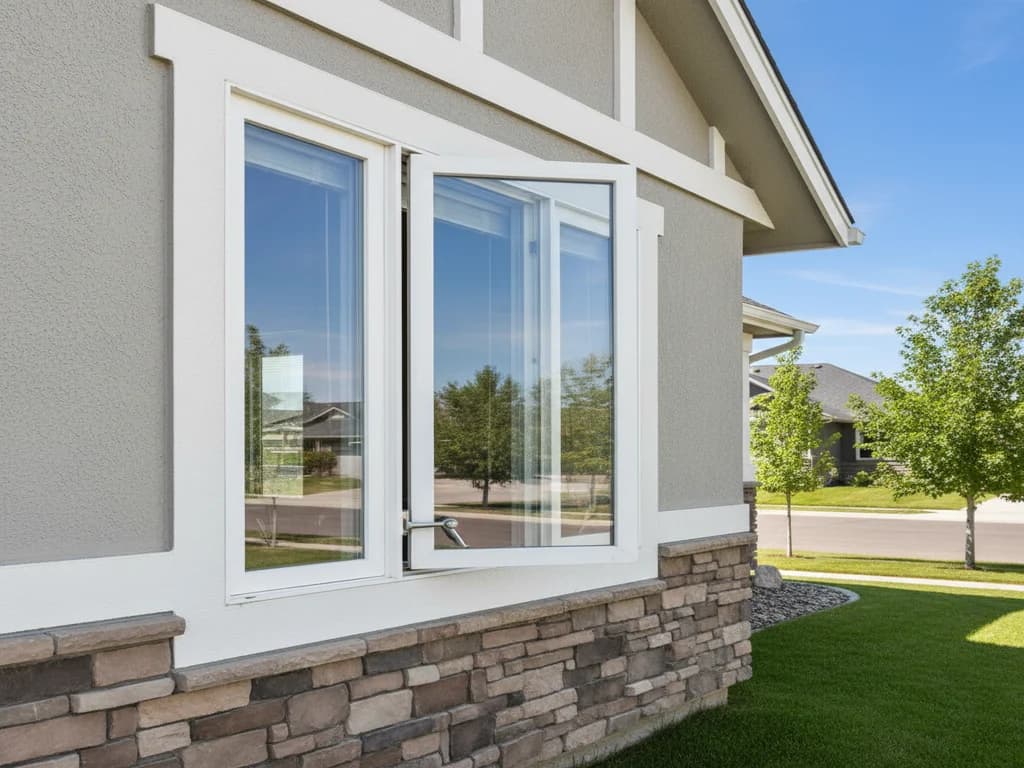
Casement windows hinge on the side and crank outward like a door, which gives them the tightest seal of any common operating window. When a casement closes, its sash presses against the frame's weatherstripping all the way around, so on the cold, windy Treasure Valley days when a double-hung can still leak a little air, a casement stays sealed.
We install casements in vinyl, fiberglass, and composite frames with insulated low-E glass tuned to Idaho's climate. The outward crank catches a breeze and scoops it into the room, making them excellent for ventilation, and because there's no center rail in a single casement, the glass area and the view are uninterrupted — a real advantage on a wall that frames the foothills.
That airtight seal is why casements post some of the best U-factor and air-infiltration numbers available, which translates directly into fewer winter drafts and lower heating load. On exposed elevations that take the brunt of our wind and cold, the performance gap over a sliding window is genuinely noticeable.
Casements aren't ideal everywhere — they open into walkways or patios, the crank hardware is one more thing that can wear, and very wide openings are better split into multiple units. We'll point out where a casement is the smart, high-performance choice and where it isn't worth it over a double-hung or slider.
What's included
- Crank-out operation
- Tight compression seal
- Over-sink & hard-to-reach locations
- Energy-efficient glass
- Vinyl & fiberglass frames
Our process
How we handle casement windows
- 01
On-site measure & assessment
We measure each opening, check the frame and wall for rot or moisture, confirm swing clearance, and set frame material and glass package before quoting.
- 02
Glass & frame selection
We match U-factor and SHGC to each elevation and explain the trade-offs between vinyl, fiberglass, and composite frames so the choice is informed.
- 03
Remove old units & inspect
Old windows come out and we inspect the rough opening, addressing any rot or water damage before the new casement is set.
- 04
Set, flash & insulate
Each casement is set level and square, flashed and air-sealed to the weather barrier, and insulated so its tight rated performance is actually achieved.
- 05
Hardware, trim & walkthrough
We finish trim, seal joints, adjust the crank and locking hardware for a full compression seal, and walk the job with you before closeout.
In the Treasure Valley
Built for local homes & weather
Casements' airtight compression seal is a real advantage on the wind-exposed and cold elevations common around the valley's open subdivisions and foothill lots, where sliding windows are more prone to air infiltration on a gusty winter day. Their crank-out ventilation also catches a cross-breeze well on Idaho's pleasant evenings.
On HOA properties, casement grid patterns, frame color, and trim may fall under architectural review. We help you choose units that satisfy the committee and assemble the submittal.
Window replacements are subject to current energy-code U-factor and SHGC minimums, and casements often help meet them easily. We coordinate any permit so the work is inspected and documented.
Casement Windows FAQs
Why are casements considered the most energy-efficient operating window?
Because the sash compresses against weatherstripping all the way around when it closes, a casement seals tighter than windows that slide past each other. That gives it among the best air-infiltration and U-factor numbers available — a real benefit on the valley's cold, windy elevations.
What's the downside of casement windows?
They crank outward, so they don't work where the sash would open into a walkway, patio, or deck path, and the crank-and-hinge hardware is one more mechanism that can eventually wear. Very wide openings are also better handled as multiple units. We'll flag where those matter.
Are casements good for ventilation?
Very — the sash swings out into the airflow and can scoop a breeze into the room, often moving more air than a comparable double-hung or slider. That makes them a strong choice for rooms where you want maximum natural ventilation on mild Idaho evenings.
Can I get an unobstructed view with a casement?
Yes. A single casement has no center rail, so the glass is one uninterrupted pane — ideal on a wall that frames the foothills or a backyard. For wider openings we combine units, and we'll lay out the configuration so the view stays as open as possible.
What drives the cost?
Number and size of openings, frame material, the glass package, the crank hardware, any rough-opening repair found when the old units come out, and access on upper floors. We quote after measuring on site.
Why are casement windows good for egress?
A casement cranks fully open on a side hinge, so almost the entire opening becomes clear space. That lets a smaller casement meet the IRC minimum clear width, height, and area more easily than a double-hung or slider, which is why they're a common choice for basement bedrooms. We size the unit to the code adopted on your specific project.
Do casement windows seal better than sliding windows?
Generally yes. When you crank a casement shut, the sash compresses against the frame seal all the way around, which makes for a tight closure with low air leakage. Sliders and double-hungs rely on brush seals that the sash glides past, so they can let in a little more air. That tight seal helps casements perform well in our cold winters.
What are the downsides of casement windows?
The crank operator and hinges are moving hardware that can wear, so they need occasional cleaning and lubrication. Casements also swing outward, so they aren't ideal where the sash would open over a walkway, patio, or near where you'd want a window AC unit. Very wide openings are usually better served by a slider or a pair of casements.
What drives the price of casement windows?
Frame material (vinyl versus fiberglass), the glass package, and the size and number of openings are the main factors, plus the operator hardware adds a little versus a fixed window. Full-frame versus insert and access to the opening also matter. We price your actual openings during a free on-site estimate, no per-window guesses.
How do I maintain casement window hardware?
Wipe the hinge track clean and add a light lubricant to the operator and hinges once or twice a year so the crank stays smooth, and check that the sash still pulls in tight against the seal. If a crank feels gritty or the sash won't lock flush, the operator may need service before the seal wears. These are simple steps that extend the life of the unit.
Other windows types we install
Explore the rest of our windows materials and services across the Treasure Valley.
Materials
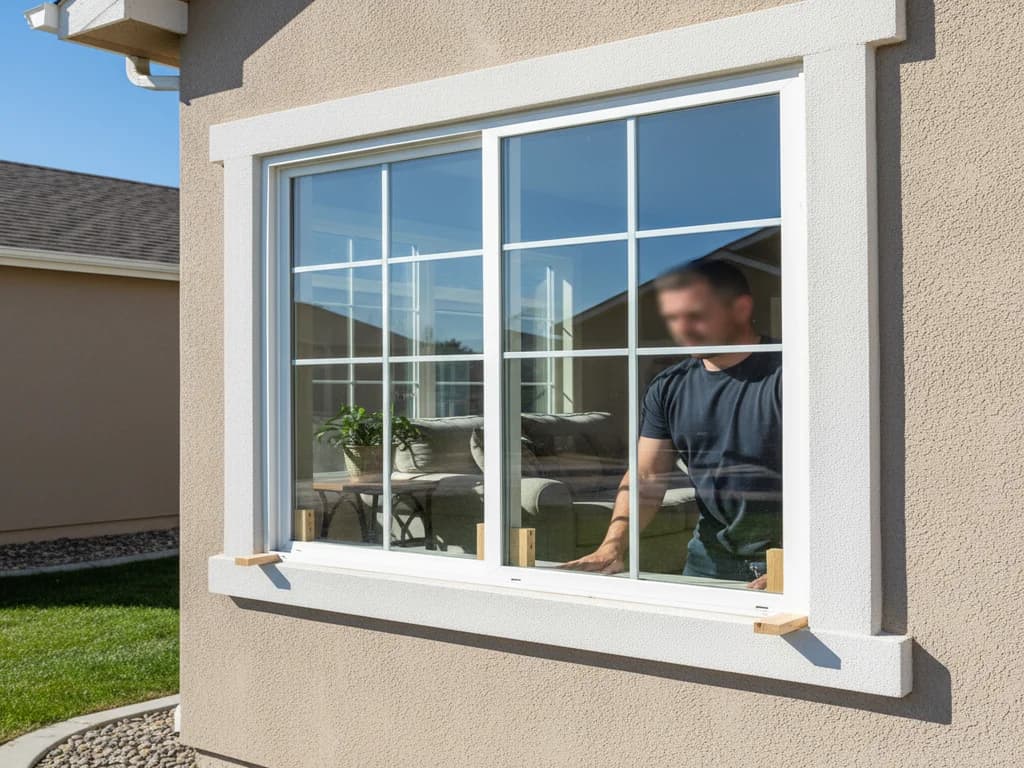
Double-Hung Windows
Classic double-hung replacement windows — both sashes operate, easy to clean, fit nearly any home style.
Learn more →Slider Windows
Horizontal slider windows — smooth operation, wide views, a fit for modern and ranch homes.
Learn more →Picture Windows
Fixed picture windows for big, unobstructed views and maximum daylight with top energy performance.
Learn more →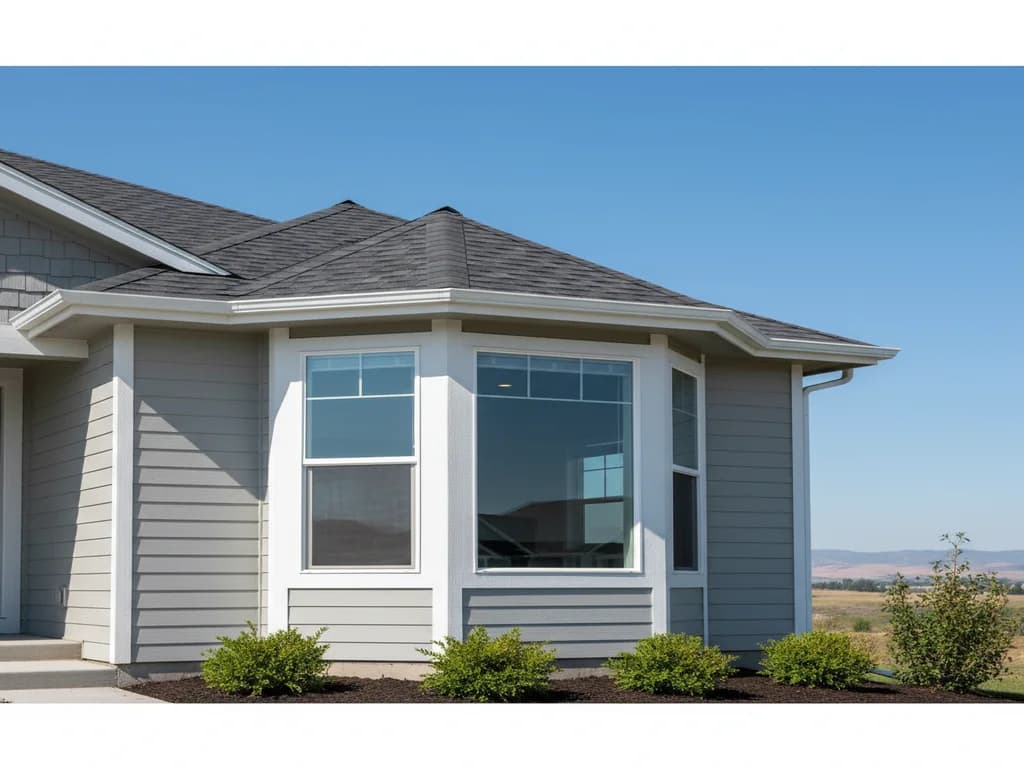
Bay & Bow Windows
Bay and bow windows that add space, light, and architectural character to a room.
Learn more →Vinyl Windows
Low-maintenance vinyl windows with strong energy performance at a budget-friendly price.
Learn more →Fiberglass Windows
Strong, stable fiberglass windows that handle Idaho temperature swings with minimal expansion.
Learn more →Brands We Install
Milgard® Windows
Installation and replacement of Milgard® vinyl and fiberglass windows across the Treasure Valley.
Learn more →Andersen® Windows
Installation and replacement of Andersen® windows — composite, wood, and vinyl lines.
Learn more →Marvin® Windows
Installation and replacement of Marvin® windows — fiberglass and wood-clad lines for premium builds.
Learn more →Pella® Windows
Installation and replacement of Pella® windows — wood, fiberglass, and vinyl lines.
Learn more →Repair & Specialty
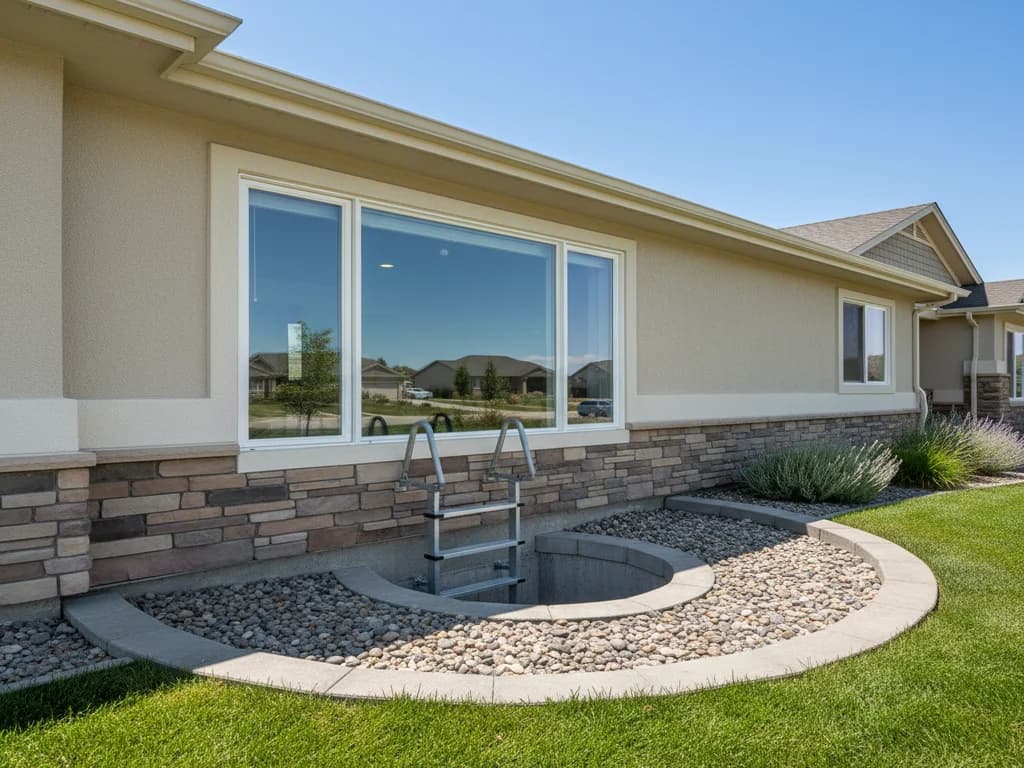
Egress Windows
Code-compliant egress windows for basements and bedrooms — safe exits and more daylight below grade.
Learn more →Energy-Efficient Windows
Low-E, multi-pane windows that cut drafts and tame Treasure Valley heating and cooling bills.
Learn more →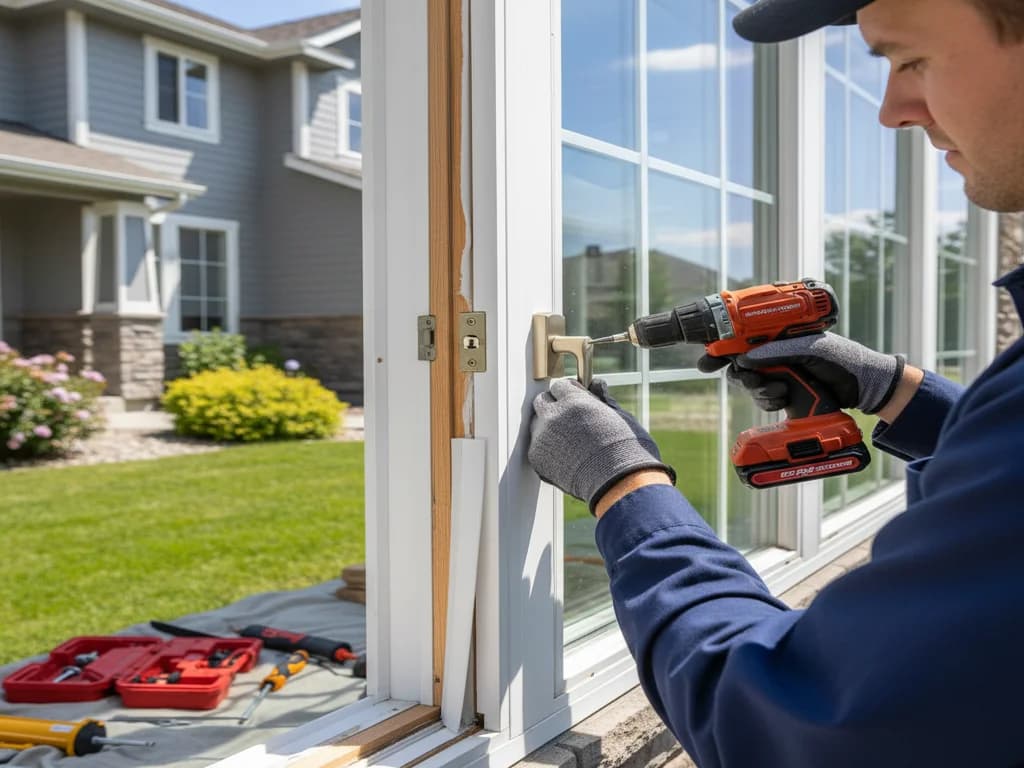
Window Repair
Fogged glass, failed seals, broken hardware, and drafty windows repaired — or replaced if it's smarter.
Learn more →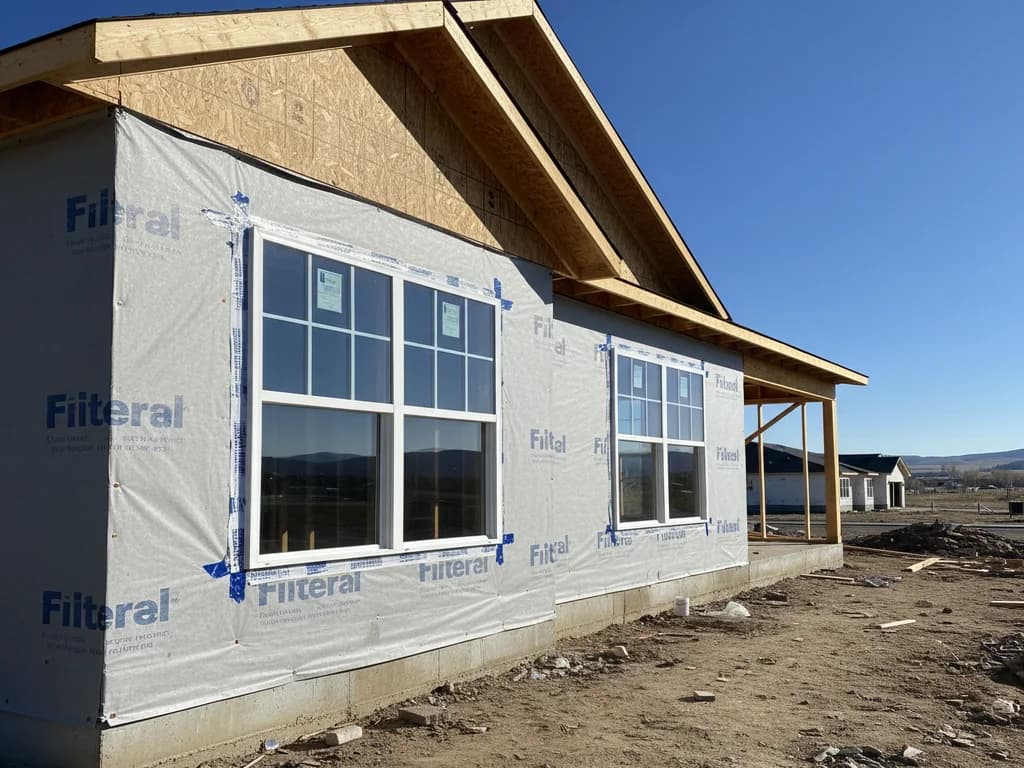
Helpful guides
Plain, local guidance to research casement windows before you commit.
Sources & references
How we back what we say
Our recommendations follow building code, manufacturer specifications, and federal efficiency standards — not sales scripts. These are the primary sources behind the guidance on this page.
- ENERGY STAR Windows, Doors & SkylightsU.S. EPA / ENERGY STAR
Federal efficiency criteria and the climate-zone requirements that determine which windows qualify in Idaho's Northern climate zone.
- Energy-Efficient WindowsU.S. Department of Energy
How U-factor, SHGC, glazing, gas fills, and frame materials affect comfort and energy bills.
- Window Energy Performance RatingsNational Fenestration Rating Council (NFRC)
The independent rating system behind the U-factor and SHGC numbers on every window's NFRC label.
- Renovation, Repair and Painting (RRP) RuleU.S. Environmental Protection Agency
Federal lead-safe work practices required when disturbing painted surfaces on homes built before 1978 — relevant to siding tear-offs and window/door replacement on older Treasure Valley homes.
- Idaho Contractor RegistrationIdaho Division of Building Safety
Idaho's contractor registration program (RCE numbers). You can verify any Idaho contractor's registration status here.
- International Residential Code (IRC)International Code Council
The model residential building code Idaho jurisdictions adopt — governs weather-resistive barriers, flashing, fastening, and egress that exterior work must meet.
- Energy Saver: WeatherizeU.S. Department of Energy
DOE guidance on air sealing and the building envelope — the principles behind proper flashing, weather barriers, and sealing.
Need casement windows done right?
Tell us about your siding, window, or door project — we'll come take a look and give you a straight, free estimate.