Treasure Valley Windows
New Construction Windows in the Treasure Valley
New-construction window installation
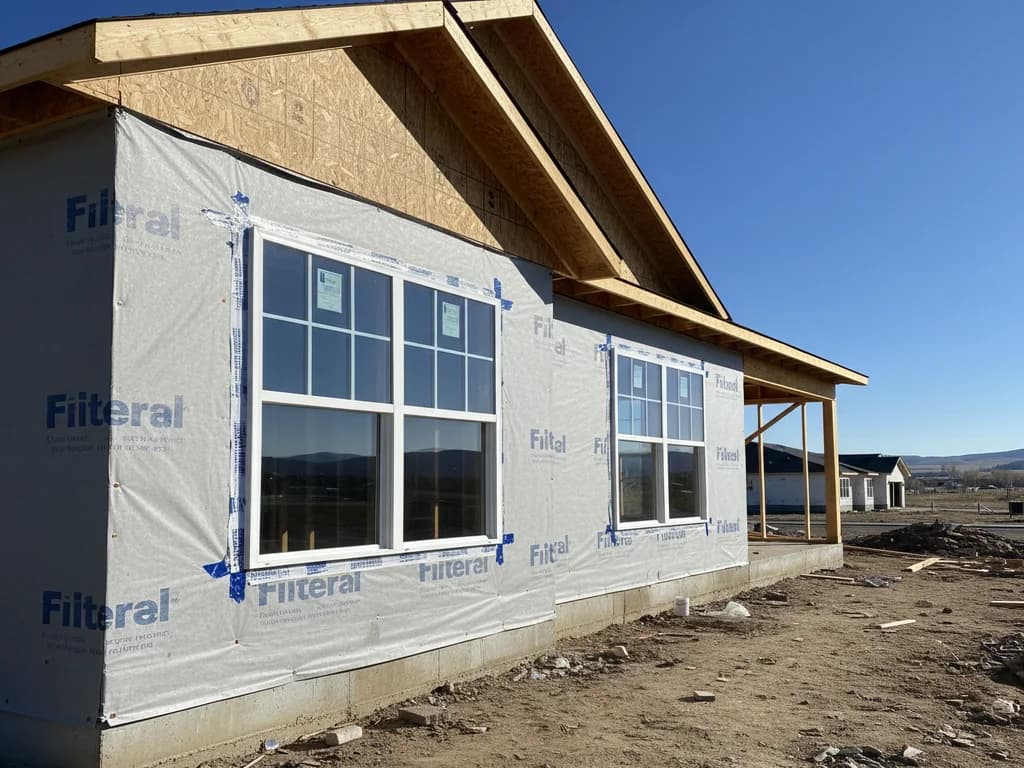
New-construction windows are designed to be installed into an open, unfinished wall — they have a nailing fin that fastens directly to the sheathing and integrates with the weather barrier, which makes them the correct choice for new homes, additions, and any project where the wall is opened to the framing. It's a different unit and a different install from a replacement window that slots into an existing frame.
We install new-construction windows on additions, rebuilds, and openings taken back to the studs, working from the framing out — setting the unit by its fin, integrating it with the flashing and weather-resistive barrier, and air-sealing and insulating before the wall is closed up. Because we're starting from an open wall, the result is a fully integrated, weather-tight opening rather than a unit wedged into an old frame.
Starting from the framing is the advantage. The flashing laps correctly over the fin and into the weather barrier, the rough opening can be sized right, and the air-sealing and insulation are done before drywall — all the things that are compromised or impossible when you're working around existing finishes. Done in sequence, it's the highest-performing way to install a window.
These windows belong in new walls, not as a swap into an existing finished opening — for that, a replacement (insert) window is the right product. We'll confirm which your project actually needs so the unit, the install, and the weatherproofing match the situation.
What's included
- Builder & GC partnership
- Plan-spec window packages
- Nail-fin new-construction units
- Flashing & air sealing to code
- Schedule-driven crews
Our process
How we handle new construction windows
- 01
Coordinate with framing
We confirm rough-opening sizes against the window schedule and coordinate timing so the openings are framed correctly and ready for the units.
- 02
Window & glass selection
We match frame material, operating style, and a low-E glass package to each elevation's U-factor and SHGC needs before ordering.
- 03
Set by the fin & flash
Each unit is set level, square, and plumb and fastened by its nailing fin, then flashed so the laps shed water out over the fin and into the weather barrier.
- 04
Integrate barrier, air-seal & insulate
We integrate the weather-resistive barrier over the flashing and air-seal and insulate the rough opening before the wall is closed — the sequence a replacement can't match.
- 05
Trim, finish & walkthrough
Once the wall is finished, we set interior and exterior trim, test operation, and walk the completed openings with you.
In the Treasure Valley
Built for local homes & weather
New-construction installs are where Idaho weatherproofing is done right — with the wall open, the flashing laps correctly over the fin and into the weather barrier, and the rough opening is air-sealed and insulated before drywall, so the window performs through our freeze-thaw winters instead of leaking air around a frame wedged into an old hole.
On HOA properties and in new subdivisions, the window schedule, grid patterns, and frame colors are typically set by the approved plans and architectural review. We install to the schedule and help confirm the units match what was approved.
New construction and additions are permitted and inspected work, and the window installation is part of the framing, weather-barrier, and energy-code inspections. We coordinate so the openings are installed and documented to pass.
New Construction Windows FAQs
What's the difference between new-construction and replacement windows?
A new-construction window has a nailing fin that fastens to the sheathing and integrates with the weather barrier — it's for open, unfinished walls. A replacement (insert) window slots into an existing frame without disturbing the surrounding finishes. They're different units for different situations, and we'll confirm which your project needs.
When do I need new-construction windows?
On new homes, additions, and any opening taken back to the framing — anywhere the wall is open to the studs. If you're swapping a window into an existing finished opening without opening the wall, a replacement window is the right product instead.
Why is the install better from an open wall?
Because the flashing can lap correctly over the fin and into the weather barrier, the rough opening can be sized right, and the air-sealing and insulation are done before drywall — all the steps that are compromised or impossible when working around existing finishes. Done in sequence, it's the highest-performing way to install a window.
Do you size the rough openings?
We confirm rough-opening sizes against the window schedule and coordinate with the framing so each opening is correct before the units arrive. Getting the rough opening right is what lets the window sit square and the flashing lap properly.
What drives the cost?
Number and size of openings, frame material, operating styles, the glass package, and the coordination and flashing the open-wall install involves. Window cost is one line within a larger new-construction or addition budget. We quote against the plans and the window schedule.
What's the difference between new-construction and replacement windows?
New-construction windows have an integral nailing fin that fastens to the framing and tucks under the siding and house wrap, so they're used when the wall is open or the siding is off. Replacement (insert) windows have no fin and drop into an existing frame with the siding intact. The right one depends on whether we're working in an open wall or an existing opening.
When do I need new-construction windows instead of inserts?
You need the nailing-fin new-construction style when the framing is exposed, such as on an addition, a new opening, or a project where the siding is being removed or replaced. They let us flash the opening fully for weather resistance. If the existing frame and siding are staying and the frame is sound, an insert replacement is the cleaner route.
Are new-construction windows more weathertight than inserts?
When installed in an open wall, the nailing fin lets us integrate the window with the house wrap and flashing for a continuous water barrier, which is a thorough weather seal. Insert replacements rely on sealing into the existing frame, which is reliable when that frame is sound. The best method depends on the condition of your wall and opening.
Can new-construction windows be installed without removing siding?
Generally no, because the nailing fin has to attach to the framing and sit behind the siding and house wrap, so the siding around the opening must be off. If you want to keep your siding in place, an insert replacement is the right product. We'll recommend the approach that fits your project scope and budget.
Do new-construction window installations require permits?
Often yes, particularly when you're changing an opening size, adding a new window, or doing the work as part of an addition, since that involves framing and code review. Like-for-like replacements may not always require a permit, but rules vary by jurisdiction in the Treasure Valley. We help confirm what your local building department requires for the work.
Other windows types we install
Explore the rest of our windows materials and services across the Treasure Valley.
Materials
Double-Hung Windows
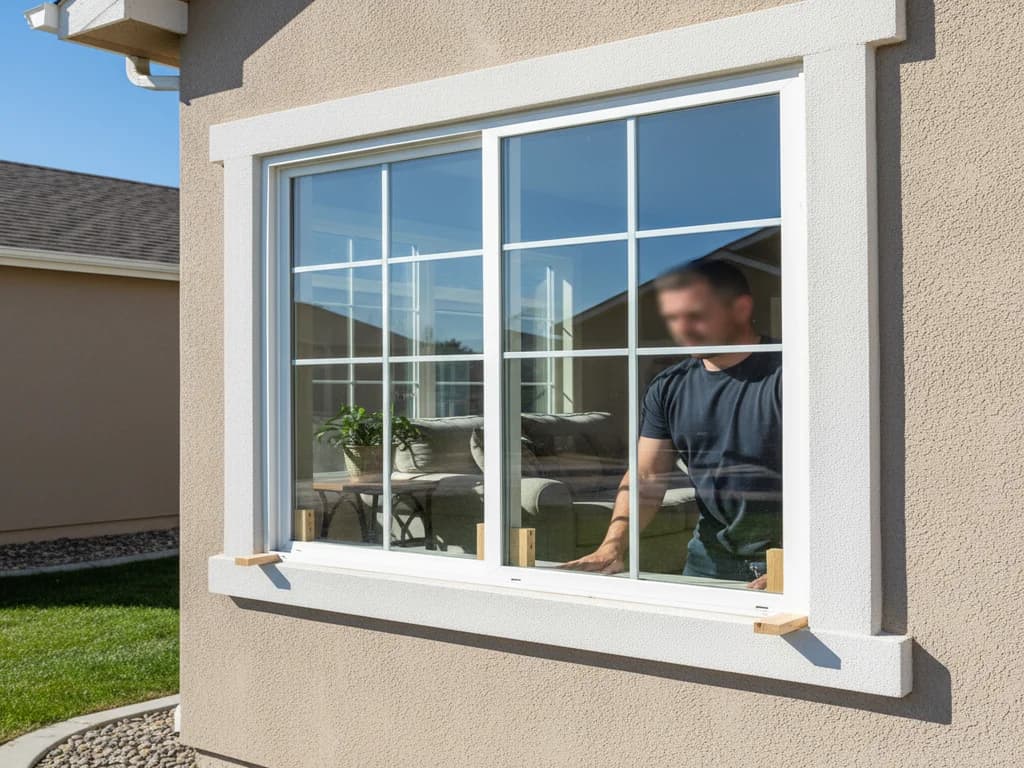
Classic double-hung replacement windows — both sashes operate, easy to clean, fit nearly any home style.
Learn more →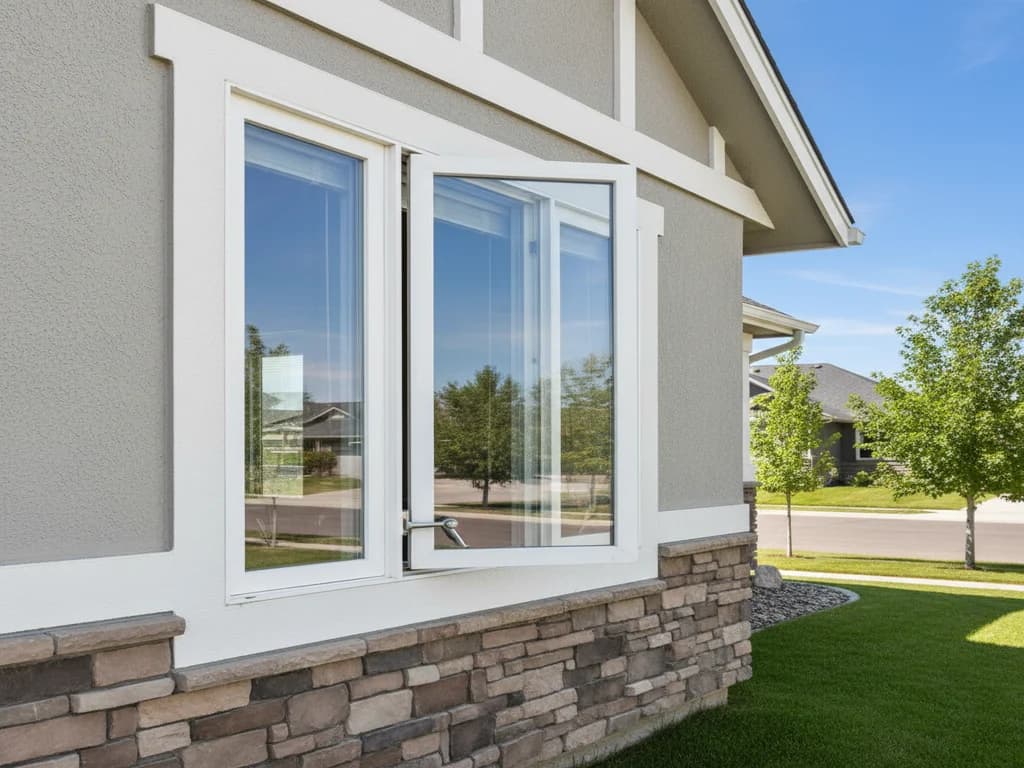
Casement Windows
Crank-out casement windows that seal tight and catch a breeze — great for hard-to-reach spots.
Learn more →Slider Windows
Horizontal slider windows — smooth operation, wide views, a fit for modern and ranch homes.
Learn more →Picture Windows
Fixed picture windows for big, unobstructed views and maximum daylight with top energy performance.
Learn more →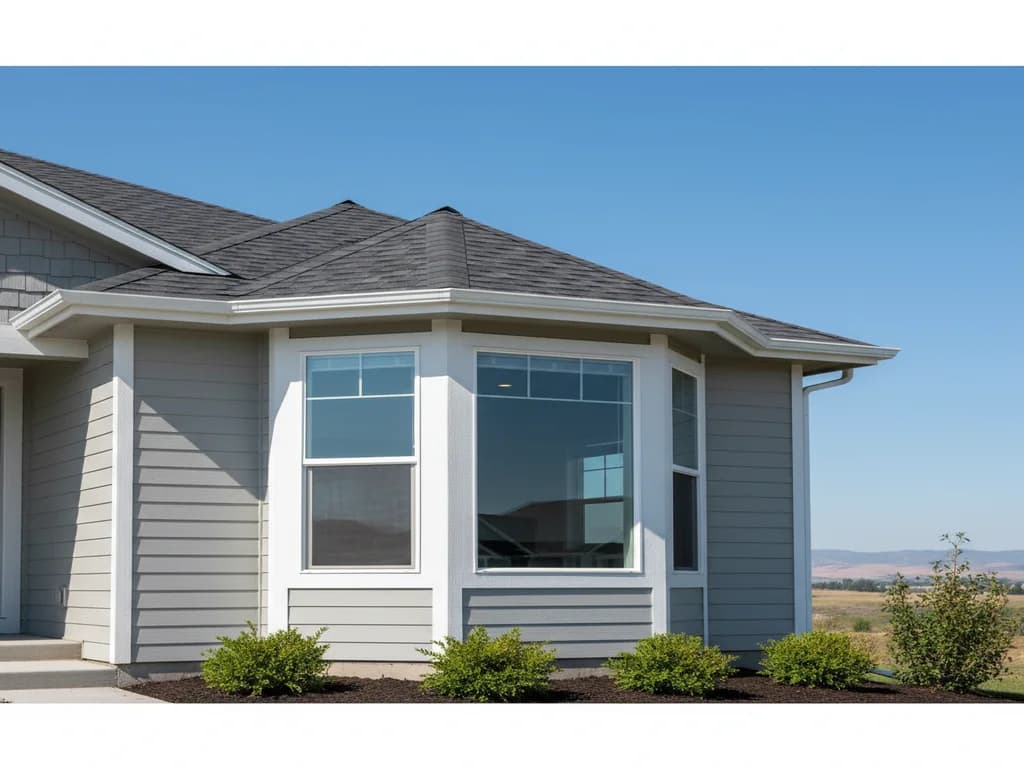
Bay & Bow Windows
Bay and bow windows that add space, light, and architectural character to a room.
Learn more →Vinyl Windows
Low-maintenance vinyl windows with strong energy performance at a budget-friendly price.
Learn more →Fiberglass Windows
Strong, stable fiberglass windows that handle Idaho temperature swings with minimal expansion.
Learn more →Brands We Install
Milgard® Windows
Installation and replacement of Milgard® vinyl and fiberglass windows across the Treasure Valley.
Learn more →Andersen® Windows
Installation and replacement of Andersen® windows — composite, wood, and vinyl lines.
Learn more →Marvin® Windows
Installation and replacement of Marvin® windows — fiberglass and wood-clad lines for premium builds.
Learn more →Pella® Windows
Installation and replacement of Pella® windows — wood, fiberglass, and vinyl lines.
Learn more →Repair & Specialty
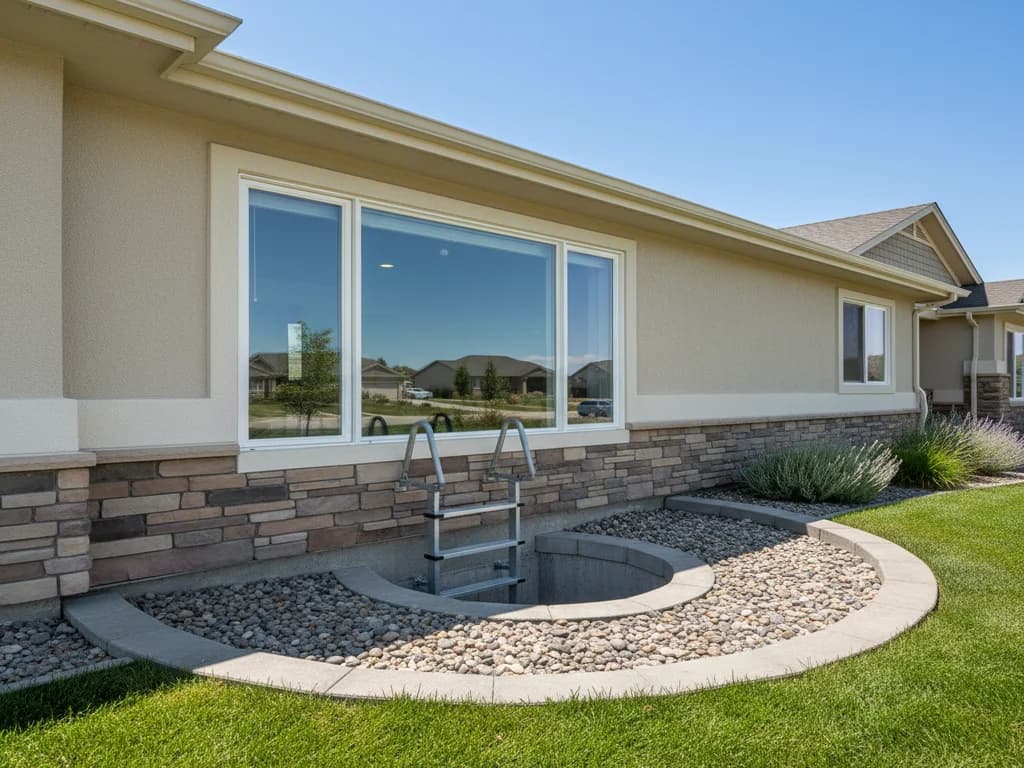
Egress Windows
Code-compliant egress windows for basements and bedrooms — safe exits and more daylight below grade.
Learn more →Energy-Efficient Windows
Low-E, multi-pane windows that cut drafts and tame Treasure Valley heating and cooling bills.
Learn more →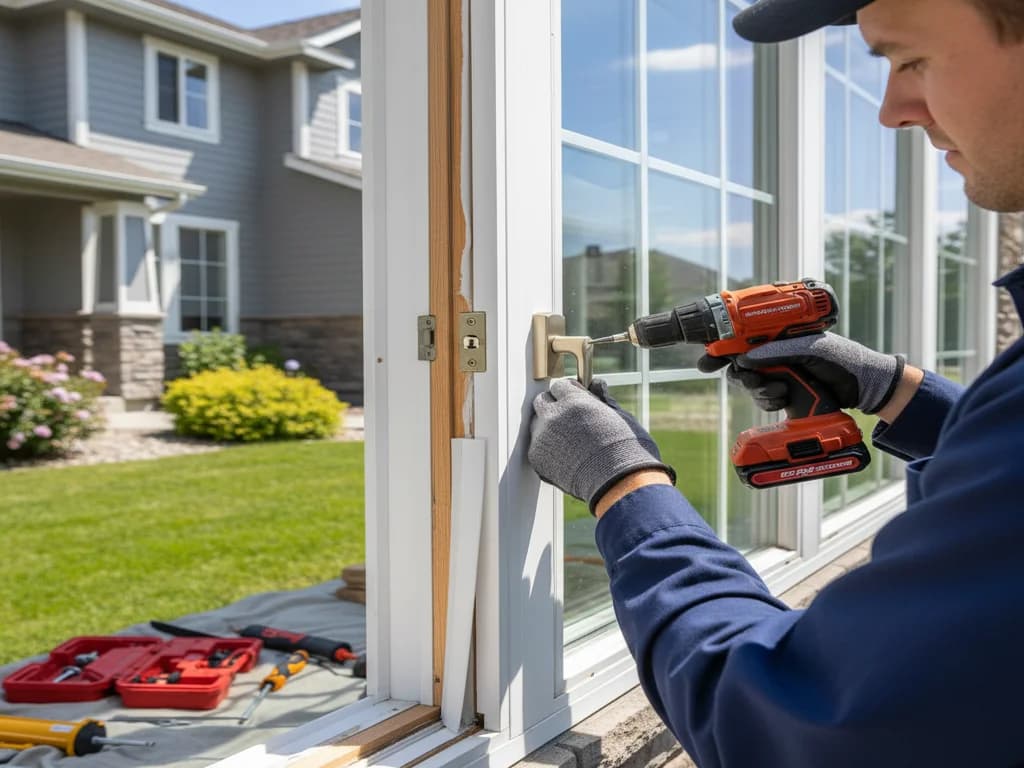
Window Repair
Fogged glass, failed seals, broken hardware, and drafty windows repaired — or replaced if it's smarter.
Learn more →Sources & references
How we back what we say
Our recommendations follow building code, manufacturer specifications, and federal efficiency standards — not sales scripts. These are the primary sources behind the guidance on this page.
- ENERGY STAR Windows, Doors & SkylightsU.S. EPA / ENERGY STAR
Federal efficiency criteria and the climate-zone requirements that determine which windows qualify in Idaho's Northern climate zone.
- Energy-Efficient WindowsU.S. Department of Energy
How U-factor, SHGC, glazing, gas fills, and frame materials affect comfort and energy bills.
- Window Energy Performance RatingsNational Fenestration Rating Council (NFRC)
The independent rating system behind the U-factor and SHGC numbers on every window's NFRC label.
- Renovation, Repair and Painting (RRP) RuleU.S. Environmental Protection Agency
Federal lead-safe work practices required when disturbing painted surfaces on homes built before 1978 — relevant to siding tear-offs and window/door replacement on older Treasure Valley homes.
- Idaho Contractor RegistrationIdaho Division of Building Safety
Idaho's contractor registration program (RCE numbers). You can verify any Idaho contractor's registration status here.
- International Residential Code (IRC)International Code Council
The model residential building code Idaho jurisdictions adopt — governs weather-resistive barriers, flashing, fastening, and egress that exterior work must meet.
- Energy Saver: WeatherizeU.S. Department of Energy
DOE guidance on air sealing and the building envelope — the principles behind proper flashing, weather barriers, and sealing.
Need new construction windows done right?
Tell us about your siding, window, or door project — we'll come take a look and give you a straight, free estimate.