Treasure Valley Doors
Patio Doors in the Treasure Valley
Patio doors that open up the back of the house
A patio door is where the back of the house opens to the yard, the deck, or the patio — and a good one transforms how a home lives, flooding the room with light and making indoor-outdoor flow effortless. A bad one is a chronic problem: a sticking slider, a foggy double-pane, a draft you feel from the couch, or a flimsy latch that worries you when you're away. Replacing a tired patio door is one of the most noticeable upgrades you can make.
We install both major styles — sliding glass patio doors that glide along a track and save space, and hinged French patio doors that swing open for a wide, classic opening. The right one depends on how much room you have to swing a door, the look you want, and how the space is used. We help you weigh the trade-offs rather than assuming.
Whatever the style, the glass and the seal do the heavy lifting in our climate. We install energy-efficient insulated glass packages that cut summer heat gain and winter loss, and we flash and seal the sill and jambs carefully — a patio door sits low and wide, so water management at the threshold is critical. Secure multi-point or solid locking hardware and screen options round out the package.
The result is a patio door that slides or swings smoothly, locks securely, keeps the room comfortable, and keeps the weather outside where it belongs.
What's included
- Sliding & French patio options
- Energy-efficient glass
- Smooth operation & secure locking
- Proper flashing & sealing
- Screen options
Our process
How we handle patio doors
- 01
Measure & assess
We measure the opening, check the framing, sill, and threshold for rot or water damage, and confirm style and glass before quoting.
- 02
Style & glass selection
We lay out sliding versus French, glass packages, and screen and hardware options so the right configuration is clear before ordering.
- 03
Removal & opening prep
The old door comes out and we inspect and repair the sill, subfloor, and framing — patio doors are prone to hidden water damage at the threshold.
- 04
Set, level & flash
The door is set level and square, shimmed, and the sill is flashed and sealed thoroughly so water drains out and away rather than into the floor.
- 05
Hardware, lock & adjust
We install and adjust the rollers or hinges, the locking hardware, and the screen so the door operates smoothly and locks securely.
- 06
Seal & walkthrough
We seal the perimeter, clean up, and walk the operation, lock, and screen with you before closing out.
In the Treasure Valley
Built for local homes & weather
Patio doors are big glass openings, so the glass package matters a lot here — a west-facing slider can pour summer heat into a room without a low-SHGC, low-E package, and the same door loses heat fast on a January night without good insulating glass.
Because patio doors sit low and wide, the threshold is the most common spot we find hidden water damage when removing an old unit. We always open and inspect the sill and subfloor and repair it before setting the new door.
Patio Doors FAQs
Should I get a sliding or French patio door?
Sliding doors save space because they don't swing into the room, glide easily, and suit big-view modern openings; French doors swing open for a wider, more classic opening and a traditional look but need clearance to swing. We'll match the choice to your room, clearance, and style.
Will a new patio door make the room more comfortable?
Yes. A modern insulating glass package cuts the summer heat gain and winter heat loss that make rooms near old patio doors uncomfortable, and a tight new seal stops the drafts. It's one of the more noticeable comfort upgrades on the back of a house.
My old slider sticks and is hard to move — can that be fixed?
Often a sticking slider is a worn roller or a dirty, damaged track, which can sometimes be repaired. If the door is also fogged, drafty, or insecure, replacement usually makes more sense than repeated repairs. We'll tell you honestly which your door is.
Are patio doors secure?
Modern patio doors offer secure multi-point and reinforced locking hardware, and sliders can include anti-lift and secondary locks. We install the security hardware and make sure it engages properly so the door is genuinely secure, not just latched.
What drives the cost?
Size, sliding versus French, the glass package, hardware and security options, screens, and any sill or subfloor repair found on removal. Threshold water damage, when present, adds to it. We quote after measuring and inspecting the opening.
What's the difference between sliding and French patio doors?
Sliding patio doors glide on a track and take no floor space to operate, which suits tight rooms and decks. French patio doors swing on hinges and give a wider clear opening and a more traditional look, but they need room to swing. Sliders generally seal along a track, while hinged French units seal around the perimeter; both can perform well when properly installed.
Are patio doors energy efficient enough for Idaho winters?
Modern patio doors with insulated glass and good weatherstripping perform well in the Northern climate zone, and you can look for ENERGY STAR-qualified units for the cold months. Because patio doors are mostly glass, the glass package and a tight installation matter more here than on a solid entry door. Low-E coatings help manage both winter heat loss and summer solar gain.
How secure are patio doors against break-ins?
A quality patio door uses a multi-point or hook-style lock and tempered or laminated glass to resist forced entry far better than older single-latch sliders. On sliding units, anti-lift features keep the panel from being popped off the track. Choosing laminated glass and a robust locking system is the main way to improve security on a glass door.
What drives the cost of a patio door installation?
Size, the number of panels, the glass package (Low-E, laminated, grids), and the frame material all affect price, as does whether the opening needs reframing or a new header. Sliding and hinged styles differ in cost depending on configuration. The condition of the existing opening and any rot repair also factor in, so we quote each one on-site.
How long does it take to replace a patio door?
A direct replacement into a sound, correctly sized opening is often a one-day job. Resizing the opening, repairing rot, or upgrading to a larger multi-panel unit adds time because of the framing work involved. We confirm the scope and any structural needs at the estimate.
Other doors types we install
Explore the rest of our doors materials and services across the Treasure Valley.
Materials
Entry Doors
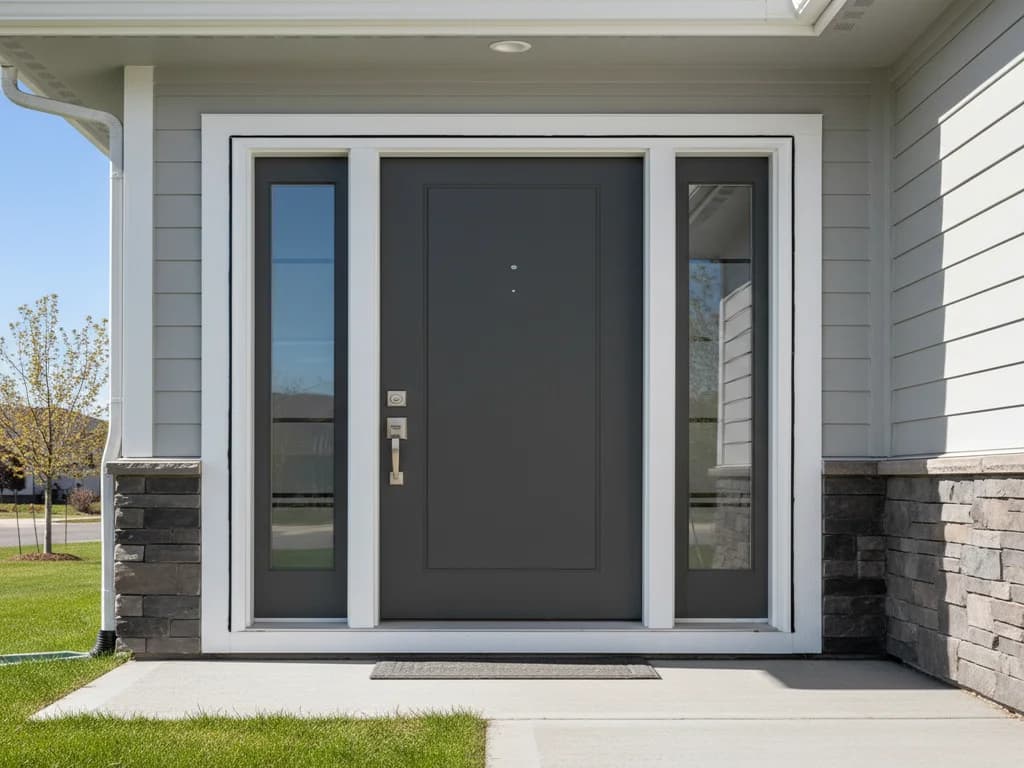
Front entry doors that seal tight, secure the home, and set the curb appeal — fiberglass, steel, or wood.
Learn more →Fiberglass Entry Doors
Low-maintenance fiberglass entry doors that resist dents, won't rot or warp, and mimic real wood grain.
Learn more →Steel Entry Doors
Tough, budget-friendly steel entry doors — strong security and solid energy value.
Learn more →Wood Entry Doors
Solid and stain-grade wood entry doors for classic, high-end curb appeal.
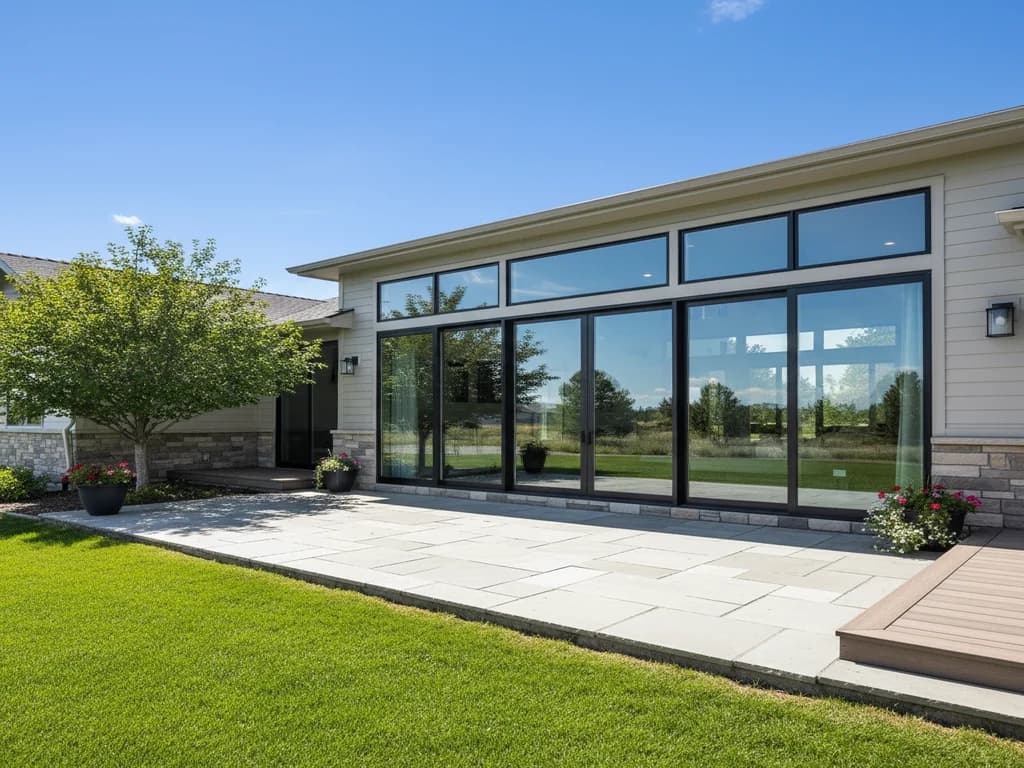
Learn more →Sliding Patio Doors
Space-saving sliding glass patio doors with big views and smooth, secure operation.
Learn more →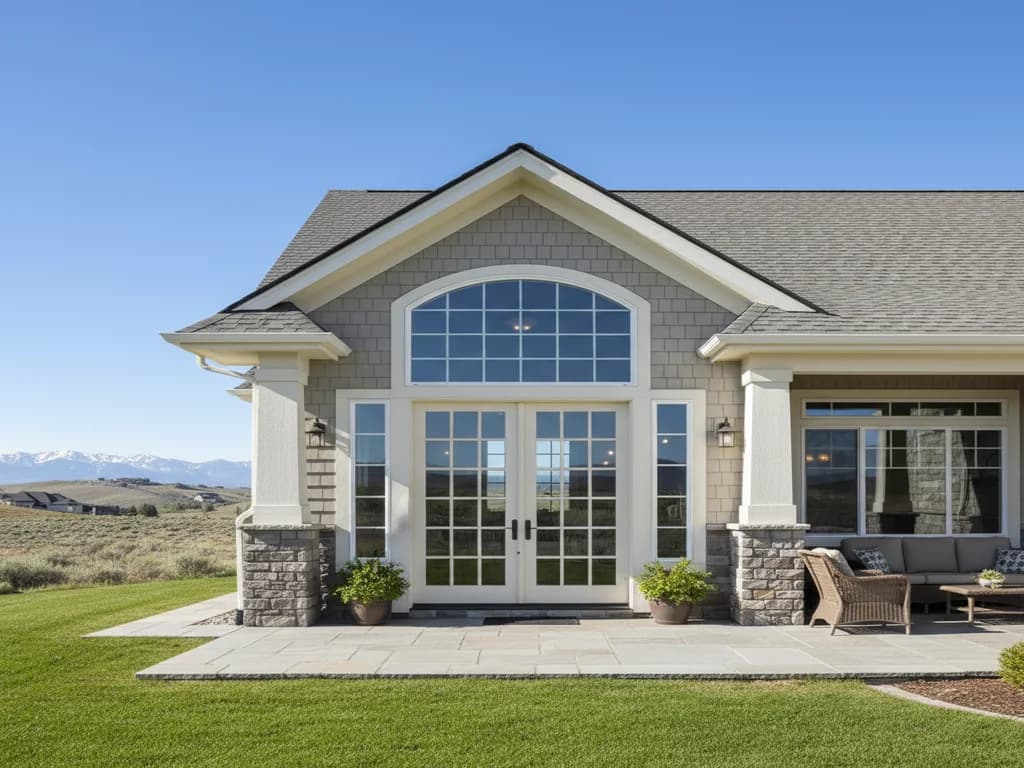
French Doors
Hinged French doors — interior or exterior — for a classic, wide-open connection between spaces.
Learn more →Brands We Install
Therma-Tru® Doors
Installation of Therma-Tru® fiberglass and steel entry door systems across the Treasure Valley.
Learn more →ProVia® Doors
Installation of ProVia® entry, storm, and security doors — known for fit and finish.
Learn more →Pella® Doors
Installation of Pella® entry and patio doors — wood, fiberglass, and vinyl lines.
Learn more →Masonite® Doors
Installation of Masonite® exterior door lines — fiberglass and steel entry options.
Learn more →Repair & Specialty
Storm Doors
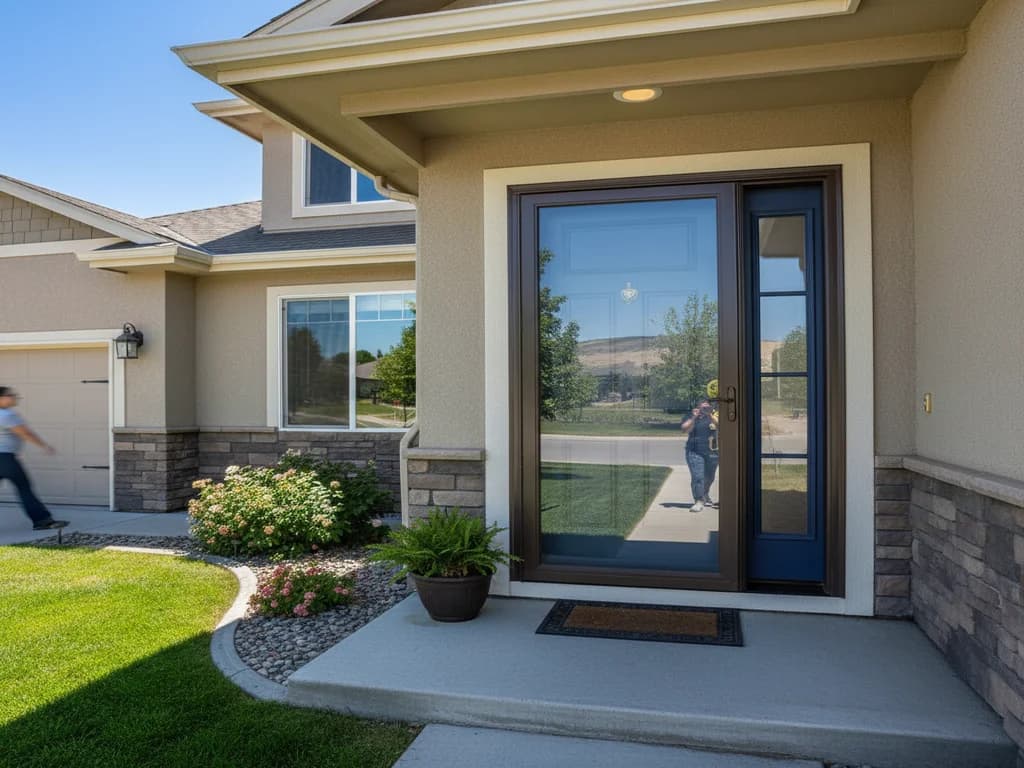
Storm doors that add a weather and energy buffer while protecting your entry door year-round.
Learn more →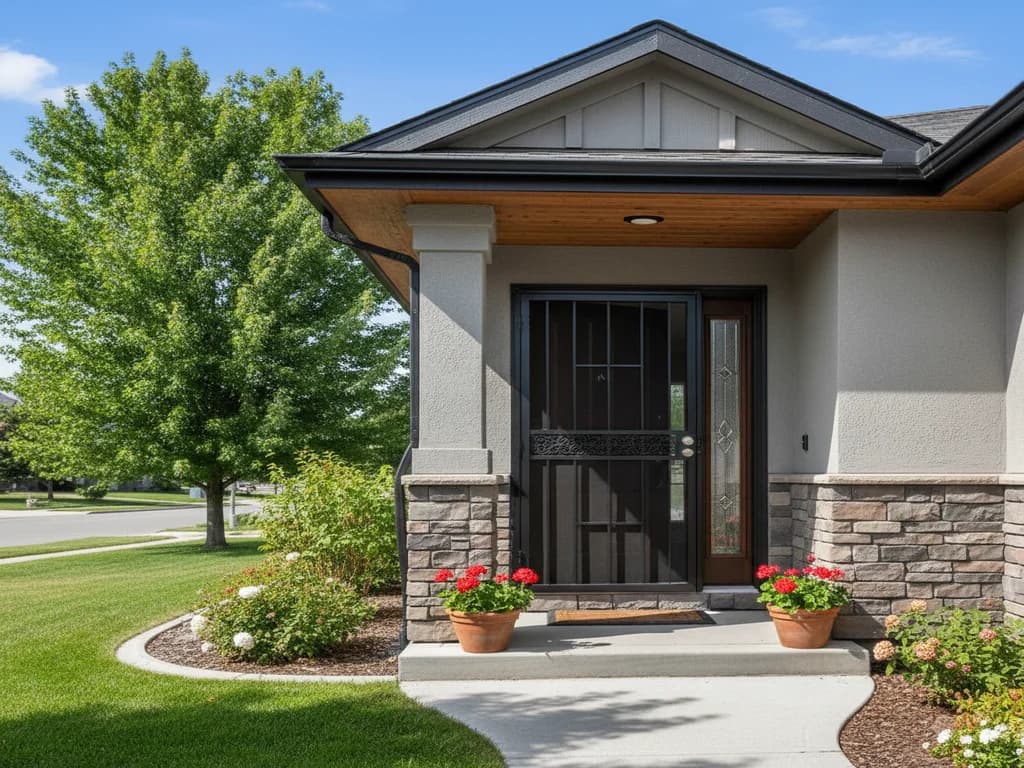
Security Doors
Security and storm-security doors that harden the entry without sacrificing curb appeal.
Learn more →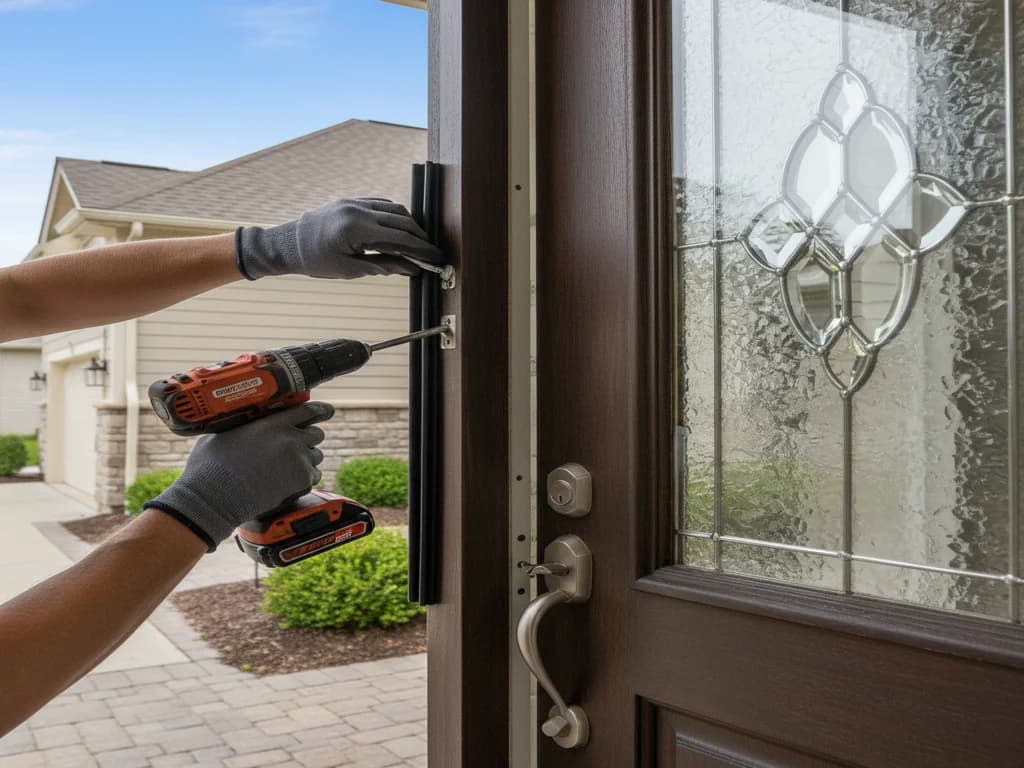
Door Repair
Drafty, sticking, or damaged exterior doors repaired — weatherstripping, hardware, alignment, and glass.
Learn more →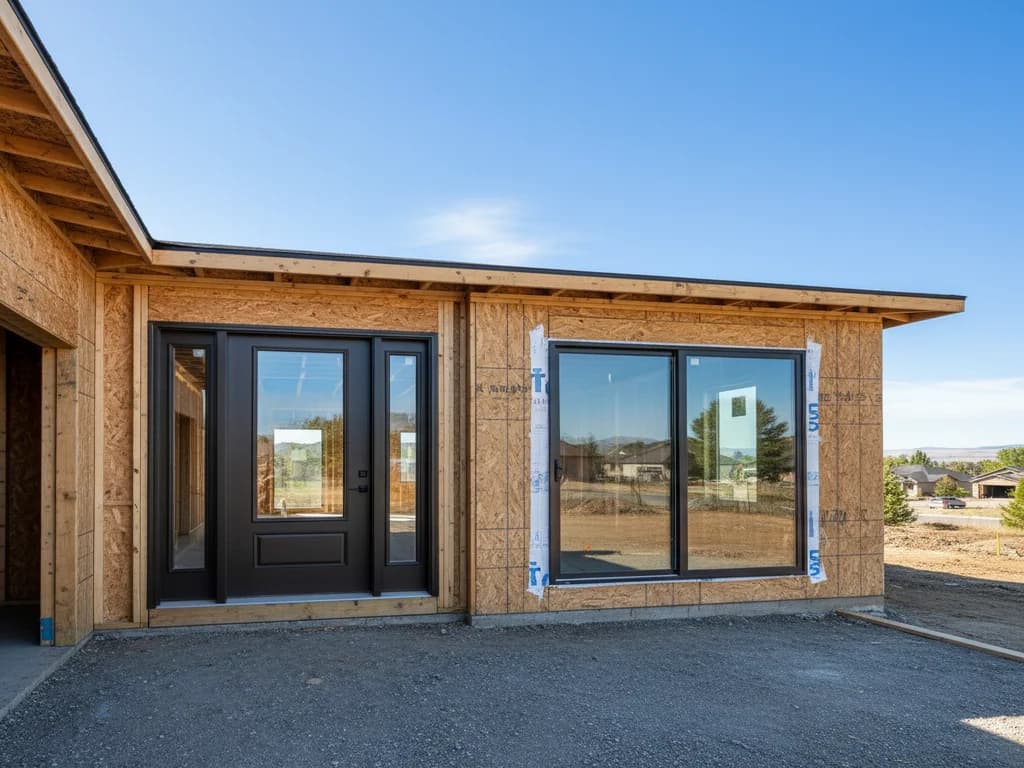
Helpful guides
Plain, local guidance to research patio doors before you commit.
Sources & references
How we back what we say
Our recommendations follow building code, manufacturer specifications, and federal efficiency standards — not sales scripts. These are the primary sources behind the guidance on this page.
- Exterior DoorsU.S. Department of Energy
DOE guidance on door materials, cores, weatherstripping, and how doors gain and lose heat.
- ENERGY STAR Exterior DoorsU.S. EPA / ENERGY STAR
Efficiency criteria for qualified entry and patio doors by climate zone.
- Therma-Tru Entry Door SystemsTherma-Tru Doors
Manufacturer product data and installation resources for fiberglass and steel entry door systems.
- Renovation, Repair and Painting (RRP) RuleU.S. Environmental Protection Agency
Federal lead-safe work practices required when disturbing painted surfaces on homes built before 1978 — relevant to siding tear-offs and window/door replacement on older Treasure Valley homes.
- Idaho Contractor RegistrationIdaho Division of Building Safety
Idaho's contractor registration program (RCE numbers). You can verify any Idaho contractor's registration status here.
- International Residential Code (IRC)International Code Council
The model residential building code Idaho jurisdictions adopt — governs weather-resistive barriers, flashing, fastening, and egress that exterior work must meet.
- Energy Saver: WeatherizeU.S. Department of Energy
DOE guidance on air sealing and the building envelope — the principles behind proper flashing, weather barriers, and sealing.
Need patio doors done right?
Tell us about your siding, window, or door project — we'll come take a look and give you a straight, free estimate.