Treasure Valley Doors
Steel Entry Doors in the Treasure Valley
Steel entry doors: security and value
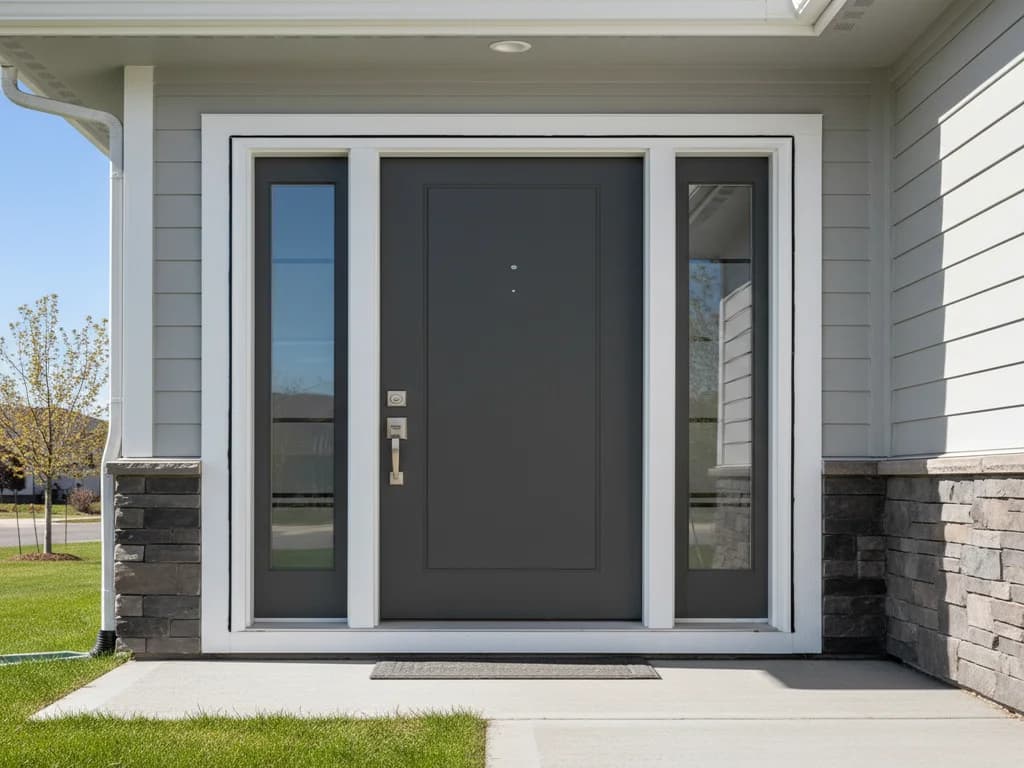
When the priorities are security, strength, and value, a steel entry door is hard to beat. The skin is a formed steel sheet over an insulated core, which makes the slab rigid and tough to force — a genuine deterrent at a price well below comparable fiberglass or wood. For rentals, secondary entries, or any owner who wants a solid, secure front door without a premium spend, steel earns its place.
Steel doors come primed for paint or pre-finished, and modern lines offer panel styling and glass options that look far better than the flat utility doors people remember. We install them with the security details that matter — a solid frame, a reinforced strike, and a quality deadbolt — because a strong slab in a weak frame isn't actually secure.
On energy, a steel door's insulated core performs well, though steel does conduct temperature more readily than fiberglass, so the perimeter seal does a lot of the work. We set the threshold and weatherstripping tight so the door holds its own through Idaho winters and keeps the summer heat out.
We'll give you the honest picture: steel is the value and security play, but it can dent from a hard impact, and a deep scratch needs touch-up to prevent surface rust. If you want the toughest, most affordable secure entry and will keep the finish maintained, steel is an excellent choice.
What's included
- High security & strength
- Insulated cores
- Budget-friendly
- Primed & finished options
- Weather-tight installation
Our process
How we handle steel entry doors
- 01
Measure & assess
We measure the opening, check the frame and threshold, and confirm the door style, finish, and hardware before quoting.
- 02
Door & security selection
We lay out primed and pre-finished options plus glass, panel styling, and deadbolt and strike-reinforcement choices so the security package is clear.
- 03
Removal & opening prep
The old door and frame come out and we repair any rot or out-of-square framing so the steel unit sits true and the frame is sound.
- 04
Set, shim & reinforce
The door is set plumb and square, shimmed, and the strike and frame are reinforced so the deadbolt has solid backing — security depends on the whole assembly.
- 05
Flash, seal & hardware
We flash and seal the sill and jambs, then install and adjust the lockset, deadbolt, threshold, and weatherstrip for a tight seal and solid latch.
- 06
Finish & walkthrough
We finish or touch up as needed, clean up, and walk the lock, latch, and seal with you.
In the Treasure Valley
Built for local homes & weather
Steel's insulated core handles Treasure Valley winters well, but because steel conducts cold, we pay close attention to the threshold and weatherstrip so the perimeter doesn't become the weak point on a cold January morning.
On hot west-facing entries we'll flag that dark paint on a steel door absorbs a lot of summer heat; a lighter color or a shaded entry keeps the slab cooler and the finish lasting longer.
Steel Entry Doors FAQs
Is a steel door more secure than fiberglass?
The steel slab itself is harder to pry or kick through, yes — but real security comes from the whole assembly: a solid frame, a reinforced strike plate, and a quality deadbolt with good backing. We install those details, because a strong door in a weak frame isn't secure.
Why is steel cheaper?
Steel doors generally cost less than comparable fiberglass or wood while still offering an insulated core and strong security. That value is the main reason owners choose them, especially for rentals, secondary doors, or tighter budgets. We'll tell you where the savings come with trade-offs.
Do steel doors rust or dent?
Steel can dent from a hard impact and a deep scratch through the finish can let surface rust start, so keeping the paint intact matters. Day to day the finish is durable; we'll point out how to touch up a scratch so it never becomes a rust spot.
How does it handle Idaho cold?
The insulated core performs well, but steel conducts temperature more than fiberglass, so the perimeter seal does extra work. We set the weatherstrip and threshold tight, which keeps a steel door comfortable through our winters.
What drives the price?
The door style and finish, glass and panel options, the hardware and security upgrades, and any frame or opening repair at removal. Steel starts lower than fiberglass or wood, but glass and reinforcement add to it. We quote after measuring.
Are steel entry doors a good choice for security?
Steel slabs are rigid and resist kick-ins well, which is why they're a common security pick, but the real strength comes from pairing the door with a reinforced frame, a solid deadbolt, and a strike plate anchored into the framing. The skin alone won't stop a determined entry if the jamb is weak. We set the hardware into the framing so the whole assembly works together.
Do steel doors dent or rust over time?
Yes, steel can dent from impacts, and a dent is hard to repair invisibly. If the skin gets scratched or punctured and bare steel is exposed to moisture, it can rust, so keeping the paint intact matters. In a covered or recessed entry, a steel door holds up well; in a fully exposed, west-facing entry it sees more wear.
Why are steel entry doors usually the most affordable option?
Steel doors typically have the lowest material cost of the three main types, which makes them a strong value when budget is the priority. The trade-off is that they dent more easily than fiberglass and can rust if damaged. Glass inserts, sidelights, hardware, size, and frame condition still affect the final price, so we quote each opening individually.
How well do steel entry doors insulate against Idaho winters?
Most exterior steel doors are built around an insulated foam core, so they perform well against cold when the weatherstripping and threshold seal properly. Steel does conduct cold at the edges, so a tight, square installation and good seals matter for comfort. Look for a door that meets ENERGY STAR Northern-zone criteria if winter performance is a priority.
How do I maintain a steel entry door?
Keep the paint or factory finish intact to prevent rust, touch up scratches promptly, and check the weatherstripping and threshold each year for wear. Lubricate hinges and the lockset so they operate smoothly. Steel needs less finish upkeep than wood but more attention to dents and corrosion than fiberglass.
Other doors types we install
Explore the rest of our doors materials and services across the Treasure Valley.
Materials
Entry Doors
Front entry doors that seal tight, secure the home, and set the curb appeal — fiberglass, steel, or wood.
Learn more →Fiberglass Entry Doors
Low-maintenance fiberglass entry doors that resist dents, won't rot or warp, and mimic real wood grain.
Learn more →Wood Entry Doors
Solid and stain-grade wood entry doors for classic, high-end curb appeal.
Learn more →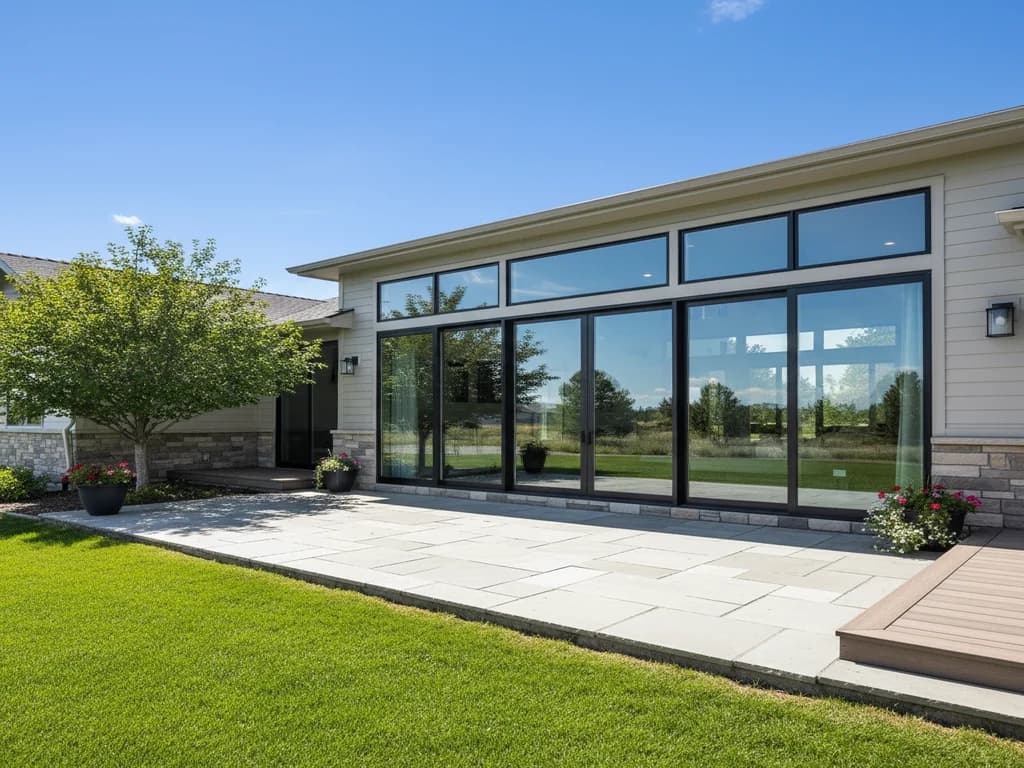
Patio Doors
Patio doors that connect indoor and outdoor living — sliding or hinged French, energy-sealed.
Learn more →Sliding Patio Doors
Space-saving sliding glass patio doors with big views and smooth, secure operation.
Learn more →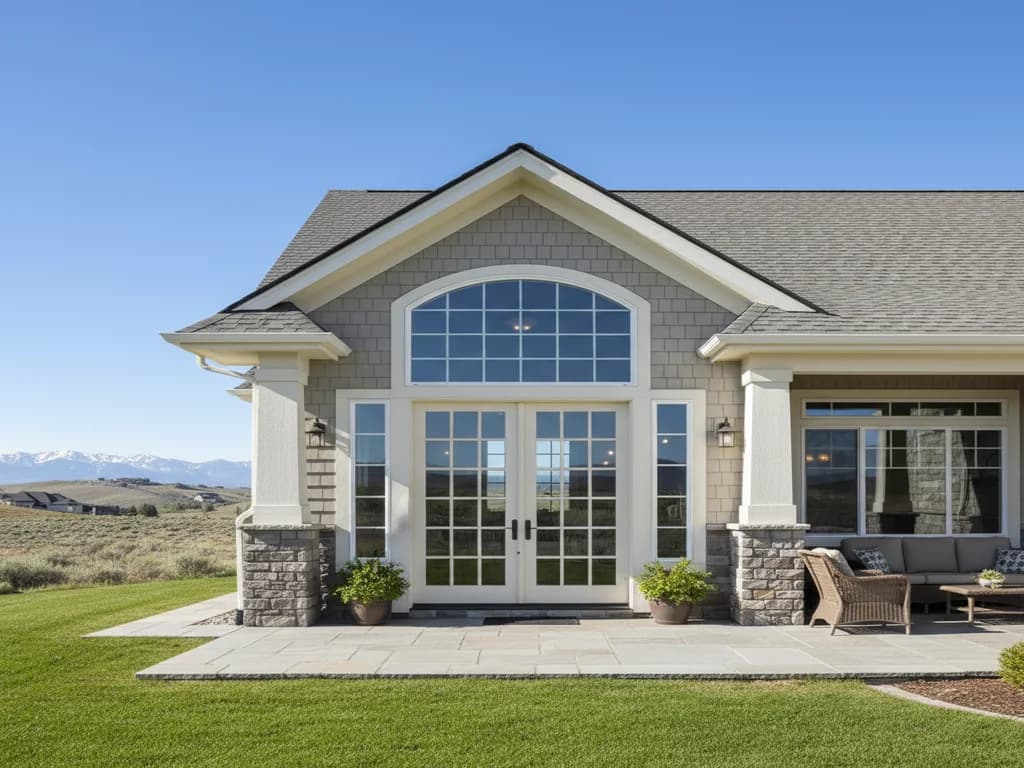
French Doors
Hinged French doors — interior or exterior — for a classic, wide-open connection between spaces.
Learn more →Brands We Install
Therma-Tru® Doors
Installation of Therma-Tru® fiberglass and steel entry door systems across the Treasure Valley.
Learn more →ProVia® Doors
Installation of ProVia® entry, storm, and security doors — known for fit and finish.
Learn more →Pella® Doors
Installation of Pella® entry and patio doors — wood, fiberglass, and vinyl lines.
Learn more →Masonite® Doors
Installation of Masonite® exterior door lines — fiberglass and steel entry options.
Learn more →Repair & Specialty
Storm Doors
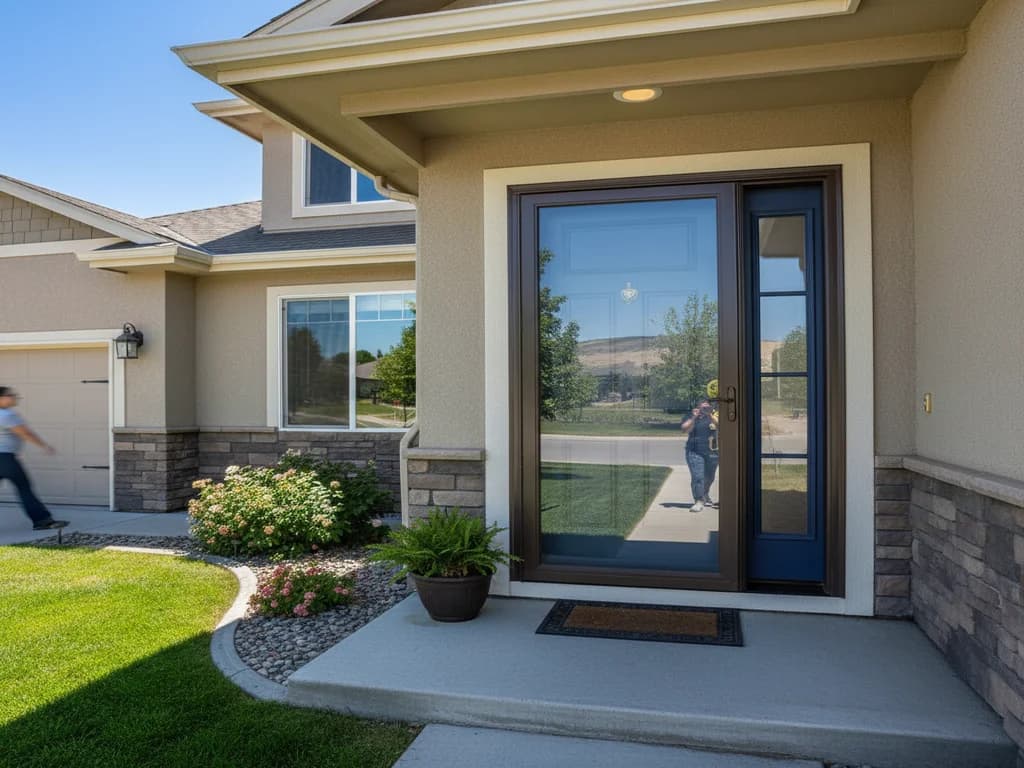
Storm doors that add a weather and energy buffer while protecting your entry door year-round.
Learn more →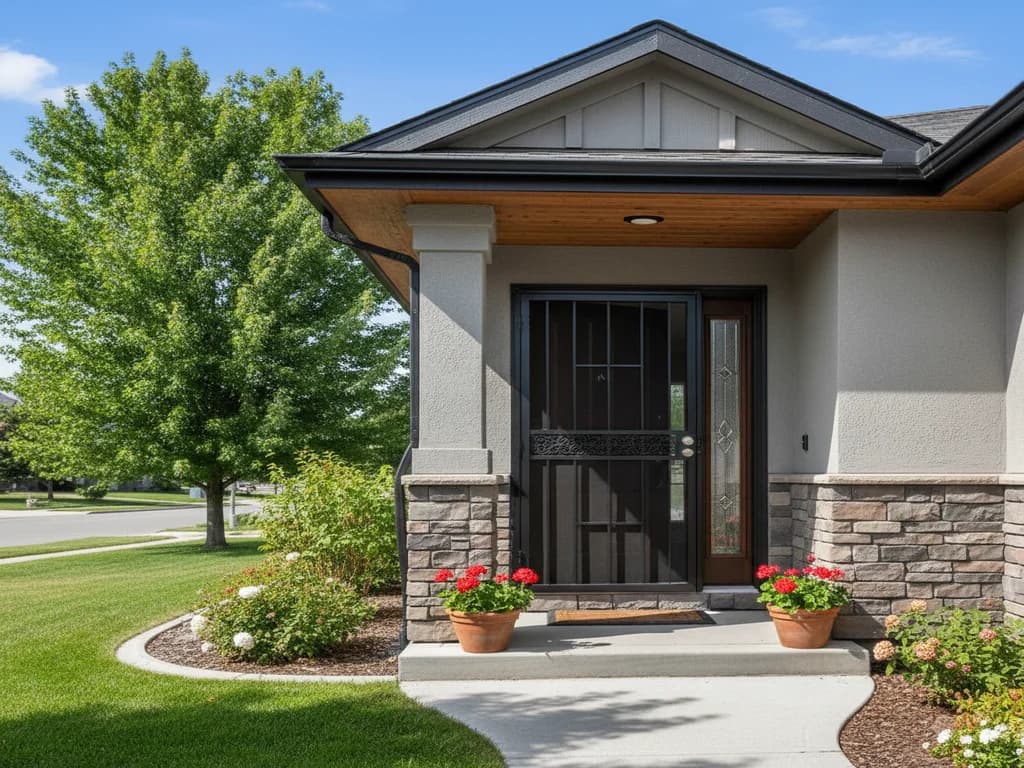
Security Doors
Security and storm-security doors that harden the entry without sacrificing curb appeal.
Learn more →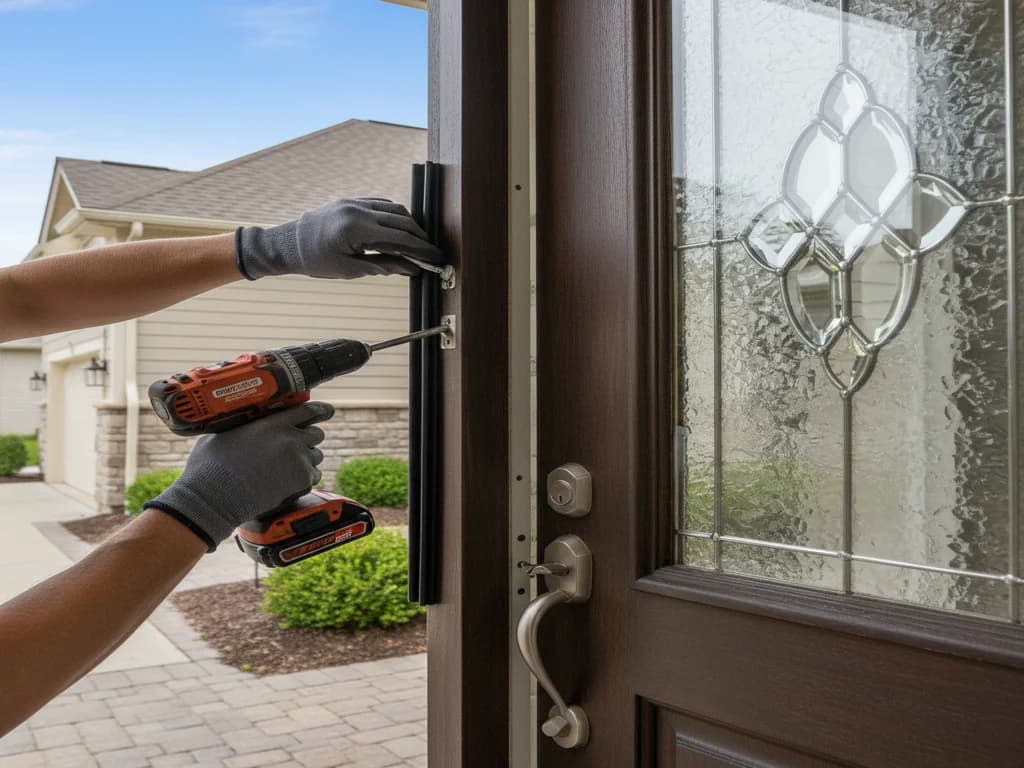
Door Repair
Drafty, sticking, or damaged exterior doors repaired — weatherstripping, hardware, alignment, and glass.
Learn more →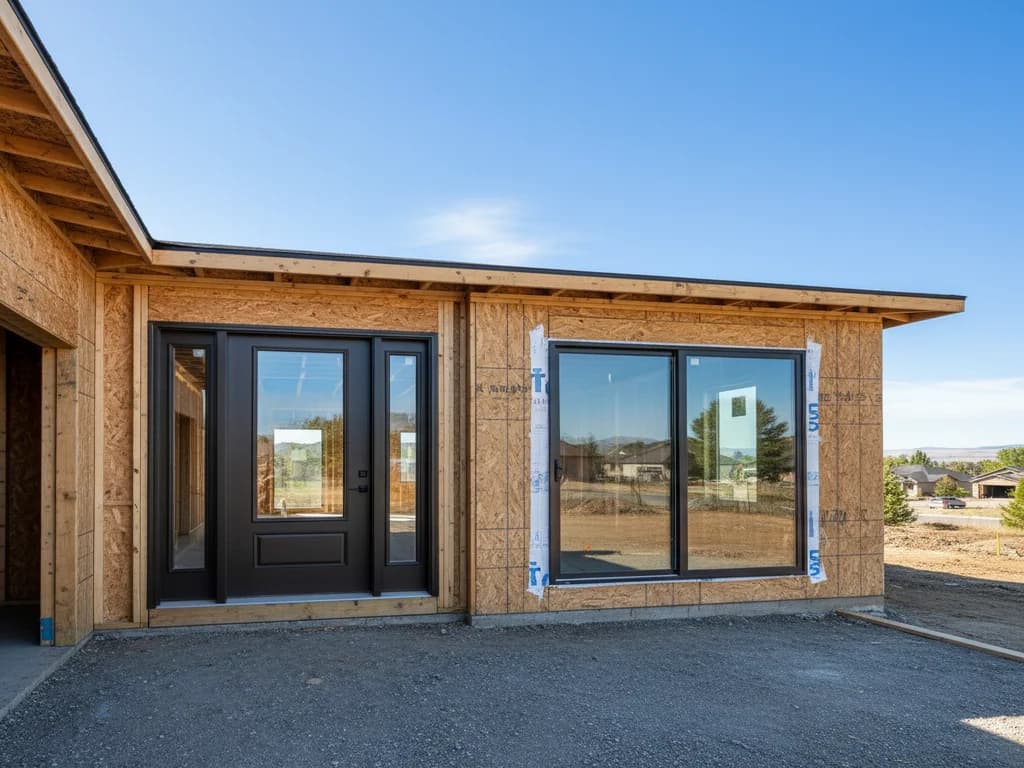
Helpful guides
Plain, local guidance to research steel entry doors before you commit.
Sources & references
How we back what we say
Our recommendations follow building code, manufacturer specifications, and federal efficiency standards — not sales scripts. These are the primary sources behind the guidance on this page.
- Exterior DoorsU.S. Department of Energy
DOE guidance on door materials, cores, weatherstripping, and how doors gain and lose heat.
- ENERGY STAR Exterior DoorsU.S. EPA / ENERGY STAR
Efficiency criteria for qualified entry and patio doors by climate zone.
- Therma-Tru Entry Door SystemsTherma-Tru Doors
Manufacturer product data and installation resources for fiberglass and steel entry door systems.
- Renovation, Repair and Painting (RRP) RuleU.S. Environmental Protection Agency
Federal lead-safe work practices required when disturbing painted surfaces on homes built before 1978 — relevant to siding tear-offs and window/door replacement on older Treasure Valley homes.
- Idaho Contractor RegistrationIdaho Division of Building Safety
Idaho's contractor registration program (RCE numbers). You can verify any Idaho contractor's registration status here.
- International Residential Code (IRC)International Code Council
The model residential building code Idaho jurisdictions adopt — governs weather-resistive barriers, flashing, fastening, and egress that exterior work must meet.
- Energy Saver: WeatherizeU.S. Department of Energy
DOE guidance on air sealing and the building envelope — the principles behind proper flashing, weather barriers, and sealing.
Need steel entry doors done right?
Tell us about your siding, window, or door project — we'll come take a look and give you a straight, free estimate.