Treasure Valley Doors
Storm Doors in the Treasure Valley
Storm doors for an extra weather & energy buffer
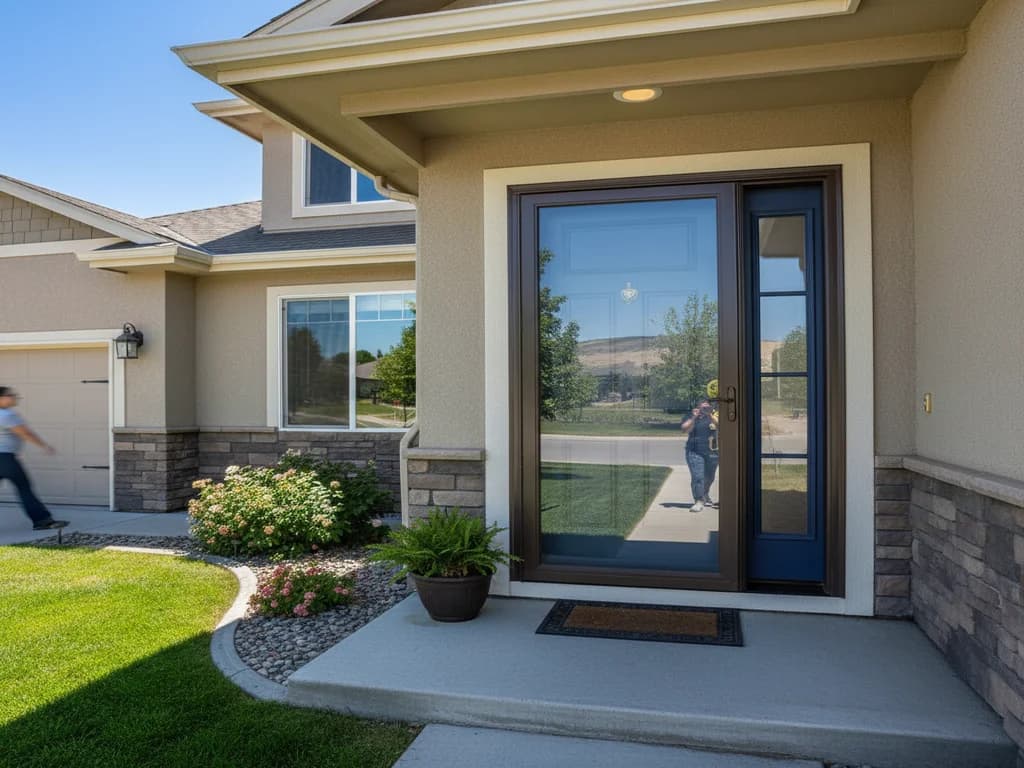
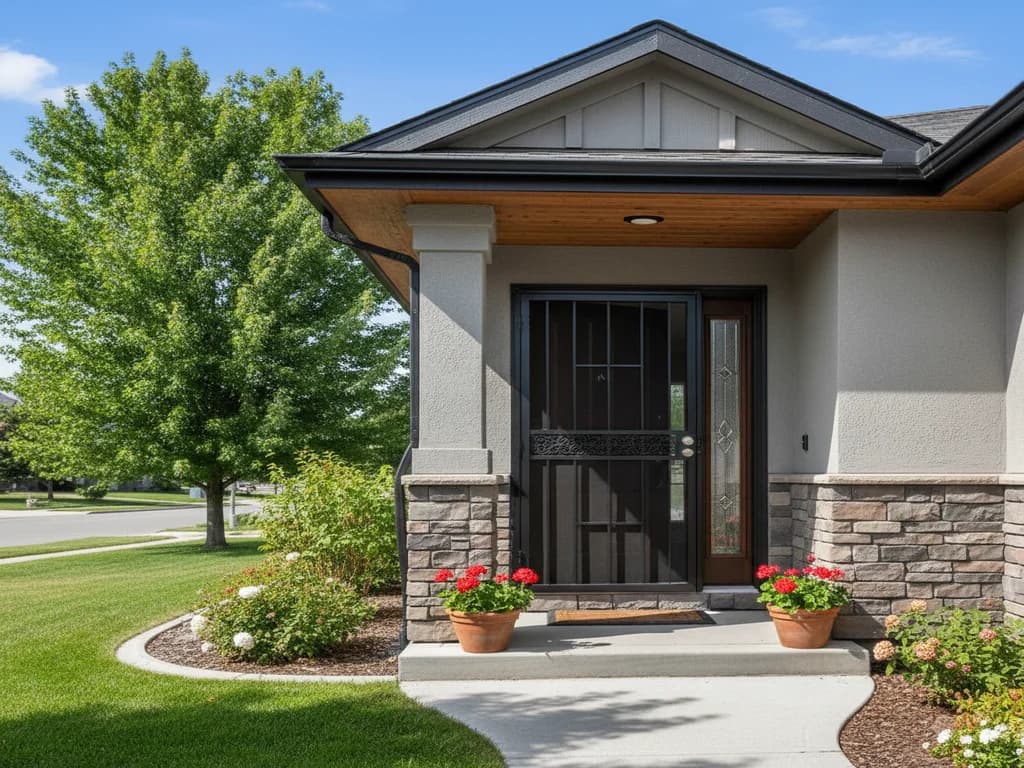
A storm door is the extra layer in front of your entry door, and it does more than people expect. It adds a buffer of dead air that improves the entry's energy performance, it shields the front door from wind-driven rain and harsh sun so your main door's finish lasts longer, and with interchangeable glass and screen panels it lets you bring in a breeze in spring and seal up tight in winter. For an exposed entry it's a small upgrade that pays off year-round.
We install storm doors in full-view models that show off the entry door behind them and in ventilating models with built-in screens and operable glass for airflow. Many lines let you swap a full glass panel for a screen seasonally, so the same door gives you a clear weather buffer in winter and ventilation in summer — a genuinely useful feature in Idaho's swing from cold to hot.
The protective benefit is real here. A west- or south-facing front door takes a beating from summer UV and the occasional driving storm; a storm door takes that hit instead, extending the life of the finish on an expensive entry door — especially worthwhile in front of a wood or stained-fiberglass door. The dead-air buffer also cuts drafts on a cold morning.
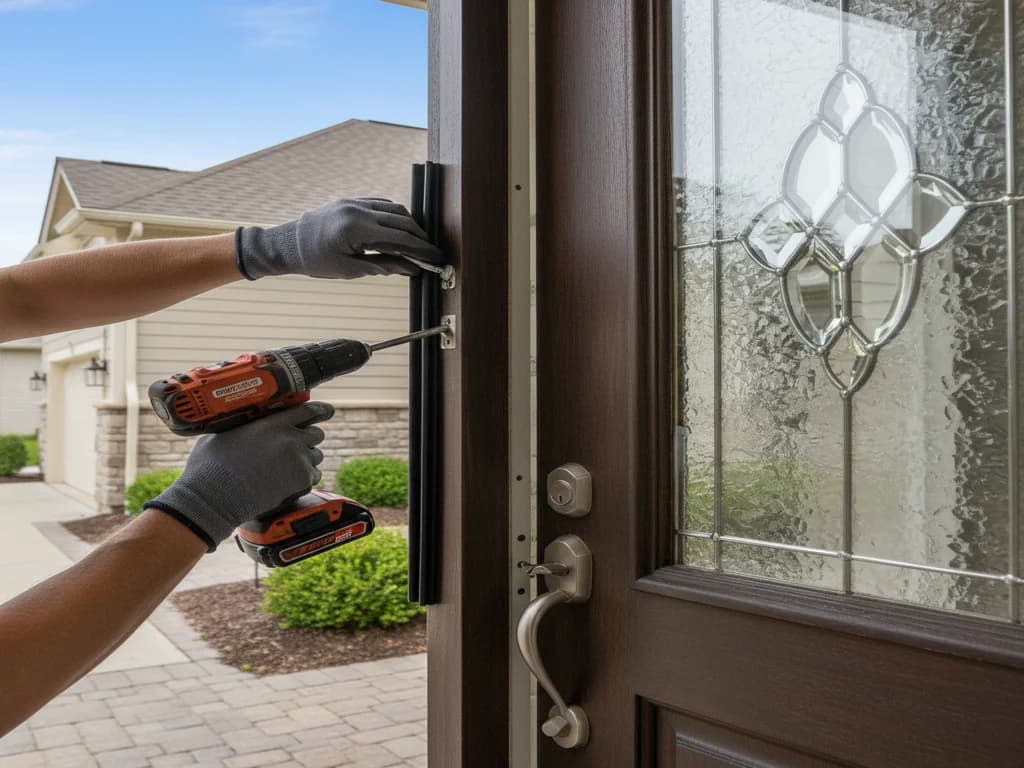
We hang storm doors square so they close and latch cleanly, fit the closer and weatherstrip so they don't slam or rattle in the wind, and set a secure latch — so the door protects the entry without becoming a nuisance.
What's included
- Full-view & ventilating models
- Interchangeable glass & screen
- Protects the entry door
- Added energy buffer
- Secure latching
Our process
How we handle storm doors
- 01
Measure & assess
We measure the entry opening and confirm the storm door model, glass-and-screen configuration, and swing before quoting.
- 02
Model selection
We lay out full-view versus ventilating models and interchangeable glass-and-screen options so the door suits how you use the entry.
- 03
Fit & mount
We fit the door to the opening and mount it square so it closes and latches cleanly without binding or gapping.
- 04
Closer & wind detailing
We set the closer and any wind chain so the door doesn't slam or get caught and damaged by Idaho wind gusts.
- 05
Weatherstrip, latch & seal
We fit the weatherstrip and sweep and set a secure latch so the door seals against the buffer it's meant to create.
- 06
Walkthrough
We test the close, latch, and panel swap, clean up, and walk the operation with you.
In the Treasure Valley
Built for local homes & weather
A storm door is especially worthwhile in front of a wood or stained-fiberglass entry door on a sun-exposed elevation, where it takes the summer UV hit and extends the life of the more expensive door's finish.
Idaho wind can catch and damage a storm door that's left unsecured, so we always set the closer and a wind chain or stop — that detail is what keeps a gust from ripping the door back on its hinges.
Storm Doors FAQs
Does a storm door actually save energy?
It creates a buffer of trapped air in front of your entry door that reduces drafts and modestly improves the entry's energy performance, and it shields the main door from weather. It's not a substitute for a well-sealed entry door, but as an added layer it helps, especially on an exposed entry.
What's the difference between full-view and ventilating models?
A full-view storm door is mostly glass and shows off the entry door behind it; a ventilating model has built-in screen and operable glass sections for airflow. Many doors let you swap a full glass panel for a screen seasonally, giving you both. We'll match the model to how you use the entry.
Will it protect my front door?
Yes — that's one of its best uses. A storm door takes the summer UV and wind-driven rain that would otherwise hit your entry door, extending the life of the finish. It's particularly worthwhile in front of a wood or stained-fiberglass door on a sunny elevation.
Won't the wind catch it?
It can if it's not detailed for it, which is why we always set a closer and a wind chain or stop. Those keep an Idaho gust from flinging the door back and damaging the hinges or closer. Properly set, it handles our wind fine.
What drives the cost?
The model (full-view versus ventilating), the glass-and-screen configuration, the hardware and closer, and the door size. Interchangeable-panel and heavier-duty models cost more than basic ones. We confirm the fit and quote after measuring the entry.
What does a storm door actually do for my entry?
A storm door adds an outer layer in front of your main entry door, shielding it from sun, wind-driven rain, and snow, and many have interchangeable glass and screen panels for ventilation. That protection helps extend the life of a wood or stained entry door's finish. It also adds a modest buffer of insulation and a second barrier at the entry.
Will a storm door cause my entry door to overheat?
On a tightly sealed storm door over a dark-colored entry door in strong sun, trapped heat can build up between the two, which some entry-door manufacturers warn against because it can affect the finish or warranty. Light colors, ventilating storm doors, and shaded entries reduce that risk. It's worth checking your entry door's warranty terms on storm doors before pairing them.
Do storm doors improve security?
A storm door adds a second locked barrier and many include a deadbolt, but a standard storm door isn't built to the same strength as a dedicated steel security door. If deterrence and an extra lock are the goal, a storm door helps; if the priority is true forced-entry resistance with ventilation, a security screen door is the better tool. We can explain the difference for your entry.
What's the difference between a full-view and a ventilating storm door?
A full-view storm door is mostly glass for maximum light and view, sometimes with a removable screen. A ventilating (or self-storing) model has glass and screen panels that slide or swap so you can open it for airflow in mild weather. Your choice comes down to how much you want to ventilate versus keep a clear glass look year-round.
How long do storm doors last and what upkeep do they need?
A quality storm door lasts many years with light upkeep: keep the closer adjusted, check the sweep and weatherstripping, and clean the glass and screen tracks. Aluminum frames resist corrosion and the glass panels are replaceable if cracked. The closer and hinges are the parts most likely to need adjustment or service over time.
Other doors types we install
Explore the rest of our doors materials and services across the Treasure Valley.
Materials
Entry Doors
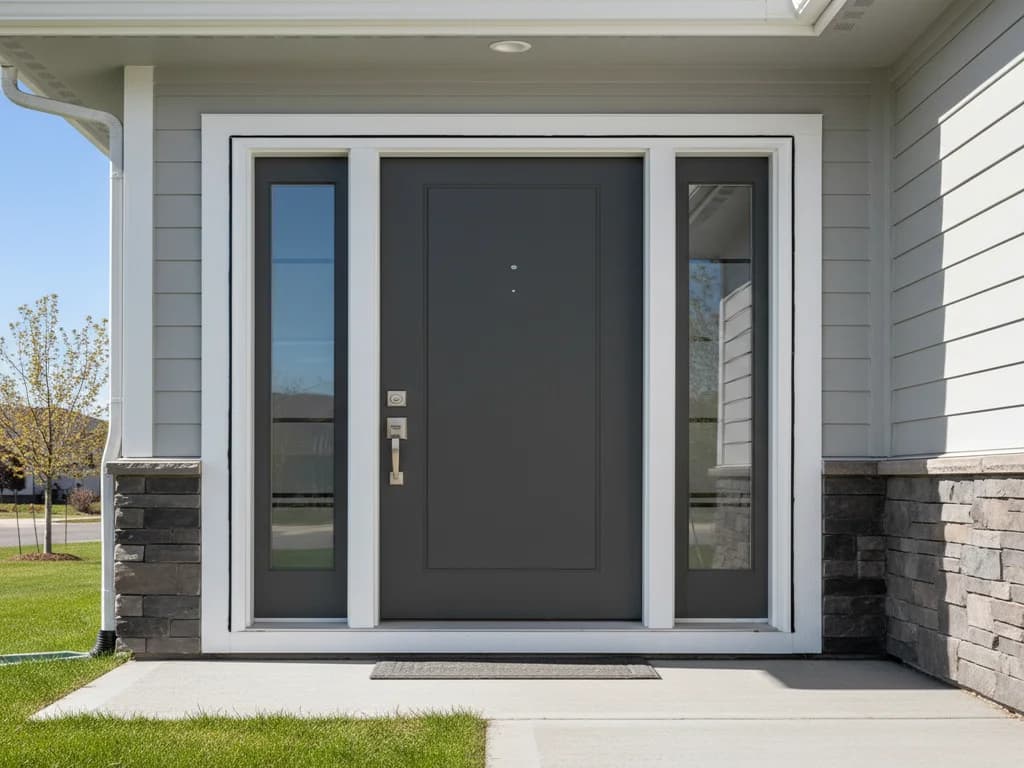
Front entry doors that seal tight, secure the home, and set the curb appeal — fiberglass, steel, or wood.
Learn more →Fiberglass Entry Doors
Low-maintenance fiberglass entry doors that resist dents, won't rot or warp, and mimic real wood grain.
Learn more →Steel Entry Doors
Tough, budget-friendly steel entry doors — strong security and solid energy value.
Learn more →Wood Entry Doors
Solid and stain-grade wood entry doors for classic, high-end curb appeal.
Learn more →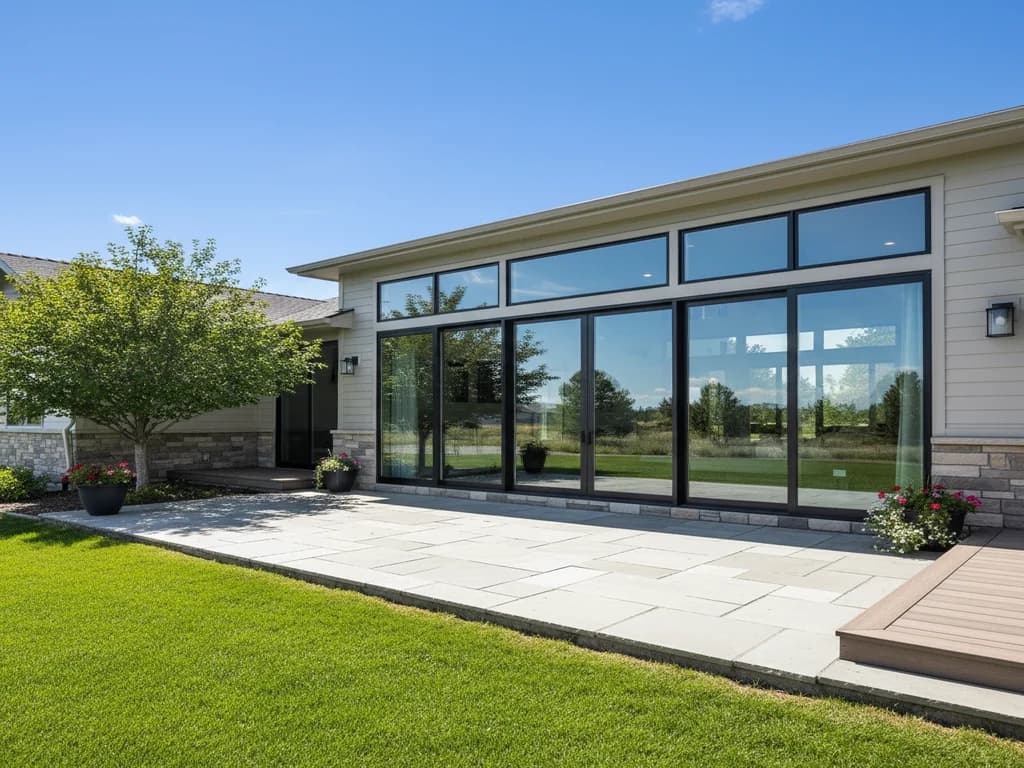
Patio Doors
Patio doors that connect indoor and outdoor living — sliding or hinged French, energy-sealed.
Learn more →Sliding Patio Doors
Space-saving sliding glass patio doors with big views and smooth, secure operation.
Learn more →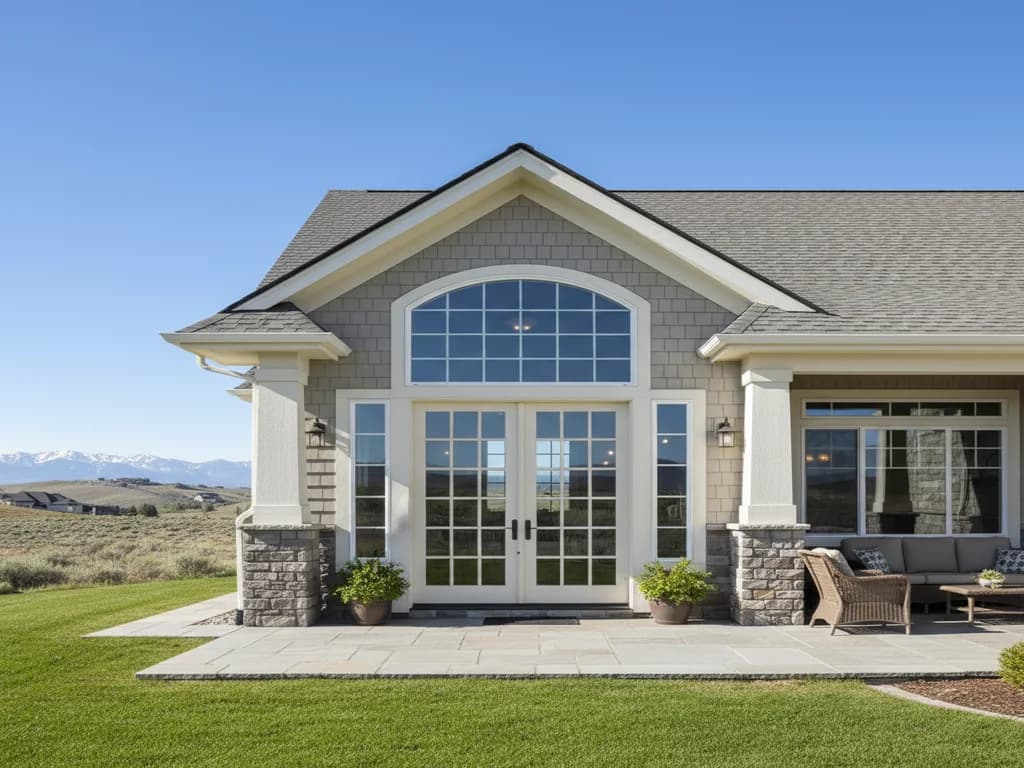
French Doors
Hinged French doors — interior or exterior — for a classic, wide-open connection between spaces.
Learn more →Brands We Install
Therma-Tru® Doors
Installation of Therma-Tru® fiberglass and steel entry door systems across the Treasure Valley.
Learn more →ProVia® Doors
Installation of ProVia® entry, storm, and security doors — known for fit and finish.
Learn more →Pella® Doors
Installation of Pella® entry and patio doors — wood, fiberglass, and vinyl lines.
Learn more →Masonite® Doors
Installation of Masonite® exterior door lines — fiberglass and steel entry options.
Learn more →Repair & Specialty
Helpful guides
Plain, local guidance to research storm doors before you commit.
Sources & references
How we back what we say
Our recommendations follow building code, manufacturer specifications, and federal efficiency standards — not sales scripts. These are the primary sources behind the guidance on this page.
- Exterior DoorsU.S. Department of Energy
DOE guidance on door materials, cores, weatherstripping, and how doors gain and lose heat.
- ENERGY STAR Exterior DoorsU.S. EPA / ENERGY STAR
Efficiency criteria for qualified entry and patio doors by climate zone.
- Therma-Tru Entry Door SystemsTherma-Tru Doors
Manufacturer product data and installation resources for fiberglass and steel entry door systems.
- Renovation, Repair and Painting (RRP) RuleU.S. Environmental Protection Agency
Federal lead-safe work practices required when disturbing painted surfaces on homes built before 1978 — relevant to siding tear-offs and window/door replacement on older Treasure Valley homes.
- Idaho Contractor RegistrationIdaho Division of Building Safety
Idaho's contractor registration program (RCE numbers). You can verify any Idaho contractor's registration status here.
- International Residential Code (IRC)International Code Council
The model residential building code Idaho jurisdictions adopt — governs weather-resistive barriers, flashing, fastening, and egress that exterior work must meet.
- Energy Saver: WeatherizeU.S. Department of Energy
DOE guidance on air sealing and the building envelope — the principles behind proper flashing, weather barriers, and sealing.
Need storm doors done right?
Tell us about your siding, window, or door project — we'll come take a look and give you a straight, free estimate.