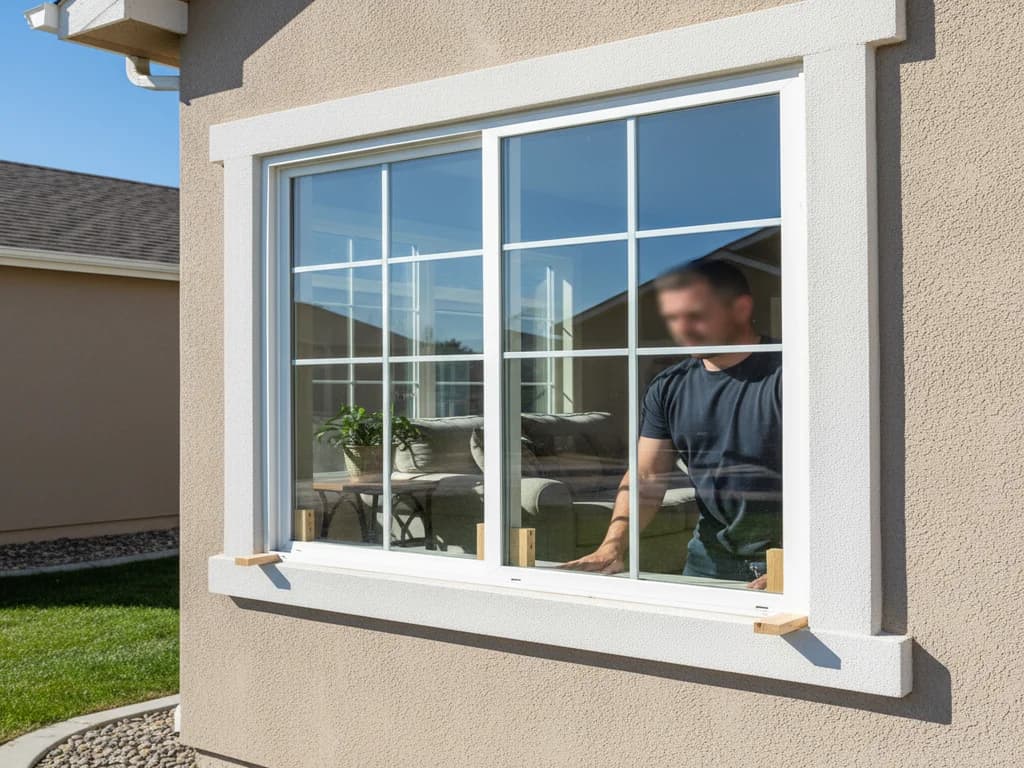
Treasure Valley Windows
Energy-Efficient Windows in the Treasure Valley
Energy-efficient windows for Idaho's climate
In a climate that runs from triple-digit July afternoons to subzero January nights, the windows are where a lot of a home's energy budget leaks away. Energy-efficient windows attack that on every front — low-E coatings, insulated multi-pane glass, gas fills, warm-edge spacers, and tight, well-insulated frames — to cut both winter heat loss and summer heat gain.
We build the right package for each wall rather than selling one spec for the whole house. That means matching a low U-factor for our cold winters with the appropriate SHGC for each elevation — a lower SHGC on the south- and west-facing walls that take the brunt of summer sun, and glass that lets in warming light where it helps. The frame material, the operating style's seal, and the install quality all factor into the real-world result.
The payoff shows up as a more comfortable home and a lower energy bill: fewer drafts, no more cold spots by the glass in winter, less radiant heat off the windows in summer, and an HVAC system that doesn't fight the windows all year. Reduced condensation and less UV fading of floors and furnishings come along with it.
We talk performance in honest terms — ratings, comfort, and the factors that drive payback — not invented dollar savings. Glass packages and frames have real trade-offs and costs, and we'll lay them out so you spend where it actually moves the needle for your home.
What's included
- Double & triple-pane glass
- Low-E coatings & gas fills
- Right U-factor & SHGC for the orientation
- Proper air sealing
- ENERGY STAR-eligible options
Our process
How we handle energy-efficient windows
- 01
Energy assessment by elevation
We evaluate each wall's exposure and the home's comfort complaints, then plan U-factor and SHGC targets per elevation rather than one spec for the whole house.
- 02
Glass & frame package selection
We match low-E coatings, pane count, gas fill, spacer, and frame material to each opening and explain the trade-offs and cost factors honestly.
- 03
Remove old units & inspect
Old, leaky windows come out and we inspect each rough opening, addressing any rot or moisture before new units are set.
- 04
Set, flash & air-seal
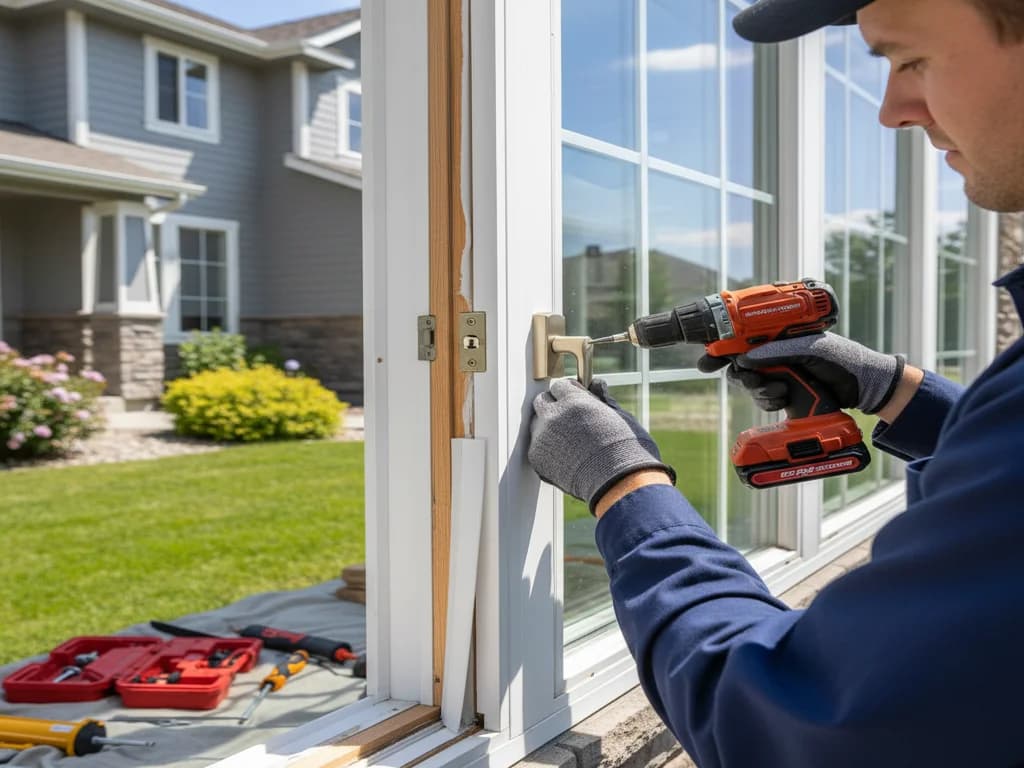
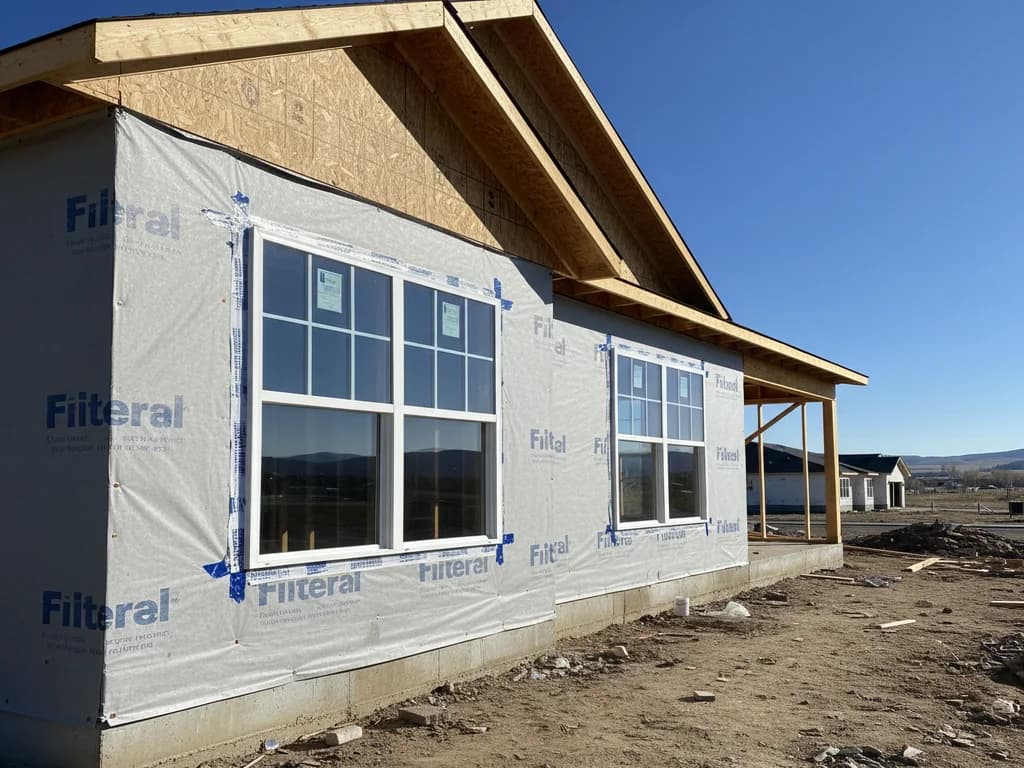
Each unit is set level and square and flashed, air-sealed, and insulated to the weather barrier — the step that turns a good rating into real-world performance.
- 05
Verify, trim & walkthrough
We finish trim, seal joints, confirm every unit seals and operates correctly, and walk the completed job and its performance package with you.
In the Treasure Valley
Built for local homes & weather
Idaho's huge annual temperature swing is exactly what energy-efficient glass is built for — a low U-factor cuts the winter heat loss that drives up heating bills, while a properly chosen SHGC tames the summer heat gain on south- and west-facing walls. We tune the package per elevation because the right glass for a shaded north wall isn't the right glass for one baking in the afternoon sun.
Better windows also cut interior condensation, which matters in our cold winters where warm indoor air meets cold glass — warm-edge spacers and insulated glass keep the inner pane warmer and reduce the moisture and frost that form on underperforming windows.
Window replacements are subject to current energy-code U-factor and SHGC minimums, and the right package comfortably exceeds them. We coordinate any required permit so the work is inspected and documented.
Energy-Efficient Windows FAQs
What actually makes a window energy-efficient?
Several things working together: a low-E coating that reflects heat, multiple insulated panes, an inert gas fill between them, a warm-edge spacer, and a frame that resists heat transfer — all installed with tight air-sealing. The ratings to look at are U-factor for heat loss and SHGC for solar heat gain, and we match both to each wall.
What U-factor and SHGC should I get for Idaho?
For our cold winters you want a low U-factor across the board. SHGC is where it gets elevation-specific — lower on south- and west-facing walls to cut summer heat gain, and you can allow a bit more on shaded walls. We set targets per elevation rather than ordering one number for the whole house.
Will efficient windows really lower my energy bill?
Replacing old single-pane or worn windows with a properly matched, well-installed package reduces both winter heat loss and summer heat gain, so the HVAC works less. The exact savings depend on your current windows, the home, and your habits, so we talk in honest factors rather than promising a specific dollar figure.
Do better windows help with condensation?
Yes. Insulated glass with warm-edge spacers keeps the interior pane warmer, so the warm indoor air of an Idaho winter is less likely to condense or frost on it. Persistent condensation on old windows is often a sign the glass and seals are underperforming.
What drives the cost?
The glass package (panes, coatings, gas, spacer), frame material, number and size of openings, operating styles, any rough-opening repair, and access. A higher-performance package costs more up front, and we'll show you where the spend pays off for your home. We quote after measuring.
What makes a window energy efficient for Idaho's climate?
Idaho is in the ENERGY STAR Northern climate zone, so the key is a low U-factor to keep heat from escaping in winter. Double or triple pane glass, low-E coatings, gas fill between the panes, and a warm-edge spacer all lower the U-factor. The NFRC label on every window shows these ratings so you can compare units objectively.
What do U-factor and SHGC mean on a window label?
U-factor measures how well the window keeps heat from passing through; a lower number means better insulation, which is the priority in our cold Northern zone. SHGC (solar heat gain coefficient) measures how much solar heat the glass lets in. In Idaho a moderate SHGC can be welcome because it allows useful passive solar warmth in winter. Both appear on the NFRC label.
Is triple-pane glass worth it in the Treasure Valley?
Triple pane lowers the U-factor further and can make rooms feel warmer near the glass and quieter, which some homeowners value in our winters. It also costs and weighs more, and a well-built double pane with good low-E and gas fill already performs strongly here. We'll compare the NFRC numbers of both so you can judge the difference for your home.
Will new energy-efficient windows lower my heating bills?
Better windows reduce heat loss and drafts, so they generally help with comfort and heating load, especially replacing old single-pane or failed-seal units. We won't quote a specific savings percentage because real-world results depend on your home's insulation, your old windows, and how you heat. The honest promise is a tighter, warmer envelope, not a guaranteed dollar figure.
Do efficient windows reduce condensation?
They can. Low-E, gas-filled glass keeps the interior pane surface warmer, so it's less likely to sweat when indoor humidity is high. That said, interior condensation often signals too much indoor moisture rather than a window problem. Fog trapped between the panes is different and means a failed seal that needs replacement.
Other windows types we install
Explore the rest of our windows materials and services across the Treasure Valley.
Materials
Double-Hung Windows
Classic double-hung replacement windows — both sashes operate, easy to clean, fit nearly any home style.
Learn more →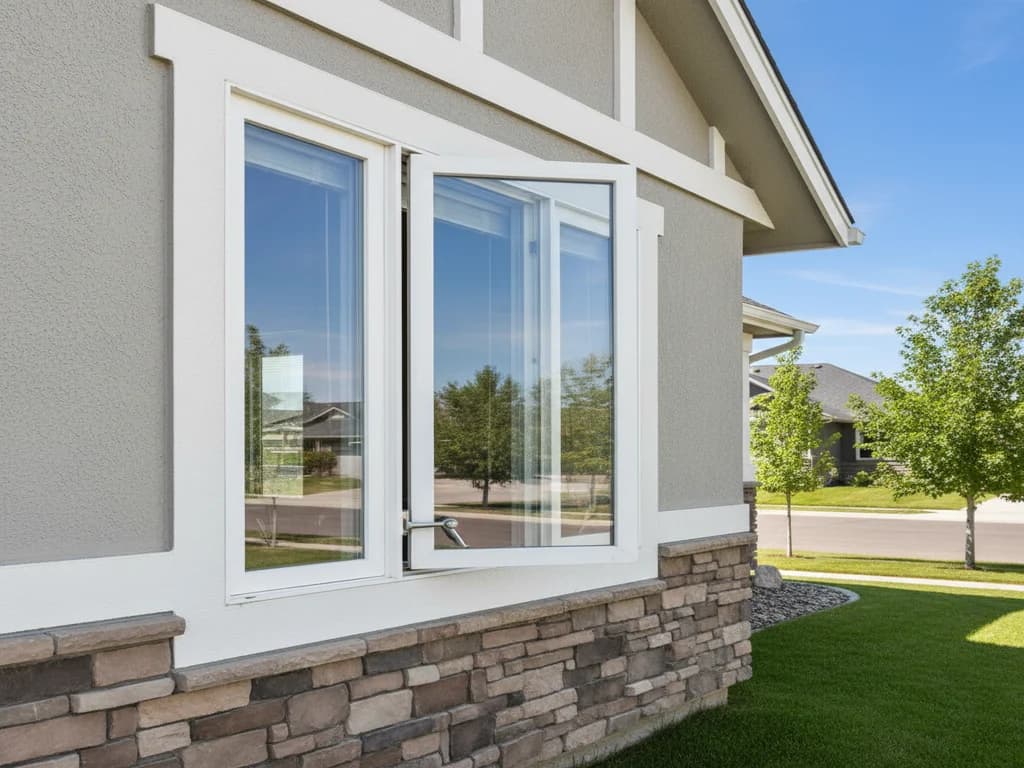
Casement Windows
Crank-out casement windows that seal tight and catch a breeze — great for hard-to-reach spots.
Learn more →Slider Windows
Horizontal slider windows — smooth operation, wide views, a fit for modern and ranch homes.
Learn more →Picture Windows
Fixed picture windows for big, unobstructed views and maximum daylight with top energy performance.
Learn more →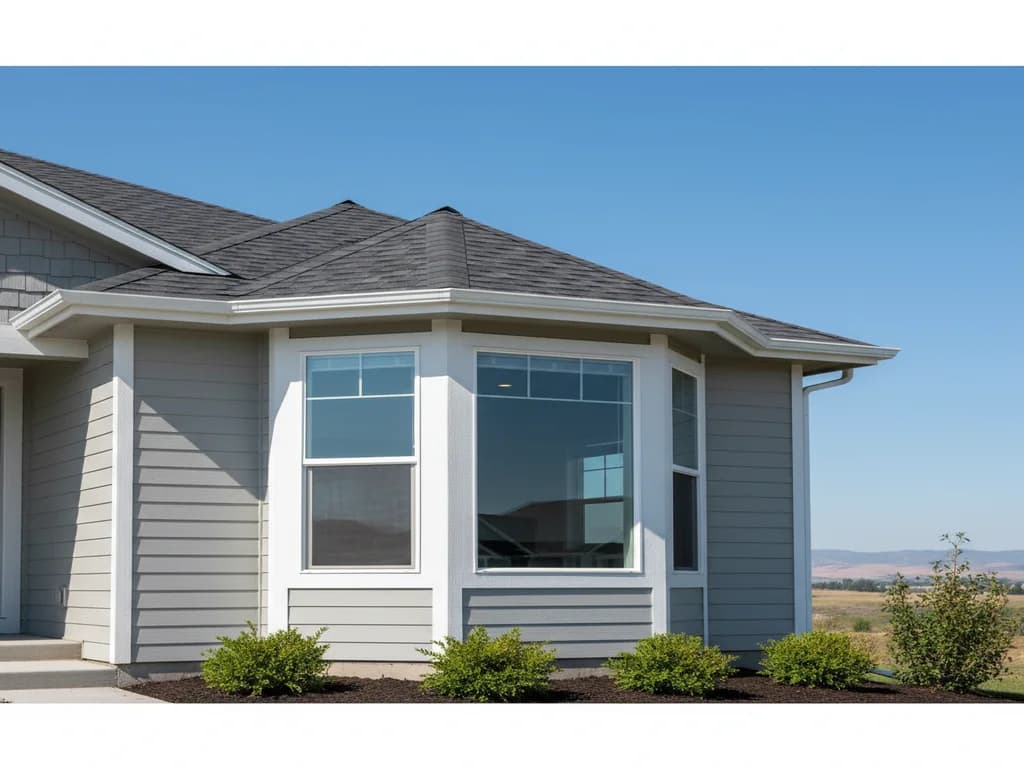
Bay & Bow Windows
Bay and bow windows that add space, light, and architectural character to a room.
Learn more →Vinyl Windows
Low-maintenance vinyl windows with strong energy performance at a budget-friendly price.
Learn more →Fiberglass Windows
Strong, stable fiberglass windows that handle Idaho temperature swings with minimal expansion.
Learn more →Brands We Install
Milgard® Windows
Installation and replacement of Milgard® vinyl and fiberglass windows across the Treasure Valley.
Learn more →Andersen® Windows
Installation and replacement of Andersen® windows — composite, wood, and vinyl lines.
Learn more →Marvin® Windows
Installation and replacement of Marvin® windows — fiberglass and wood-clad lines for premium builds.
Learn more →Pella® Windows
Installation and replacement of Pella® windows — wood, fiberglass, and vinyl lines.
Learn more →Repair & Specialty
Helpful guides
Plain, local guidance to research energy-efficient windows before you commit.
Sources & references
How we back what we say
Our recommendations follow building code, manufacturer specifications, and federal efficiency standards — not sales scripts. These are the primary sources behind the guidance on this page.
- ENERGY STAR Windows, Doors & SkylightsU.S. EPA / ENERGY STAR
Federal efficiency criteria and the climate-zone requirements that determine which windows qualify in Idaho's Northern climate zone.
- Energy-Efficient WindowsU.S. Department of Energy
How U-factor, SHGC, glazing, gas fills, and frame materials affect comfort and energy bills.
- Window Energy Performance RatingsNational Fenestration Rating Council (NFRC)
The independent rating system behind the U-factor and SHGC numbers on every window's NFRC label.
- Renovation, Repair and Painting (RRP) RuleU.S. Environmental Protection Agency
Federal lead-safe work practices required when disturbing painted surfaces on homes built before 1978 — relevant to siding tear-offs and window/door replacement on older Treasure Valley homes.
- Idaho Contractor RegistrationIdaho Division of Building Safety
Idaho's contractor registration program (RCE numbers). You can verify any Idaho contractor's registration status here.
- International Residential Code (IRC)International Code Council
The model residential building code Idaho jurisdictions adopt — governs weather-resistive barriers, flashing, fastening, and egress that exterior work must meet.
- Energy Saver: WeatherizeU.S. Department of Energy
DOE guidance on air sealing and the building envelope — the principles behind proper flashing, weather barriers, and sealing.
Need energy-efficient windows done right?
Tell us about your siding, window, or door project — we'll come take a look and give you a straight, free estimate.