Treasure Valley Windows
Bay & Bow Windows in the Treasure Valley
Bay & bow windows that open up a room
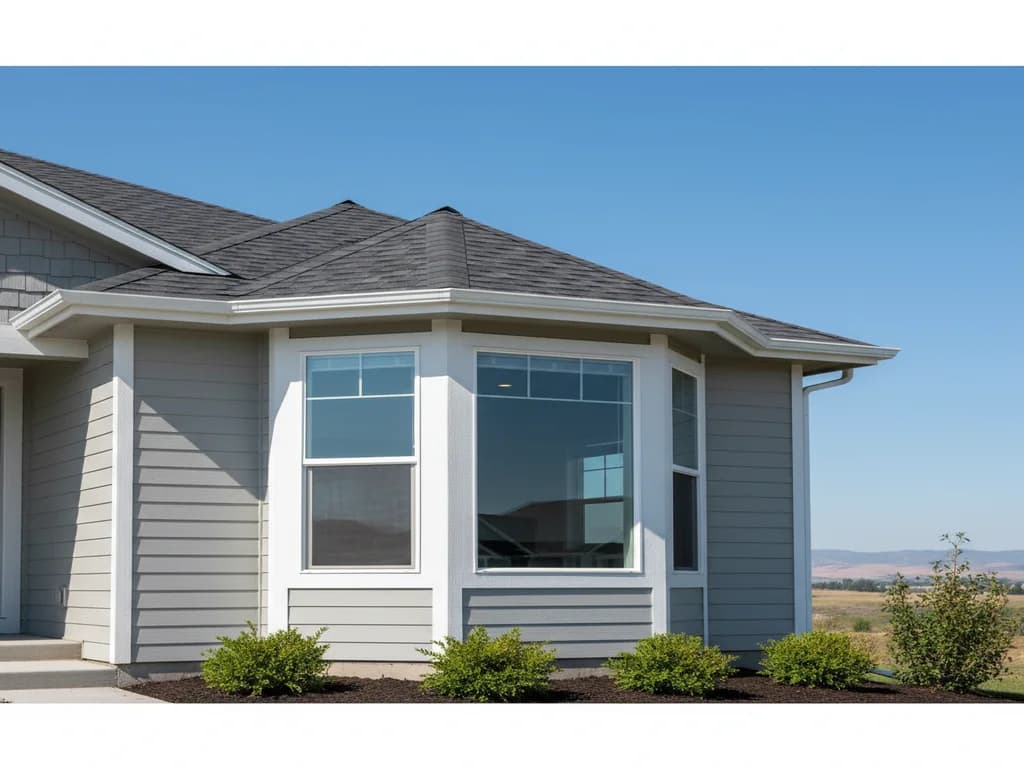
Bay and bow windows project outward from the wall to create depth, panoramic light, and often a shelf or seat inside — a feature that transforms a flat living-room or dining-room wall into a focal point. A bay typically combines a large fixed center with two angled side units; a bow uses a gentle curve of several equal units for a softer, rounded projection.
We install bay and bow assemblies in vinyl, fiberglass, and composite frames with insulated low-E glass, and the side units are usually operable casements or double-hungs so you get ventilation along with the view. Because the assembly cantilevers out from the wall, the structural support, insulation of the roof and seat, and flashing are as important as the windows themselves — and that's where a proper installation earns its keep.
These projections add real interior space, daylight from three directions, and noticeable curb appeal and resale value. They're a meaningful upgrade over the flat opening they replace, and on the right wall they redefine the room.
A bay or bow is a more involved installation than a flat window — it needs proper support, an insulated and flashed roof cap or head, and careful sealing, or it becomes a cold, leaky bump-out. We'll be straight about what the wall and budget require so the projection performs as well as it looks through an Idaho winter.
What's included
- Angled bay & curved bow assemblies
- Added interior space & light
- Insulated seat & head board
- Energy-efficient glass
- Structural support & flashing
Our process
How we handle bay & bow windows
- 01
On-site assessment & design
We evaluate the wall, plan the bay or bow configuration and projection, and confirm structural support needs before quoting a firm price.
- 02
Glass & frame selection
We match U-factor and SHGC to the elevation, choose operable side units for ventilation, and explain vinyl, fiberglass, and composite frame options.
- 03
Remove old unit & inspect
The old window comes out and we inspect and prepare the opening and surrounding wall, addressing rot or moisture before building out the projection.
- 04
Support, set, flash & insulate
We provide proper structural support, set the assembly level and square, then flash, insulate, and seal the unit — including the projecting roof or head and seat — so it's weather-tight and warm.
- 05
Trim, finish & walkthrough
Interior and exterior trim and the seat or shelf are finished, joints sealed, operable units tested, and we walk the completed projection with you.
In the Treasure Valley
Built for local homes & weather
Bay and bow windows are a popular way valley homeowners add light and a seat to living and dining rooms, but in our climate the insulation and flashing of the projecting roof cap and the seat below matter as much as the glass — a poorly built bump-out becomes a cold, drafty spot through an Idaho winter. We insulate and seal the whole projection, not just the windows.
On HOA properties, a projecting bay or bow changes the home's footprint and elevation appearance, so it commonly needs architectural review and sometimes setback consideration. We help you confirm it's permitted and assemble the submittal.
Because a bay or bow projects from the wall and can involve structural support, it more often falls under permit and inspection than a flat replacement. We coordinate the permit so the work is inspected and documented.
Bay & Bow Windows FAQs
What's the difference between a bay and a bow window?
A bay typically combines a large fixed center with two angled side units for a sharper, more angular projection, while a bow uses a curve of several equal-sized units for a softer, rounded one. We'll show you both against your wall and room proportions so you can choose the look you want.
Do bay and bow windows open?
The side units usually do — they're commonly operable casements or double-hungs — so you get ventilation along with the view, while a large center unit may be fixed for maximum glass. We configure the operable units to suit the room.
Won't a projecting window be cold in winter?
Only if it's built poorly. The projecting roof cap, head, and the seat below have to be properly insulated, flashed, and sealed, or the bump-out becomes a cold spot. We insulate and weatherproof the whole assembly so it performs through an Idaho winter, not just the glass.
Does it add usable space?
Yes — the outward projection creates a shelf or window seat and brings in daylight from three directions, which makes the room feel larger and brighter. It's one of the more transformative upgrades over the flat window it replaces.
What drives the cost?
Bay and bow units cost more than flat windows because of the structural support, the insulated roof cap and seat, the multiple units, and the more involved flashing and finishing. Size, frame material, glass package, and any wall repair are the main factors. We quote after assessing the wall.
What's the difference between a bay and a bow window?
A bay window is typically three units that project out at sharper angles, often a large center fixed pane flanked by two operable side windows, giving a defined nook. A bow window uses four or more equal units in a gentle curve for a softer, rounded projection. Bays create more usable shelf or seat depth; bows give a wider, more uniform arc of glass.
Do bay and bow windows need extra structural support?
Yes, because they project out from the wall and carry their own weight plus snow and loads on the roof cap, they need proper support such as cables or knee braces and a finished, insulated seat and head. This is part of why they cost more than a flat window of similar size. We handle the support and weatherproofing so the unit stays solid and dry.
What makes bay and bow windows cost more than standard windows?
They combine multiple window units, a projecting frame, a roof or cap above, and an insulated seat board below, plus the structural support to hold it all. Material and glass choices on each unit add up, and the install is more involved than a single flat opening. The payoff is added interior space and light, which we'll scope precisely on an on-site estimate.
Can I get ventilation in a bay or bow window?
Usually yes. The side units in a bay or the end units in a bow are commonly operable casements or double-hungs while the center stays fixed for the view, so you get airflow plus the panoramic glass. You choose how many of the units open. We'll set the operable layout during planning to match how you use the room.
Are bay and bow windows energy efficient in a cold climate?
They can be, but the projecting box and seat add exterior surface area, so insulation in the head and seat matters as much as the glass. Choose a low U-factor, low-E, gas-filled glass package for the Northern zone and make sure the cap and seat are well insulated and sealed. Done right, they perform well; done cheaply, the seat area can feel cold.
Other windows types we install
Explore the rest of our windows materials and services across the Treasure Valley.
Materials
Double-Hung Windows
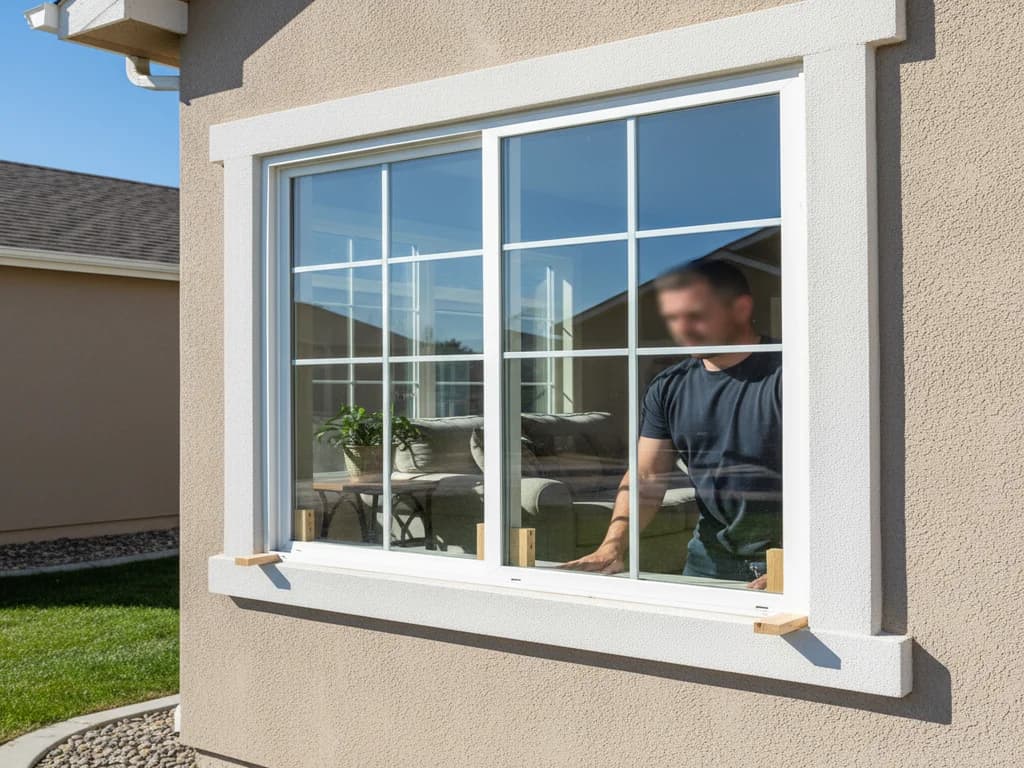
Classic double-hung replacement windows — both sashes operate, easy to clean, fit nearly any home style.
Learn more →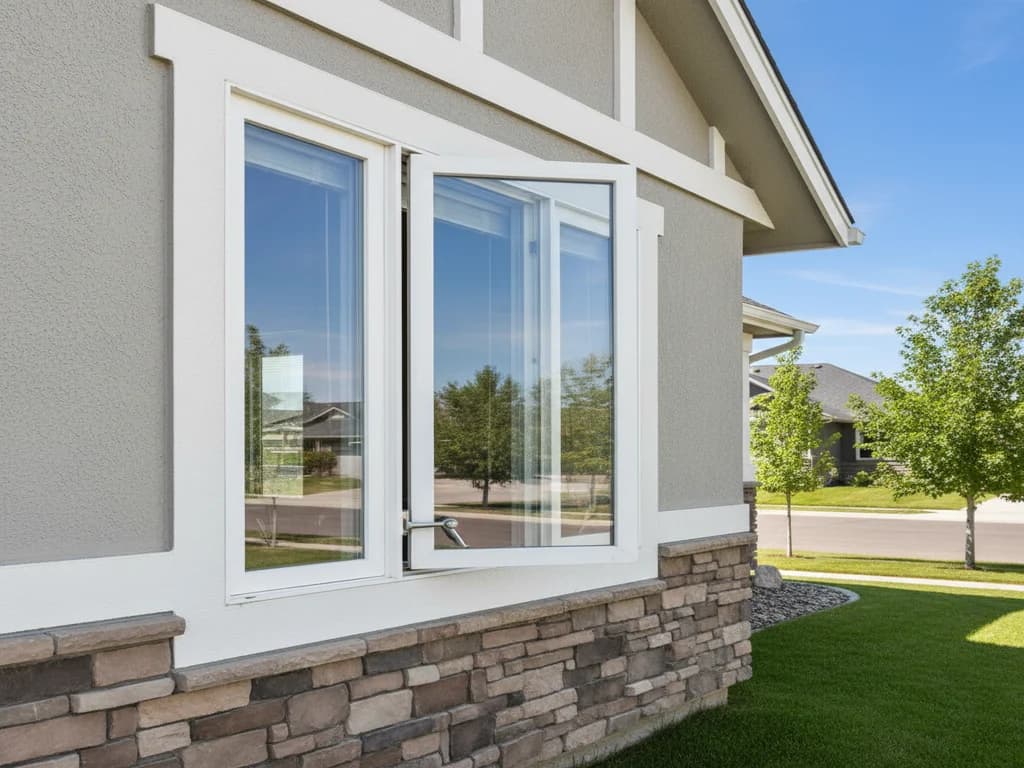
Casement Windows
Crank-out casement windows that seal tight and catch a breeze — great for hard-to-reach spots.
Learn more →Slider Windows
Horizontal slider windows — smooth operation, wide views, a fit for modern and ranch homes.
Learn more →Picture Windows
Fixed picture windows for big, unobstructed views and maximum daylight with top energy performance.
Learn more →Vinyl Windows
Low-maintenance vinyl windows with strong energy performance at a budget-friendly price.
Learn more →Fiberglass Windows
Strong, stable fiberglass windows that handle Idaho temperature swings with minimal expansion.
Learn more →Brands We Install
Milgard® Windows
Installation and replacement of Milgard® vinyl and fiberglass windows across the Treasure Valley.
Learn more →Andersen® Windows
Installation and replacement of Andersen® windows — composite, wood, and vinyl lines.
Learn more →Marvin® Windows
Installation and replacement of Marvin® windows — fiberglass and wood-clad lines for premium builds.
Learn more →Pella® Windows
Installation and replacement of Pella® windows — wood, fiberglass, and vinyl lines.
Learn more →Repair & Specialty
Egress Windows
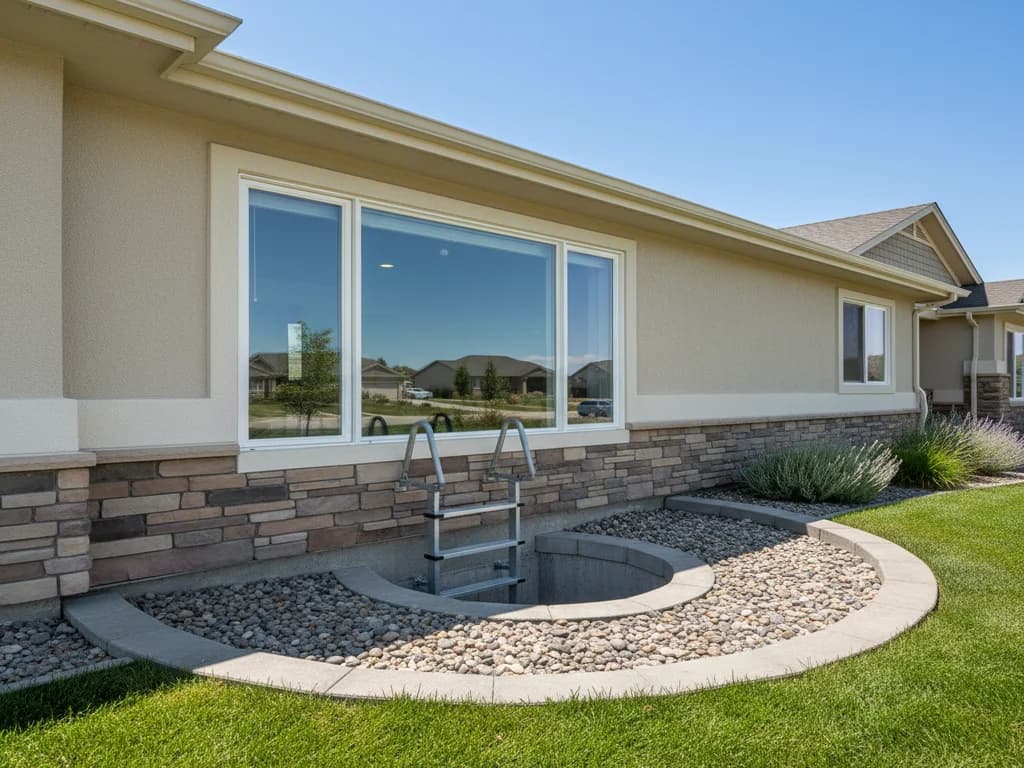
Code-compliant egress windows for basements and bedrooms — safe exits and more daylight below grade.
Learn more →Energy-Efficient Windows
Low-E, multi-pane windows that cut drafts and tame Treasure Valley heating and cooling bills.
Learn more →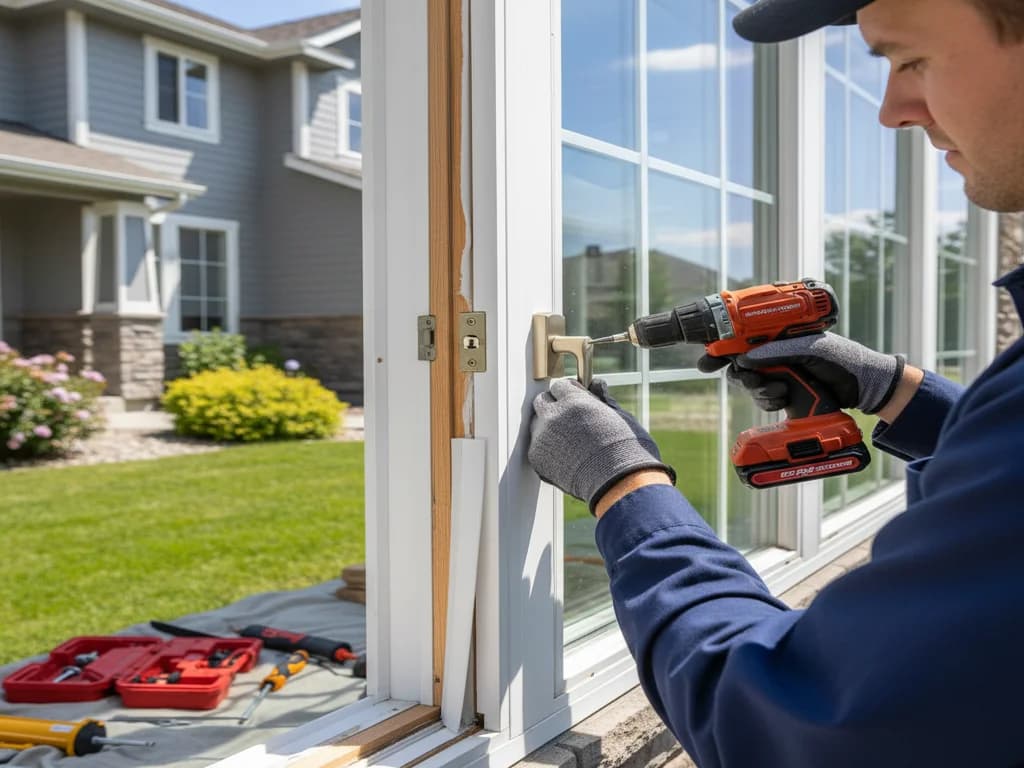
Window Repair
Fogged glass, failed seals, broken hardware, and drafty windows repaired — or replaced if it's smarter.
Learn more →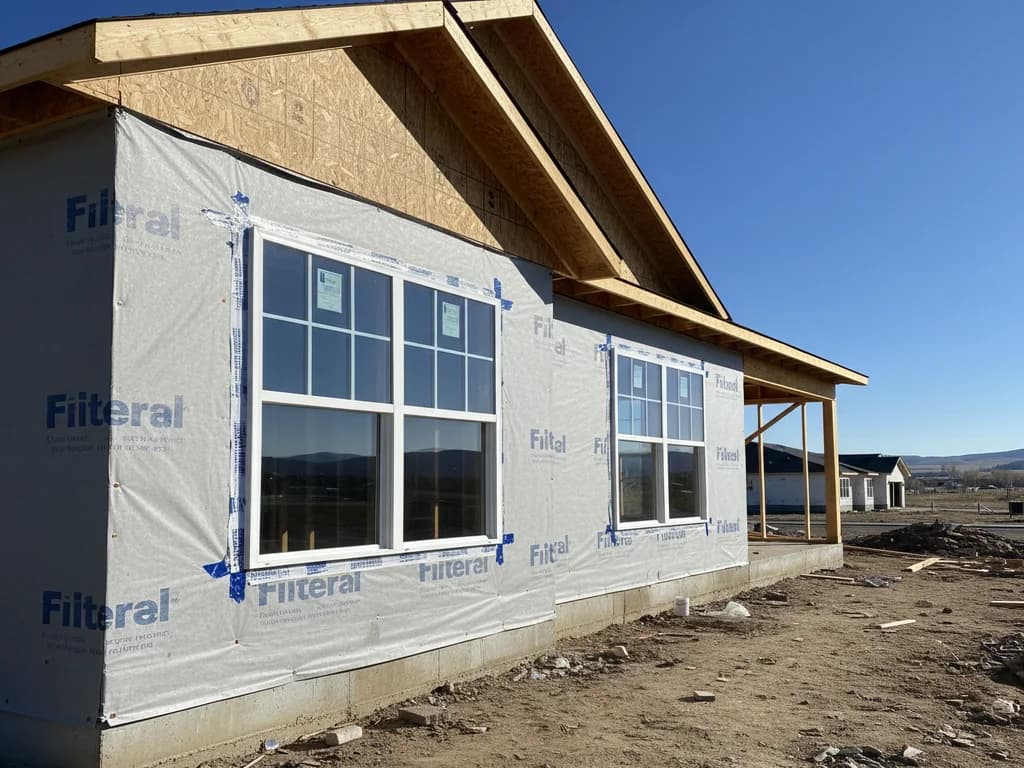
Helpful guides
Plain, local guidance to research bay & bow windows before you commit.
Sources & references
How we back what we say
Our recommendations follow building code, manufacturer specifications, and federal efficiency standards — not sales scripts. These are the primary sources behind the guidance on this page.
- ENERGY STAR Windows, Doors & SkylightsU.S. EPA / ENERGY STAR
Federal efficiency criteria and the climate-zone requirements that determine which windows qualify in Idaho's Northern climate zone.
- Energy-Efficient WindowsU.S. Department of Energy
How U-factor, SHGC, glazing, gas fills, and frame materials affect comfort and energy bills.
- Window Energy Performance RatingsNational Fenestration Rating Council (NFRC)
The independent rating system behind the U-factor and SHGC numbers on every window's NFRC label.
- Renovation, Repair and Painting (RRP) RuleU.S. Environmental Protection Agency
Federal lead-safe work practices required when disturbing painted surfaces on homes built before 1978 — relevant to siding tear-offs and window/door replacement on older Treasure Valley homes.
- Idaho Contractor RegistrationIdaho Division of Building Safety
Idaho's contractor registration program (RCE numbers). You can verify any Idaho contractor's registration status here.
- International Residential Code (IRC)International Code Council
The model residential building code Idaho jurisdictions adopt — governs weather-resistive barriers, flashing, fastening, and egress that exterior work must meet.
- Energy Saver: WeatherizeU.S. Department of Energy
DOE guidance on air sealing and the building envelope — the principles behind proper flashing, weather barriers, and sealing.
Need bay & bow windows done right?
Tell us about your siding, window, or door project — we'll come take a look and give you a straight, free estimate.