Treasure Valley Doors
Fiberglass Entry Doors in the Treasure Valley
Fiberglass entry doors — the low-maintenance workhorse
Fiberglass is the entry door we recommend most often in the Treasure Valley, and for one simple reason: it asks the least of you over its life. The skin is a tough composite that won't dent like steel, won't rot or warp like wood, and won't swell shut in a humid spell or stick in the July heat. For a busy household that just wants a front door to look good and work right for decades, it's hard to beat.
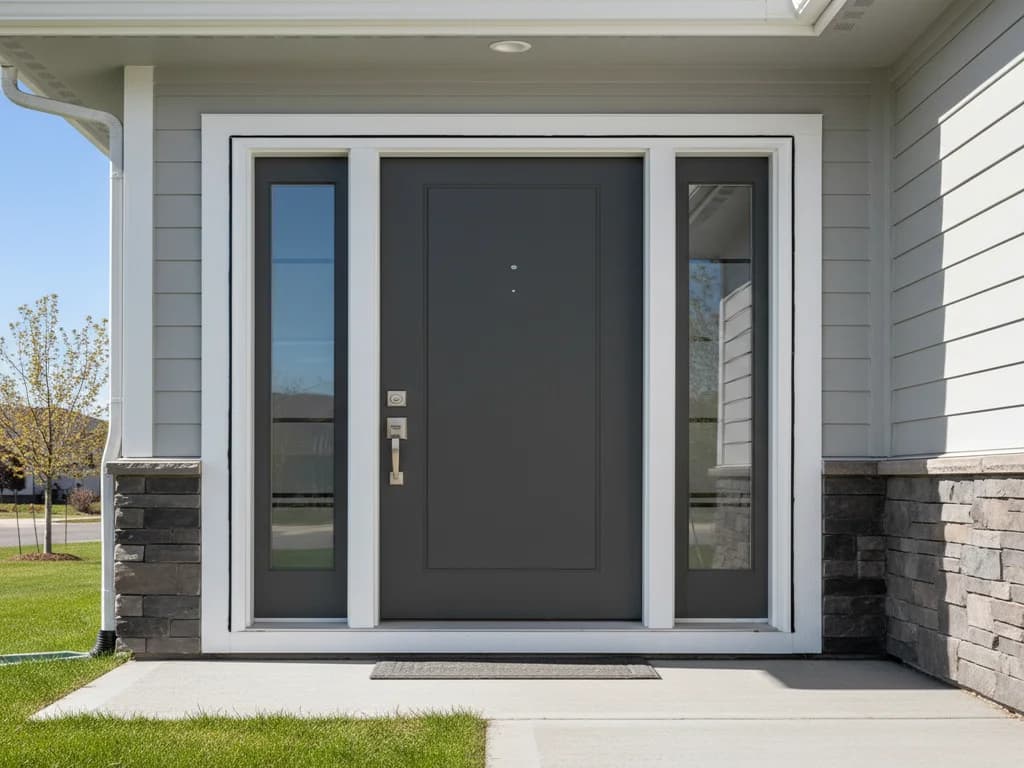
Modern fiberglass comes in two looks — smooth, paintable surfaces for a clean contemporary entry, and deeply molded wood-grain textures that, stained, read like real oak or mahogany from the curb without any of the maintenance solid wood demands. We install both, with or without sidelights and decorative glass, so you can get the high-end look without committing to refinishing every few years.
Performance is where fiberglass quietly wins. The doors are built around an insulating foam core, so they hold heat in winter and out in summer far better than a hollow or solid-wood slab, and the material doesn't conduct cold the way steel can. Paired with tight weatherstripping and a sealed threshold, a fiberglass entry is one of the more energy-sensible upgrades you can make to an older Idaho home's facade.
We'll be straight about the trade-off: a quality fiberglass door costs more up front than a basic steel door. What you're buying is decades of low maintenance and better insulation — and for most owners staying in the home, that math works out.
What's included
- Wood-grain & smooth finishes
- Dent, rot & warp resistant
- Insulated energy-efficient core
- Sidelights & glass options
- Factory or field finishing
Our process
How we handle fiberglass entry doors
- 01
Measure & assess
We measure the opening, check the frame and threshold for rot or movement, and confirm the slab style, finish, and glass before quoting.
- 02
Finish & glass selection
We lay out smooth-paint versus wood-grain-for-stain options along with glass and sidelight choices so you see the look before ordering.
- 03
Removal & opening prep
The old door and frame come out and we repair any rot or out-of-square framing so the fiberglass unit sits on a sound, true opening.
- 04
Set, shim & flash
The door is set plumb and square, shimmed, and flashed and sealed at sill and jambs so water sheds out and air stays sealed.
- 05
Hardware & weather seal
Lockset, deadbolt, hinges, threshold, and weatherstrip are installed and adjusted for a solid latch and a tight perimeter seal.
- 06
Finishing & walkthrough
We handle factory or field finishing as specified, finish the trim, clean up, and walk the result with you.
In the Treasure Valley
Built for local homes & weather
Fiberglass shrugs off the exact stresses that wear out other front doors here — it won't warp under all-day summer sun on a west elevation and won't stick or swell through freeze-thaw, so it stays operating smoothly year-round.
Because the wood-grain finishes satisfy most HOA architectural-review preferences for a wood look, fiberglass is an easy approval in newer Meridian, Eagle, and Kuna subdivisions. We'll help with the color submittal if your neighborhood requires it.
Fiberglass Entry Doors FAQs
Does a fiberglass door really look like wood?
The molded wood-grain doors, properly stained, read convincingly as real wood from the curb and even up close — the grain texture is molded into the skin. Smooth versions give a clean painted look instead. We'll show you both so you can judge for your home.
Why choose fiberglass over steel?
Fiberglass won't dent and doesn't conduct cold the way steel does, so it tends to insulate better and look better longer; steel is tougher to pry and usually cheaper. For most owners staying in the home, fiberglass wins on maintenance and energy; for tight budgets or maximum pry-resistance, steel can make more sense. We compare both honestly.
Will it rot or warp like wood?
No — the fiberglass skin doesn't absorb water, so it won't rot, and it won't warp or swell with our temperature and humidity swings the way solid wood can. That's the main reason we recommend it so often here.
Can it be painted or stained later?
Yes. Smooth fiberglass takes paint and wood-grain fiberglass takes stain or paint, so you can refresh or change the color down the road. We'll advise on the right products for a fiberglass surface so the finish holds up to our sun.
What affects the price?
The slab style and finish, glass and sidelight options, hardware, and any frame or opening repair found on removal. A wood-grain stained unit with sidelights and decorative glass costs more than a plain smooth door. We quote after measuring.
Why do installers often recommend fiberglass entry doors for Idaho homes?
Fiberglass won't rot, won't warp, and won't rust, which holds up well through the Treasure Valley's hot, dry summers and freezing winters. The skins can be smooth for a painted look or molded with a wood grain that takes stain, so you get the appearance of wood without the seasonal maintenance. The insulated core also helps the door hold its weather seal over time.
Do fiberglass doors fade or need refinishing?
Stained fiberglass doors with a clear topcoat will eventually need the finish refreshed if they face strong direct sun, but the fiberglass itself doesn't deteriorate like wood. Painted fiberglass holds color well and is easy to recoat. Compared to a real wood door, the upkeep is much lighter and on a longer cycle.
Can a fiberglass door be made to look like real wood?
Yes. Molded fiberglass skins reproduce grain patterns like oak, mahogany, or fir, and they accept stain so the finished door reads as wood from a few feet away. This is a common pick for homeowners who want the warmth of wood without the refinishing and warping risk. The available grain and panel styles depend on the line you choose.
How does the cost of a fiberglass entry door compare to steel or wood?
Material cost generally lands between steel and solid wood, with glass inserts, sidelights, and stainable grain options pushing it higher. Because it resists rot and warping, it avoids some of the long-term maintenance costs a wood door can carry. As always, glass, size, sidelights, hardware, and frame condition drive the final number, so a free on-site estimate gives you a real figure.
How long do fiberglass entry doors last?
A well-installed fiberglass door typically lasts for decades because the slab doesn't rot, dent like steel, or warp like wood. The parts that wear are usually the weatherstripping, threshold, and hardware, which are serviceable. Keeping the finish intact on stained doors and the seal tight extends its life further.
Other doors types we install
Explore the rest of our doors materials and services across the Treasure Valley.
Materials
Entry Doors
Front entry doors that seal tight, secure the home, and set the curb appeal — fiberglass, steel, or wood.
Learn more →Steel Entry Doors
Tough, budget-friendly steel entry doors — strong security and solid energy value.
Learn more →Wood Entry Doors
Solid and stain-grade wood entry doors for classic, high-end curb appeal.
Learn more →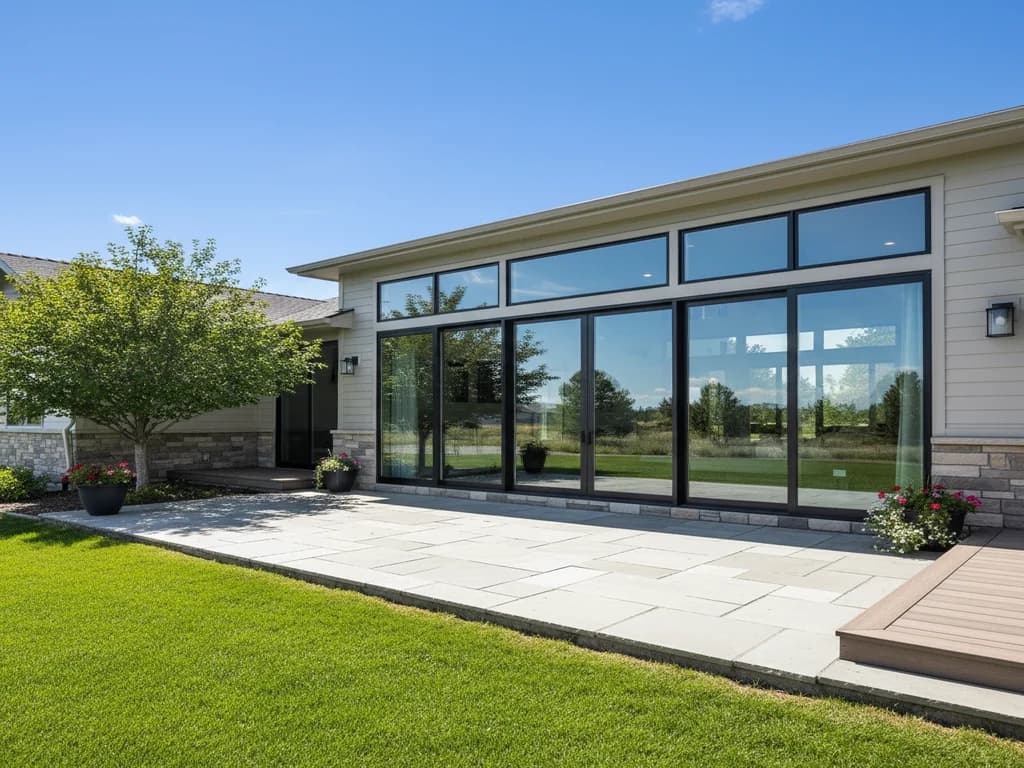
Patio Doors
Patio doors that connect indoor and outdoor living — sliding or hinged French, energy-sealed.
Learn more →Sliding Patio Doors
Space-saving sliding glass patio doors with big views and smooth, secure operation.
Learn more →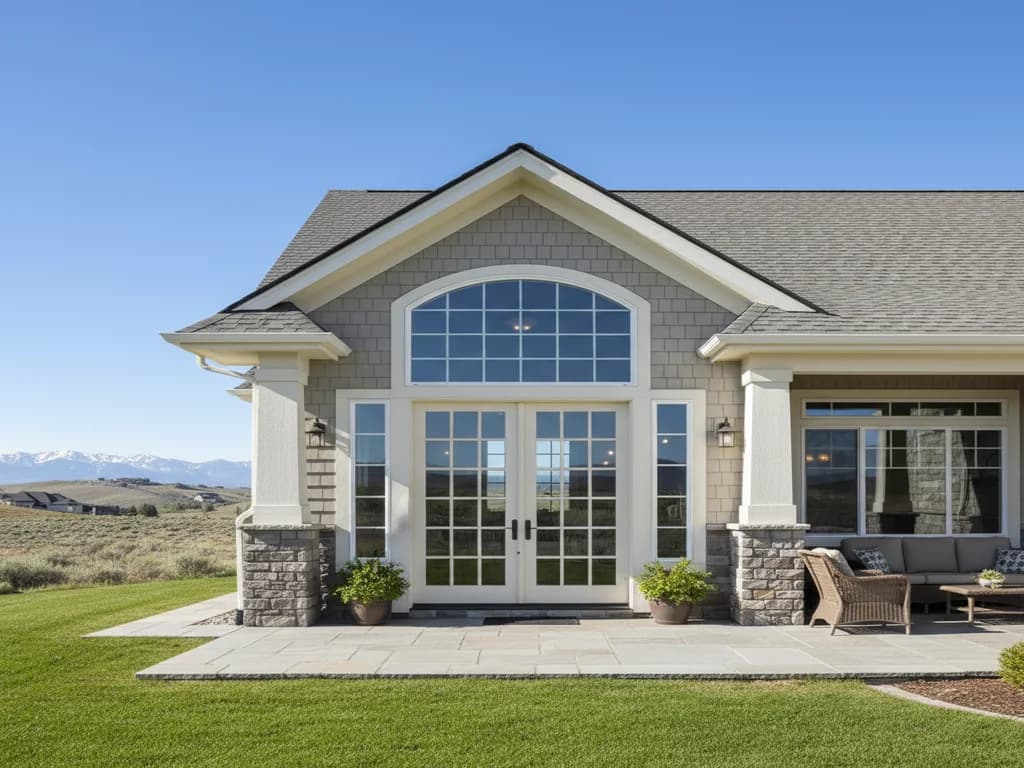
French Doors
Hinged French doors — interior or exterior — for a classic, wide-open connection between spaces.
Learn more →Brands We Install
Therma-Tru® Doors
Installation of Therma-Tru® fiberglass and steel entry door systems across the Treasure Valley.
Learn more →ProVia® Doors
Installation of ProVia® entry, storm, and security doors — known for fit and finish.
Learn more →Pella® Doors
Installation of Pella® entry and patio doors — wood, fiberglass, and vinyl lines.
Learn more →Masonite® Doors
Installation of Masonite® exterior door lines — fiberglass and steel entry options.
Learn more →Repair & Specialty
Storm Doors
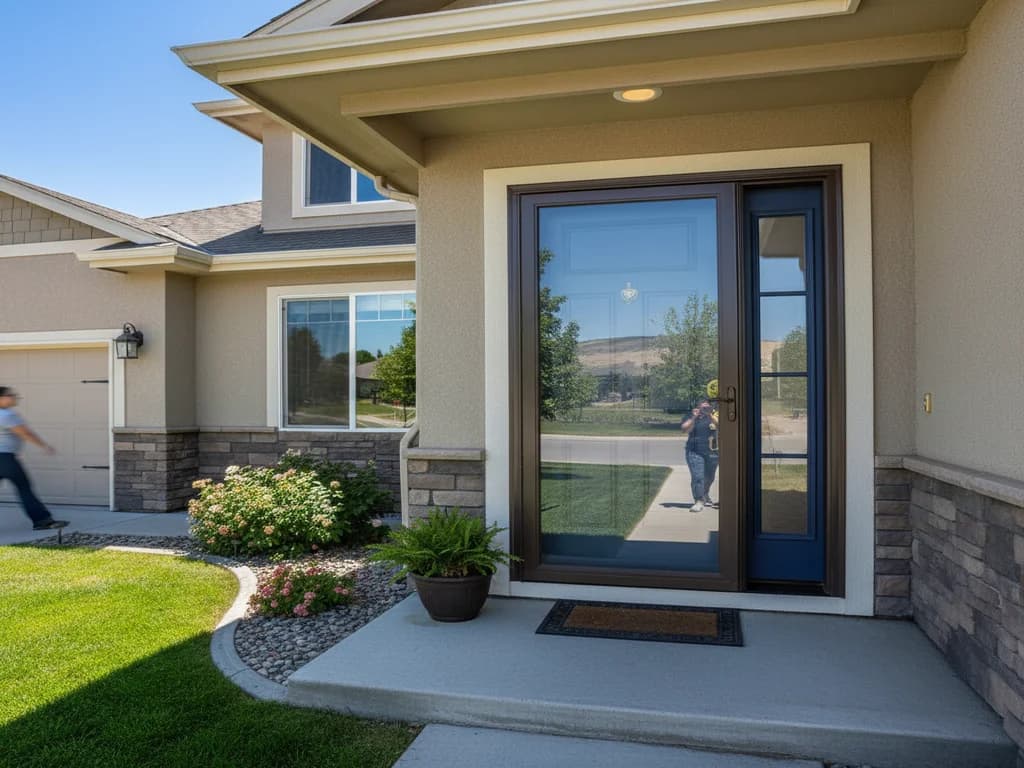
Storm doors that add a weather and energy buffer while protecting your entry door year-round.
Learn more →
Security Doors
Security and storm-security doors that harden the entry without sacrificing curb appeal.
Learn more →
Door Repair
Drafty, sticking, or damaged exterior doors repaired — weatherstripping, hardware, alignment, and glass.
Learn more →
Helpful guides
Plain, local guidance to research fiberglass entry doors before you commit.
Sources & references
How we back what we say
Our recommendations follow building code, manufacturer specifications, and federal efficiency standards — not sales scripts. These are the primary sources behind the guidance on this page.
- Exterior DoorsU.S. Department of Energy
DOE guidance on door materials, cores, weatherstripping, and how doors gain and lose heat.
- ENERGY STAR Exterior DoorsU.S. EPA / ENERGY STAR
Efficiency criteria for qualified entry and patio doors by climate zone.
- Therma-Tru Entry Door SystemsTherma-Tru Doors
Manufacturer product data and installation resources for fiberglass and steel entry door systems.
- Renovation, Repair and Painting (RRP) RuleU.S. Environmental Protection Agency
Federal lead-safe work practices required when disturbing painted surfaces on homes built before 1978 — relevant to siding tear-offs and window/door replacement on older Treasure Valley homes.
- Idaho Contractor RegistrationIdaho Division of Building Safety
Idaho's contractor registration program (RCE numbers). You can verify any Idaho contractor's registration status here.
- International Residential Code (IRC)International Code Council
The model residential building code Idaho jurisdictions adopt — governs weather-resistive barriers, flashing, fastening, and egress that exterior work must meet.
- Energy Saver: WeatherizeU.S. Department of Energy
DOE guidance on air sealing and the building envelope — the principles behind proper flashing, weather barriers, and sealing.
Need fiberglass entry doors done right?
Tell us about your siding, window, or door project — we'll come take a look and give you a straight, free estimate.