Treasure Valley Exteriors
Exterior Doors in the Treasure Valley
Secure, energy-sealed entry, patio & storm doors
An exterior door is asked to do a lot at once: make a first impression, lock securely against intruders, swing and latch smoothly thousands of times a year, and seal an opening in the wall tightly enough to keep out wind, water, and the valley's temperature extremes. When any one of those jobs slips — a drafty threshold, a lock that no longer aligns, a door that swells and sticks in summer — the rest usually aren't far behind. Iron Crest Exteriors installs exterior doors across the Treasure Valley: entry and front doors in fiberglass, steel, and wood; sliding and French patio doors; and storm doors that add a protective outer layer to any opening.
Material sets the tone for performance, security, and maintenance. Fiberglass is the workhorse for our climate — it won't warp, rust, rot, or conduct cold the way other materials can, holds a finish well, and can convincingly mimic wood grain. Steel is strong and budget-friendly and resists forced entry well, though it can dent and will conduct cold unless it's a quality insulated unit with a thermal break. Wood is the most beautiful and customizable option and the most demanding to maintain, since our dry air and big temperature swings can check, warp, or fade an unprotected slab over time. We walk you through the trade-offs honestly rather than pushing a single product.
Patio doors are their own category. Sliding (gliding) doors are space-efficient and give a wide glass view, while French (hinged) doors open fully for a more traditional look and easier furniture movement. Either way, the glass package matters the same way it does on windows — low-E, insulated glass keeps the comfort in — and the threshold and rollers or hinges have to be set precisely so a wide, heavy unit keeps gliding and sealing for years.
Security and weather-tightness come down to the details: a solid frame, properly adjusted hinges or rollers, intact weatherstripping, a tight threshold, and quality hardware — including deadbolts and, if you want them, smart locks. We install doors with proper shimming, flashing at the head and sill, and snug perimeter sealing so the opening is weather-tight, secure, and good-looking from the day we finish.
Door Types We Install
Every doors material and service we install across the Treasure Valley — each with distinct advantages for Idaho's climate. Explore the options below.
Materials
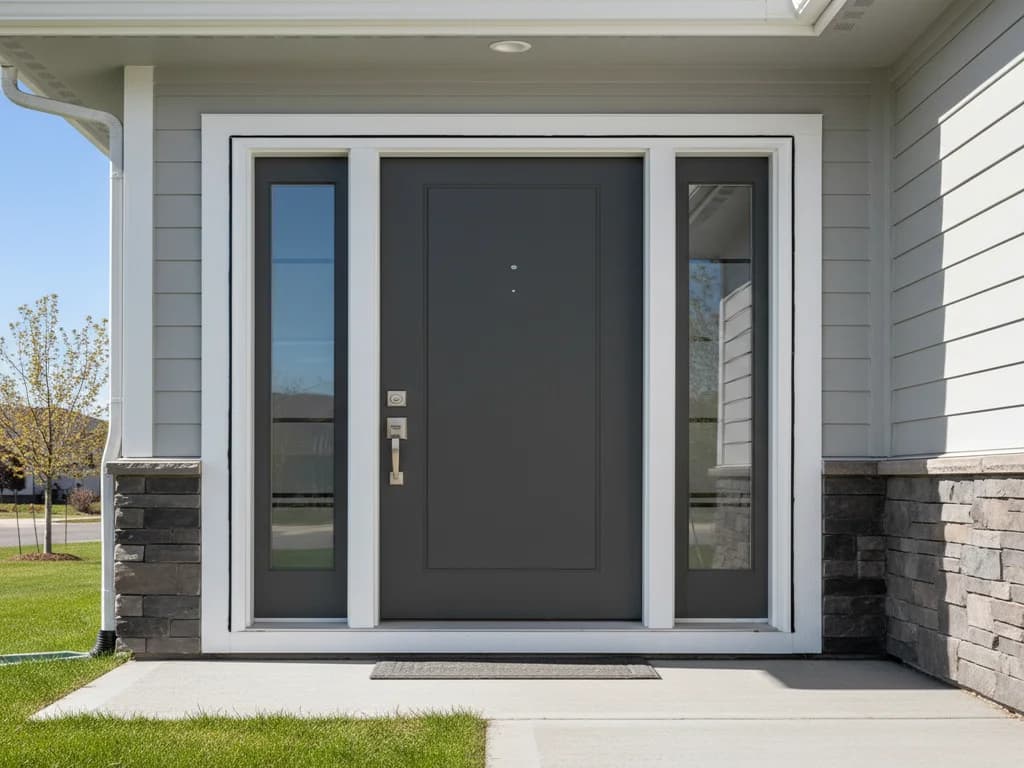
Entry Doors
Front entry doors that seal tight, secure the home, and set the curb appeal — fiberglass, steel, or wood.
Learn more →Fiberglass Entry Doors
Low-maintenance fiberglass entry doors that resist dents, won't rot or warp, and mimic real wood grain.
Learn more →Steel Entry Doors
Tough, budget-friendly steel entry doors — strong security and solid energy value.
Learn more →Wood Entry Doors
Solid and stain-grade wood entry doors for classic, high-end curb appeal.
Learn more →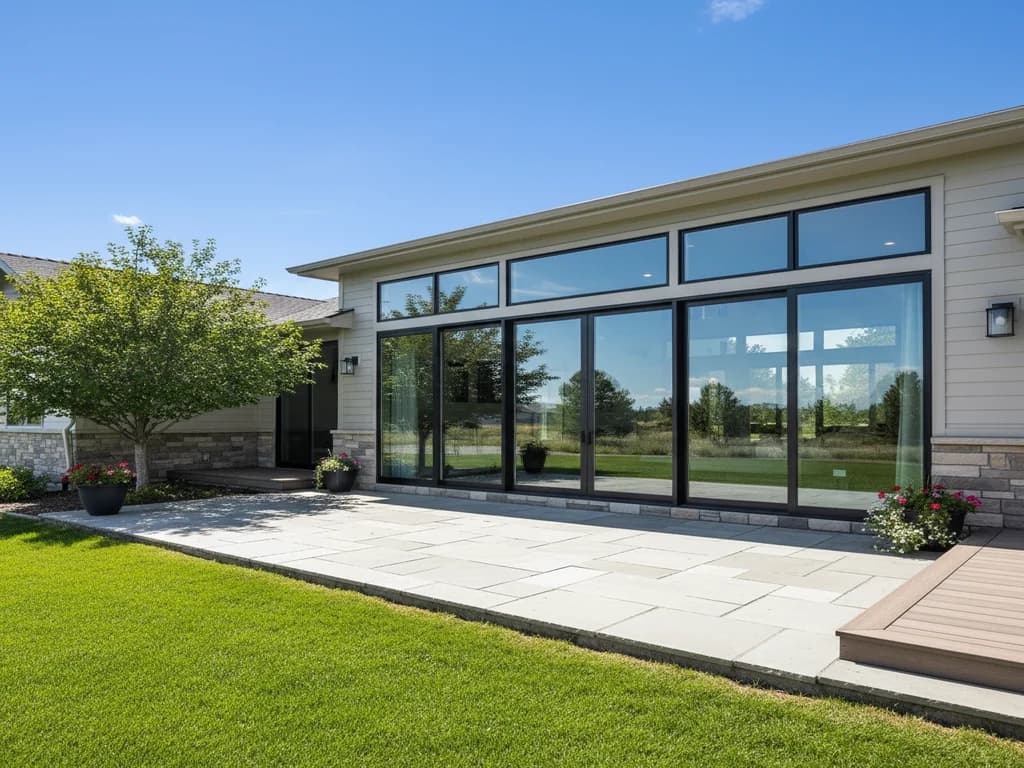
Patio Doors
Patio doors that connect indoor and outdoor living — sliding or hinged French, energy-sealed.
Learn more →Sliding Patio Doors
Space-saving sliding glass patio doors with big views and smooth, secure operation.
Learn more →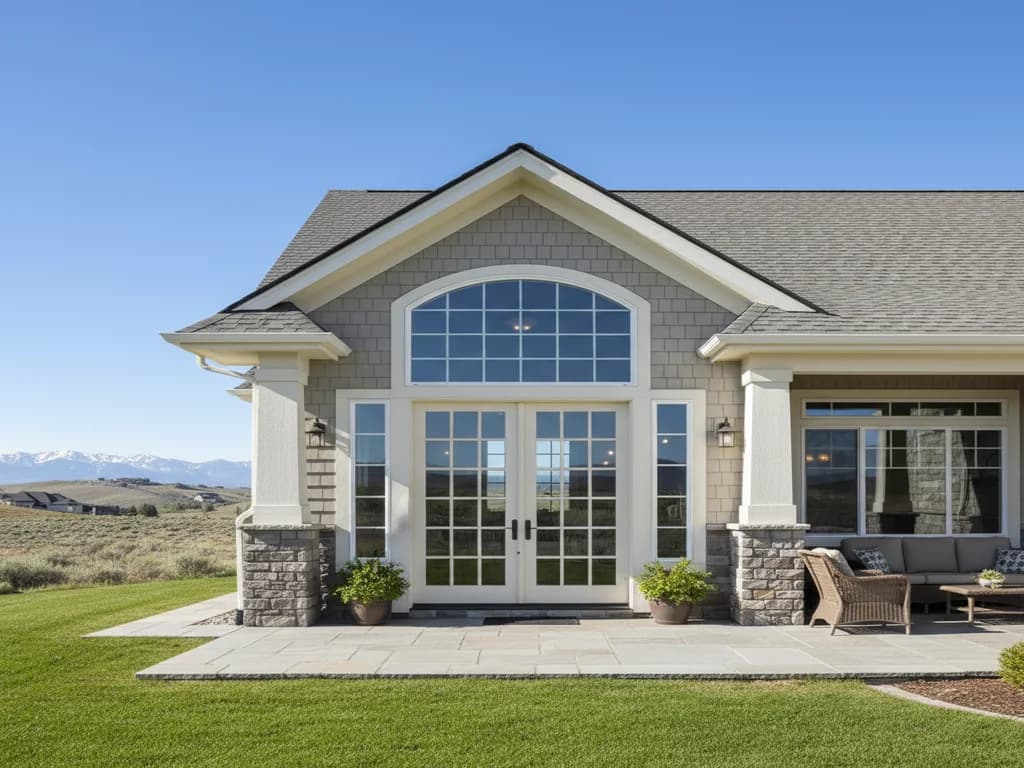
French Doors
Hinged French doors — interior or exterior — for a classic, wide-open connection between spaces.
Learn more →Brands We Install
Therma-Tru® Doors
Installation of Therma-Tru® fiberglass and steel entry door systems across the Treasure Valley.
Learn more →ProVia® Doors
Installation of ProVia® entry, storm, and security doors — known for fit and finish.
Learn more →Pella® Doors
Installation of Pella® entry and patio doors — wood, fiberglass, and vinyl lines.
Learn more →Masonite® Doors
Installation of Masonite® exterior door lines — fiberglass and steel entry options.
Learn more →Repair & Specialty
Storm Doors
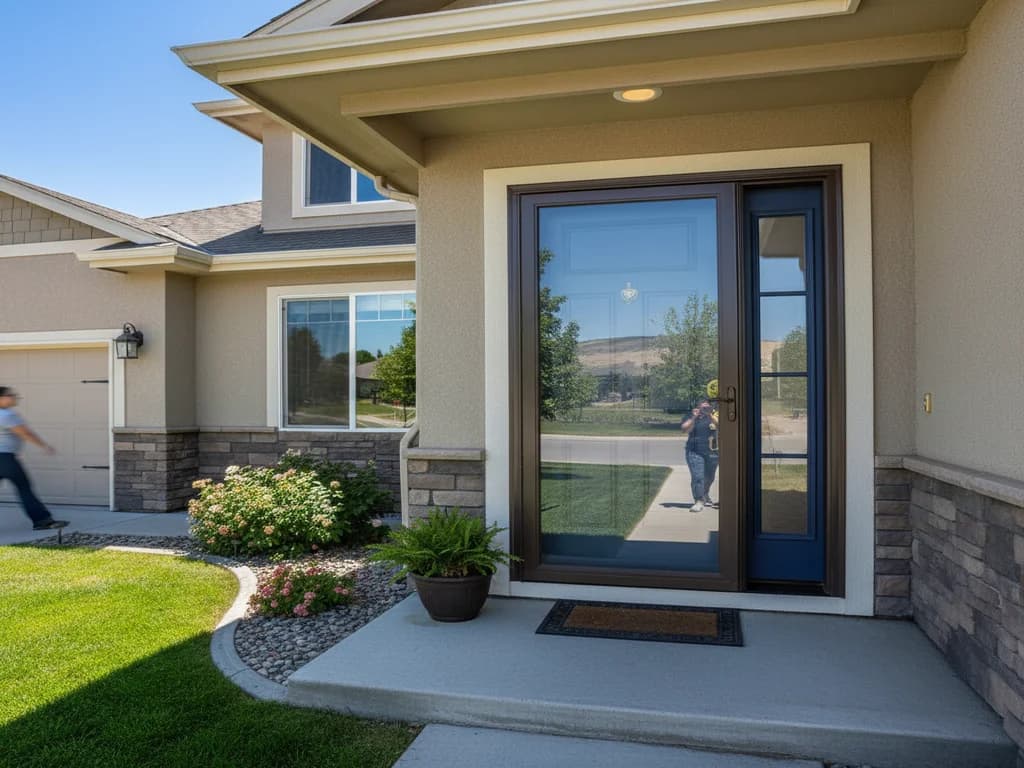
Storm doors that add a weather and energy buffer while protecting your entry door year-round.
Learn more →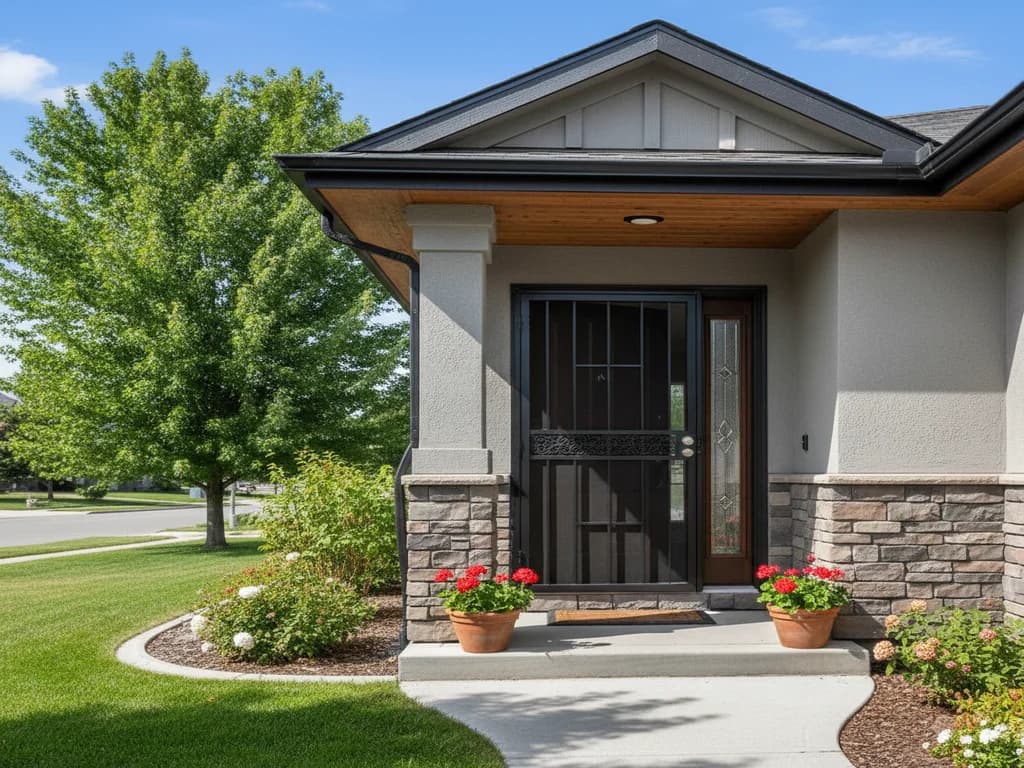
Security Doors
Security and storm-security doors that harden the entry without sacrificing curb appeal.
Learn more →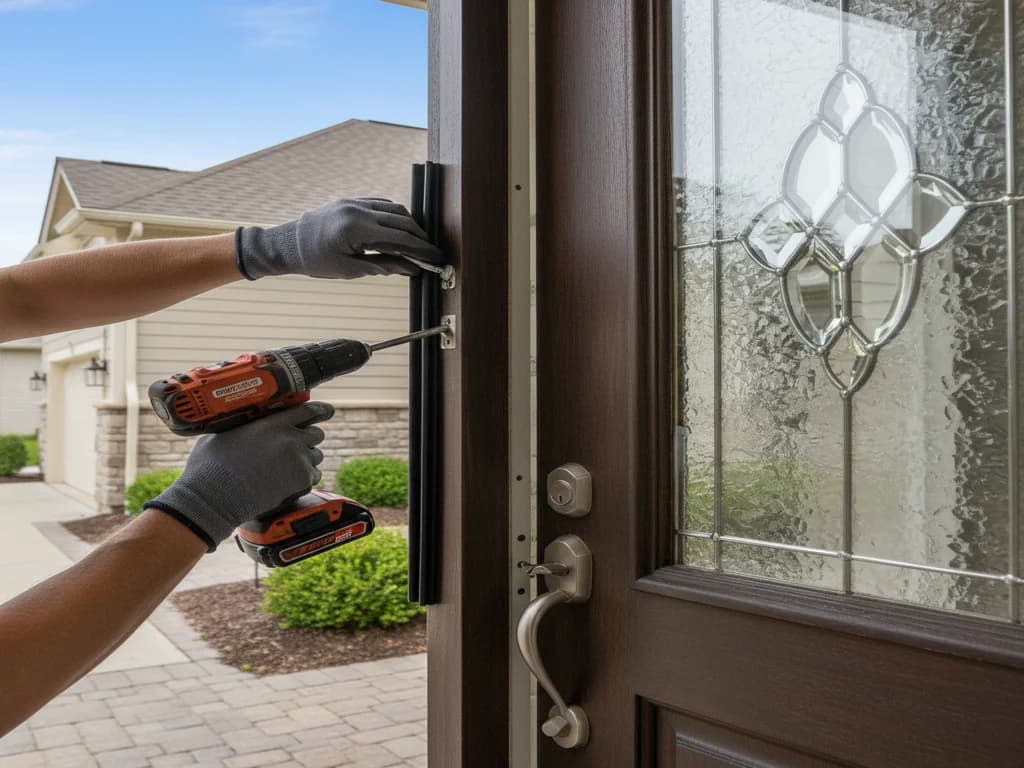
Door Repair
Drafty, sticking, or damaged exterior doors repaired — weatherstripping, hardware, alignment, and glass.
Learn more →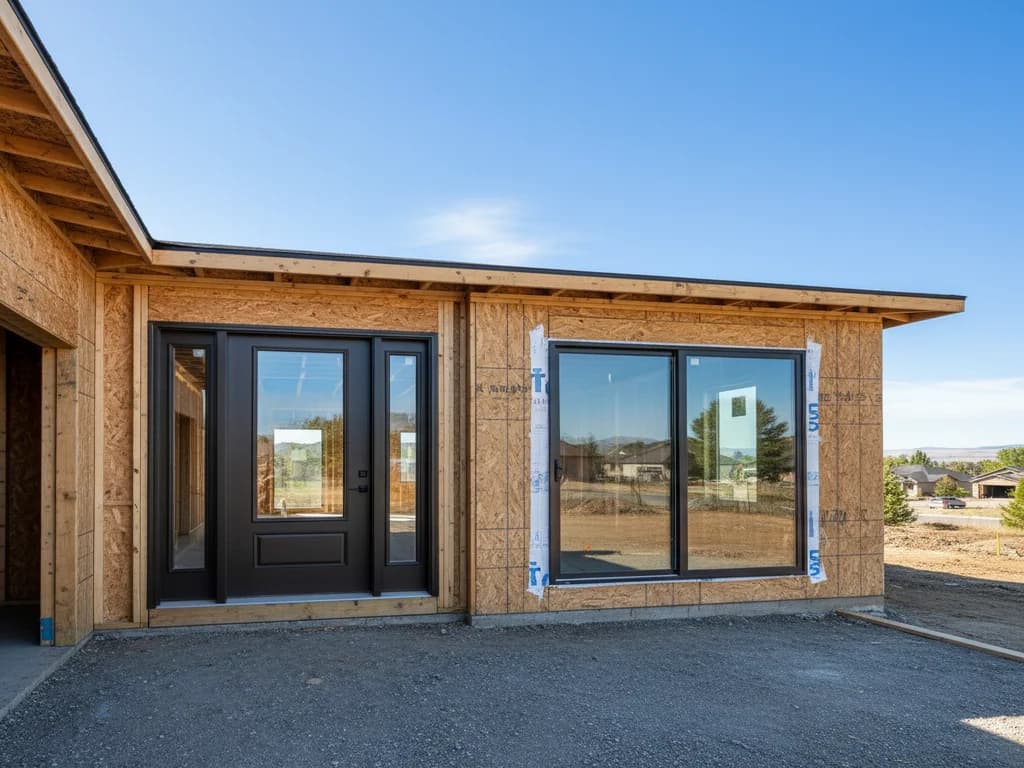
Our process
How we handle exterior doors
- 01
Free on-site consultation and assessment
We look at the existing door, check the rough opening and surrounding framing for rot or racking, confirm the swing and sizing, and discuss security, style, and energy goals. You get a written estimate scoped to what the opening actually needs.
- 02
Door and hardware selection
We walk you through fiberglass, steel, and wood entry options, sliding versus French patio configurations, storm doors, and glass and sidelight choices — plus hardware, deadbolts, and smart-lock options — with honest guidance on durability, security, energy performance, and cost.
- 03
Removal and rough opening prep
The old door and frame come out, the rough opening is inspected, and any rotted or damaged framing and sill is repaired so the new unit sets into sound, square structure rather than masking a problem.
- 04
Setting, flashing, and sealing
The door is set plumb, level, and square, then shimmed and fastened so it swings true and the latch and deadbolt align. We flash the head and sill to manage water at the opening and air-seal the perimeter so heat isn't lost around the frame.
- 05
Threshold, weatherstripping, and hardware
The threshold is adjusted and the weatherstripping seated for a tight, even seal all the way around. We install and test the lockset and deadbolt — or your smart lock — so everything operates smoothly and secures fully.
- 06
Cleanup and walkthrough
We finish the trim, clean up the work area, and walk the door with you — opening, closing, latching, locking, and checking the seal — before we consider the job complete.
In the Treasure Valley
Built for local homes & weather
Treasure Valley winters test exterior doors hard. Cold temperatures, dry winds, and occasional ice wear threshold seals and weatherstripping faster than in milder climates, and the same dryness that fades and checks unprotected wood can shrink seals until a once-tight door starts whistling and leaking heat. Original steel doors on 1990s-era homes often have a foam core that's lost much of its insulating value, and older wood doors can warp enough that they no longer seat against the jamb — both common reasons homeowners here finally replace a door.
Many newer Meridian, Eagle, Star, Nampa, and Kuna subdivisions sit under HOA architectural review, which can govern front-door color, style, and even glass and sidelight choices. We help you select a door that satisfies the committee while delivering the security and curb appeal you're after. Entry replacements are also a prime curb-appeal upgrade before listing a home, and we're glad to advise on choices that read well to buyers.
Most Treasure Valley jurisdictions require a permit when an exterior door involves altering the opening or framing, and energy-code provisions can apply to the door's efficiency. We coordinate the permit where it's required so the work is inspected and documented.
Exterior Doors FAQs
What's the best exterior door material for Idaho?
Fiberglass is the most well-rounded choice for our climate — it won't warp, rust, rot, or conduct cold the way other materials can, it holds a finish, and quality units mimic wood convincingly with very little maintenance. Steel is strong, affordable, and resists forced entry well, but it can dent and needs a good insulated core and thermal break to avoid conducting cold. Wood is the most beautiful and customizable but the most maintenance-intensive here, since our dry air and temperature swings can check, warp, or fade it. We'll match the recommendation to your priorities for looks, security, energy, and upkeep.
How does a new entry door improve security?
Security comes from the whole assembly, not just the slab. A solid, properly insulated door in a sound, square frame, set with the strike plate and deadbolt correctly aligned and anchored into the framing, resists forced entry far better than a tired old unit with a sagging frame and a misaligned latch. We can also install reinforced strike plates, quality deadbolts, and smart locks. A door that's hung true and latches cleanly is both more secure and more pleasant to use every day.
Should I get a sliding or French patio door?
Sliding (gliding) doors are space-efficient — nothing swings into the room — and give you a wide expanse of glass and view, which suits tighter spaces. French (hinged) doors open fully for a more traditional look, easier movement of furniture, and a stronger architectural statement, but they need clearance to swing. Both can come with low-E insulated glass for comfort. We'll help you weigh the space, the look, and how you actually use the opening, and we install both with proper flashing and threshold sealing.
Can you install a door with sidelights and a transom?
Yes. We install complete entry assemblies including sidelights, transoms, and multi-panel configurations, flashed and sealed as one integrated opening. These dramatically change the look and the natural light of an entry, and we size and set them so the whole unit operates and seals as it should.
What drives the cost of a door installation?
The main factors are the material and quality of the door, the size and complexity of the assembly (a single slab versus a full entry with sidelights and a transom, or a wide multi-panel patio door), the glass package, the hardware you choose, and the condition of the rough opening once we open it up. Repairing rotted framing or a damaged sill, or enlarging an opening, adds to the scope. We give a written estimate after seeing the opening rather than guessing over the phone.
How do I keep an exterior door sealing well in this climate?
Check the weatherstripping and threshold seasonally — our dry winters are hard on seals, and weatherstripping is a wear item that's easy to replace before it lets in drafts. Keep the threshold adjustment snug, lubricate hinges or rollers, and keep finishes intact, especially on wood or painted units exposed to sun. A properly installed door makes this easy; we'll point out what to watch for at the final walkthrough.
How long does door installation take, and is a permit required?
A straightforward single-door swap is typically a half-day to full-day job. Full entry assemblies with sidelights, wide patio doors, or openings that need framing repair take longer. In most Treasure Valley jurisdictions a permit is required when the work alters the opening or framing, and energy-code provisions can apply — we coordinate that where it's needed and give you a realistic timeline at the estimate.
What drives the cost of replacing an exterior door in the Treasure Valley?
The biggest cost factors are the door material (steel, fiberglass, or wood), whether you add glass, sidelights, or a transom, and whether the unit is a slab or a pre-hung door with a new frame. Hardware choice, door size, and the condition of the existing jamb and threshold also matter, since rotted framing or out-of-square openings add labor. We give a free on-site estimate so the price reflects your actual opening, not a guess.
How long does an exterior door replacement usually take?
A straightforward pre-hung swap on a sound, square opening is typically a one-day job. Adding sidelights, a transom, or correcting rot and framing problems extends the timeline because we have to rebuild part of the opening before the new unit goes in. We confirm the scope at the estimate so you know what to expect before we start.
Do I need a permit to replace an exterior door in Boise or Meridian?
A like-for-like door swap in the same opening usually doesn't require a permit, but enlarging the opening, cutting a new doorway, or structural changes generally do under the locally adopted International Residential Code. Permit rules vary between Ada and Canyon County jurisdictions. We confirm what your city requires before work begins so nothing gets flagged later.
Will my HOA need to approve a new front door color or style?
Many Treasure Valley subdivisions have CC&Rs that restrict exterior door colors, styles, and glass on street-facing elevations, so approval is common. It's worth checking with your HOA's architectural committee before ordering, since custom finishes and special glass can be hard to change once produced. We can help you document the proposed door for your submittal.
What are the signs it's time to replace an exterior door instead of repairing it?
Daylight or drafts around the edges, a door that sticks or won't latch cleanly, soft or rotted spots at the bottom, and a frame that's pulling away from the wall all point to replacement. Steel doors with widespread rust-through and wood doors that have warped past adjustment are usually past repair. If only the weatherstripping, hinges, or threshold are worn, a repair often makes more sense.
Pairs well with
Exterior projects often combine a few of these — one crew handles the whole job.
Helpful guides
Research the trade-offs before you commit — plain, local guidance on exterior doors.
Sources & references
How we back what we say
Our recommendations follow building code, manufacturer specifications, and federal efficiency standards — not sales scripts. These are the primary sources behind the guidance on this page.
- Exterior DoorsU.S. Department of Energy
DOE guidance on door materials, cores, weatherstripping, and how doors gain and lose heat.
- ENERGY STAR Exterior DoorsU.S. EPA / ENERGY STAR
Efficiency criteria for qualified entry and patio doors by climate zone.
- Therma-Tru Entry Door SystemsTherma-Tru Doors
Manufacturer product data and installation resources for fiberglass and steel entry door systems.
- Renovation, Repair and Painting (RRP) RuleU.S. Environmental Protection Agency
Federal lead-safe work practices required when disturbing painted surfaces on homes built before 1978 — relevant to siding tear-offs and window/door replacement on older Treasure Valley homes.
- Idaho Contractor RegistrationIdaho Division of Building Safety
Idaho's contractor registration program (RCE numbers). You can verify any Idaho contractor's registration status here.
- International Residential Code (IRC)International Code Council
The model residential building code Idaho jurisdictions adopt — governs weather-resistive barriers, flashing, fastening, and egress that exterior work must meet.
- Energy Saver: WeatherizeU.S. Department of Energy
DOE guidance on air sealing and the building envelope — the principles behind proper flashing, weather barriers, and sealing.
Need exterior doors done right?
Tell us about your siding, window, or door project — we'll come take a look and give you a straight, free estimate.