Treasure Valley Windows
Window Repair in the Treasure Valley
Window repair across the Treasure Valley
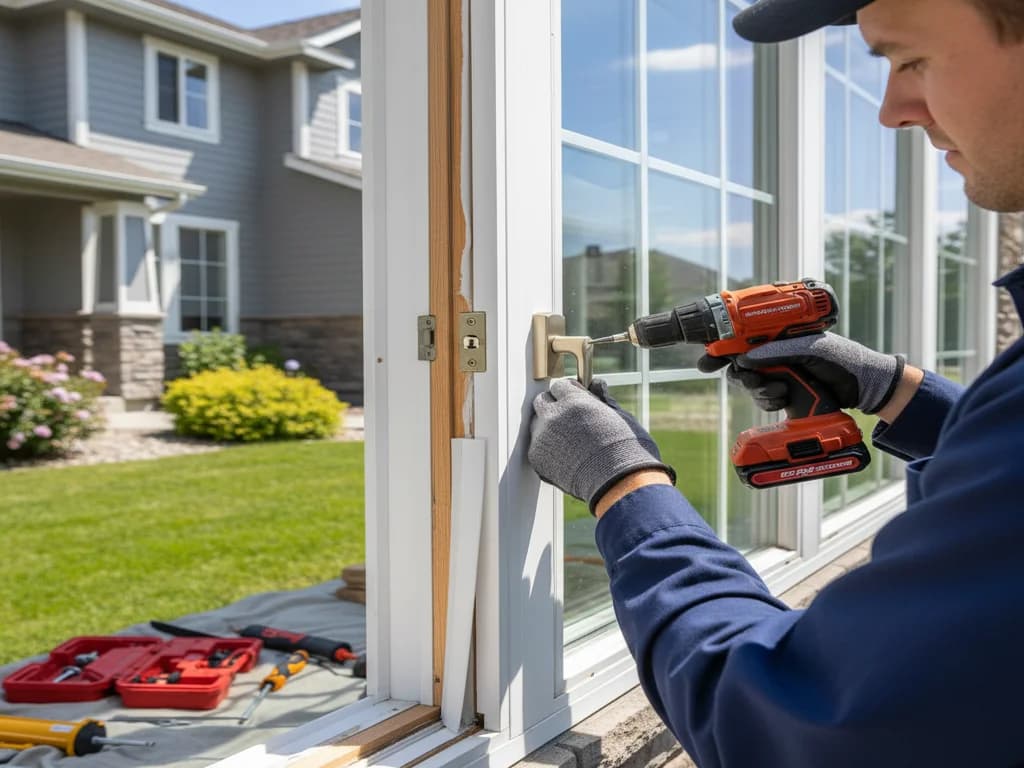
Not every window problem needs a full replacement. A failed seal showing fog between the panes, a broken balance or crank, a cracked sash, worn weatherstripping letting in drafts, or hardware that won't latch can often be repaired for a fraction of the cost of a new unit — when the frame and the rest of the window still have good life left.
We diagnose the actual problem before recommending anything. Foggy glass usually means a failed insulated-glass seal, which can often be solved by replacing just the glass unit rather than the whole window. A drafty window frequently needs new weatherstripping and a hardware adjustment, not replacement. We fix what's broken and tell you honestly when a repair is the smart call and when it's throwing money at a window that's reached the end.
Common repairs include replacing fogged or broken insulated-glass units, swapping failed balances, cranks, locks, and rollers, renewing weatherstripping and seals to stop drafts, and re-sealing or re-flashing where water is getting in around the frame. Done right, these restore the window's function and efficiency without the cost of a new unit.
There's a point where repair stops making sense — when the frame itself is rotted or failing, when parts for an old unit are no longer available, or when half the windows in the house are due anyway. We'll give you that straight assessment instead of nickel-and-diming repairs on a window that should be replaced.
What's included
- Failed seal & foggy-glass fixes
- Sash, balance & hardware repair
- Weatherstripping & draft sealing
- Glass replacement
- Repair-vs-replace guidance
Our process
How we handle window repair
- 01
Inspection & diagnosis
We examine the window to find the real problem — failed seal, worn hardware, bad weatherstripping, or water intrusion — and check whether the frame still has good life left.
- 02
Repair-or-replace recommendation
We give you a straight call on whether a repair is the smart, economical fix or whether the unit has reached the point where replacement makes more sense.
- 03
Source parts or glass
We source the replacement glass unit, balance, crank, lock, roller, or weatherstripping needed, confirming availability for the unit's age before starting.
- 04
Repair & reseal
We make the repair — glass-unit swap, hardware replacement, weatherstripping renewal, or re-flashing — and reseal the window so it operates and seals correctly.
- 05
Test & walkthrough
We test operation, latching, and the seal, clean up the work area, and walk the repair with you before closeout.
In the Treasure Valley
Built for local homes & weather
Foggy, condensation-filled glass between the panes is one of the most common window complaints we see in the valley — it means the insulated-glass seal has failed, and in our wide temperature swings that's a frequent end-of-seal-life issue. We can often replace just the glass unit and save the frame, which is a far cheaper fix than a whole new window.
Drafts that show up as our cold winters arrive often come down to worn weatherstripping and hardware that no longer pulls the sash tight, not a window that needs replacing. Renewing the seals and adjusting the hardware can restore the draft control without the cost of a new unit.
Most window repairs don't require a permit the way a replacement that alters the opening can. If we find water intrusion has caused rot in the surrounding wall, we'll tell you and coordinate anything that needs to be inspected.
Window Repair FAQs
My windows are foggy between the panes — can that be fixed?
Usually, yes. Fog between the panes means the insulated-glass seal has failed. In many cases we can replace just the sealed glass unit and keep your existing frame and sash, which is far cheaper than a whole new window. We'll confirm whether the glass unit is available for your window's age.
Should I repair or replace my windows?
If the frame is sound, parts are available, and only a seal, hardware, or weatherstripping has failed, repair is the economical fix. If the frame is rotted or failing, parts are obsolete, or most of the home's windows are due anyway, replacement makes more sense. We give you the straight assessment after looking.
Can you fix a drafty window without replacing it?
Often, yes. Drafts frequently come from worn weatherstripping and hardware that no longer pulls the sash tight — both repairable. We renew the seals and adjust or replace the hardware to restore draft control, and we'll tell you if the draft instead points to a window that's genuinely worn out.
Can you replace just the broken glass?
In many cases, yes — whether it's a cracked pane or a fogged insulated unit, we can often replace the glass while keeping the frame and sash, provided the unit is still available for your window. We confirm availability before starting so there are no surprises.
What does a window repair cost?
It depends on the repair — a hardware swap or weatherstripping renewal is modest; a sealed glass-unit replacement costs more; multiple windows add up. The factors are the type of repair, parts availability for the unit's age, and access. We quote after diagnosing rather than guessing.
When is window repair a better choice than replacement?
If the frame is solid and only the hardware, balances, weatherstripping, or rollers have worn, repair is often the smarter, cheaper fix. Replacement makes more sense when there's frame rot, water damage, multiple failed seals, or the window is single-pane and inefficient. We'll tell you honestly which makes sense after looking at the unit rather than pushing a full replacement.
Can a foggy window between the panes be repaired?
Fog or moisture trapped between the panes means the insulated glass seal has failed. In some cases just the glass unit (the sealed pane assembly) can be replaced while keeping the existing frame and sash, which is cheaper than a whole window. Whether that's possible depends on the window's design, which we check during the estimate.
Why won't my window stay open or close tightly?
On a double-hung, a sash that won't stay up usually means worn or broken balances; on a slider, dragging or sticking points to dirty tracks or worn rollers; on a casement, a stiff crank means the operator or hinges need service. A window that won't close tightly is often worn weatherstripping. Many of these are repairs, not replacements.
Should I fix drafts, or is the whole window failing?
A single drafty window with intact glass is often a weatherstripping or seal issue you can repair. Drafts across many windows, combined with fogged glass, sticking sashes, or visible rot, usually point to windows near the end of their life. We assess the whole picture so you spend money where it actually helps.
Do older homes need special care during window work?
Yes. Homes built before 1978 may contain lead-based paint, so any work that disturbs painted surfaces follows EPA RRP lead-safe work practices to contain dust and protect your family. This applies to both repairs and replacements on older Treasure Valley homes. We account for that when scoping the job.
Other windows types we install
Explore the rest of our windows materials and services across the Treasure Valley.
Materials
Double-Hung Windows
Classic double-hung replacement windows — both sashes operate, easy to clean, fit nearly any home style.
Learn more →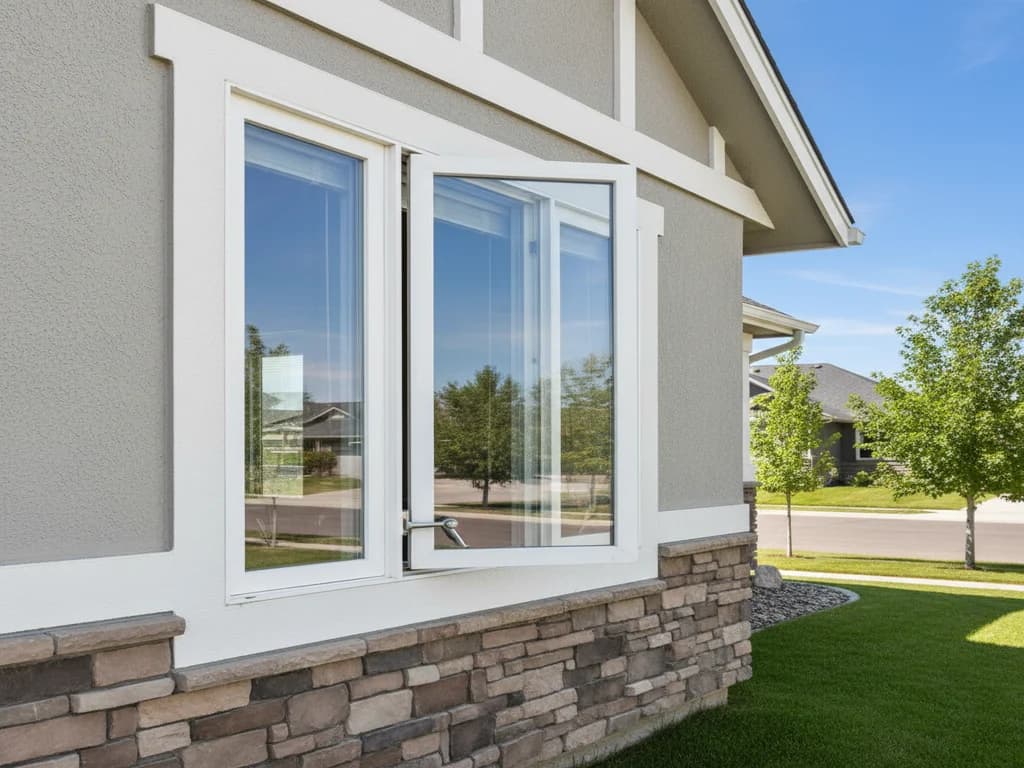
Casement Windows
Crank-out casement windows that seal tight and catch a breeze — great for hard-to-reach spots.
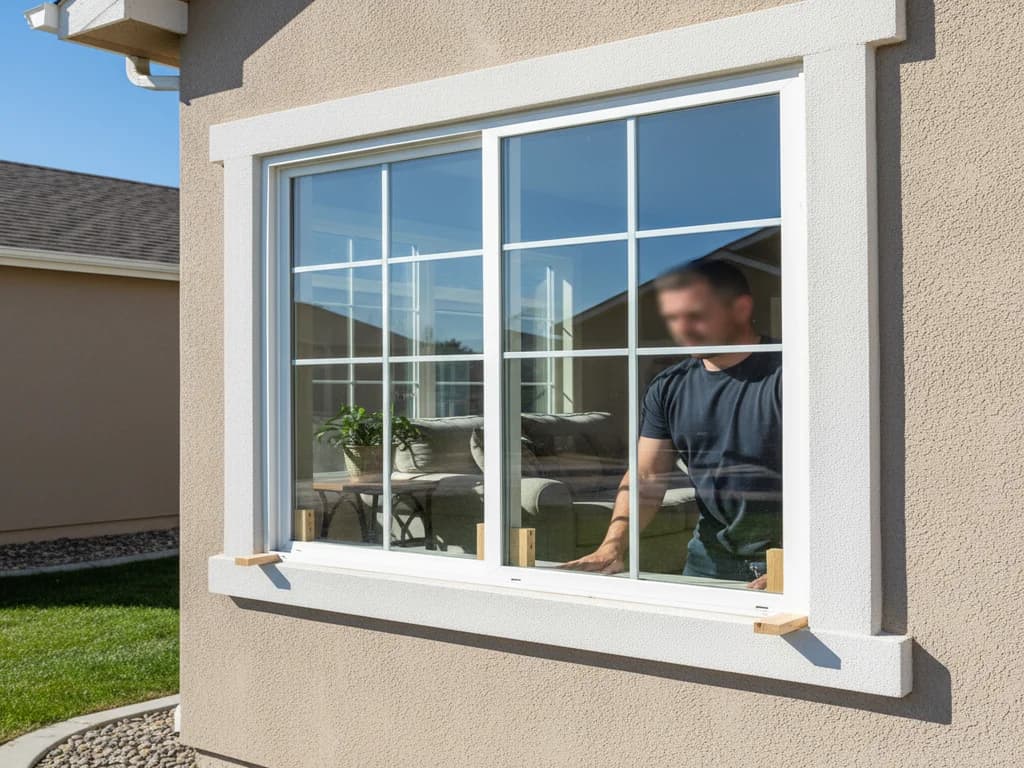
Learn more →Slider Windows
Horizontal slider windows — smooth operation, wide views, a fit for modern and ranch homes.
Learn more →Picture Windows
Fixed picture windows for big, unobstructed views and maximum daylight with top energy performance.
Learn more →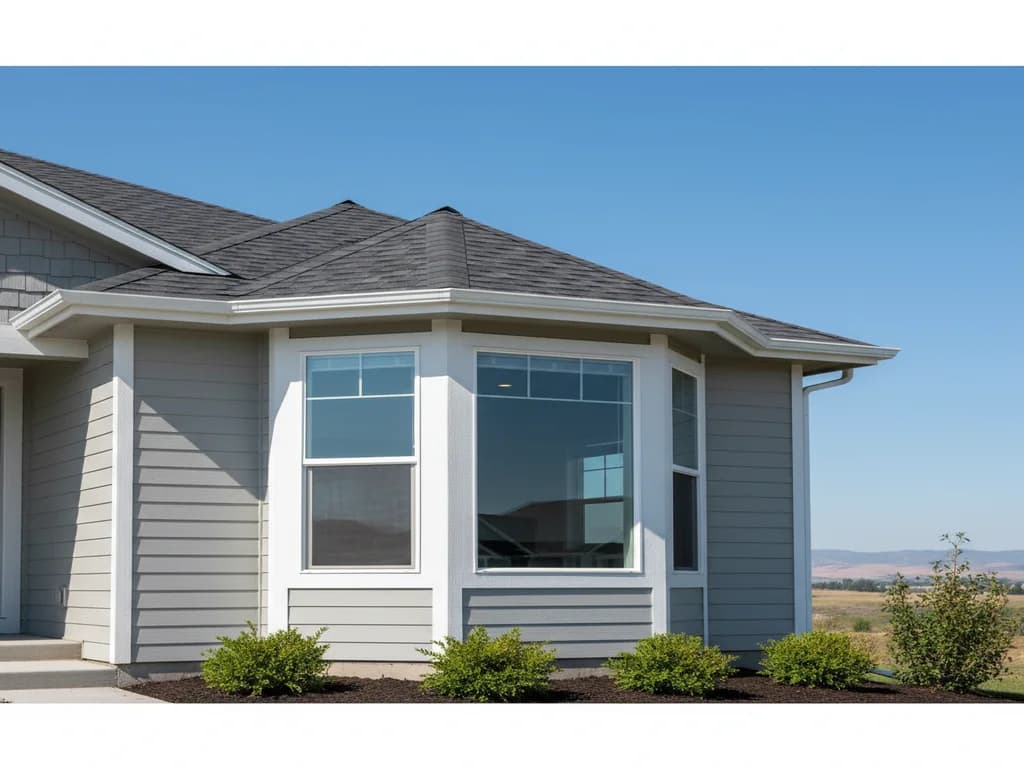
Bay & Bow Windows
Bay and bow windows that add space, light, and architectural character to a room.
Learn more →Vinyl Windows
Low-maintenance vinyl windows with strong energy performance at a budget-friendly price.
Learn more →Fiberglass Windows
Strong, stable fiberglass windows that handle Idaho temperature swings with minimal expansion.
Learn more →Brands We Install
Milgard® Windows
Installation and replacement of Milgard® vinyl and fiberglass windows across the Treasure Valley.
Learn more →Andersen® Windows
Installation and replacement of Andersen® windows — composite, wood, and vinyl lines.
Learn more →Marvin® Windows
Installation and replacement of Marvin® windows — fiberglass and wood-clad lines for premium builds.
Learn more →Pella® Windows
Installation and replacement of Pella® windows — wood, fiberglass, and vinyl lines.
Learn more →Repair & Specialty
Helpful guides
Plain, local guidance to research window repair before you commit.
Sources & references
How we back what we say
Our recommendations follow building code, manufacturer specifications, and federal efficiency standards — not sales scripts. These are the primary sources behind the guidance on this page.
- ENERGY STAR Windows, Doors & SkylightsU.S. EPA / ENERGY STAR
Federal efficiency criteria and the climate-zone requirements that determine which windows qualify in Idaho's Northern climate zone.
- Energy-Efficient WindowsU.S. Department of Energy
How U-factor, SHGC, glazing, gas fills, and frame materials affect comfort and energy bills.
- Window Energy Performance RatingsNational Fenestration Rating Council (NFRC)
The independent rating system behind the U-factor and SHGC numbers on every window's NFRC label.
- Renovation, Repair and Painting (RRP) RuleU.S. Environmental Protection Agency
Federal lead-safe work practices required when disturbing painted surfaces on homes built before 1978 — relevant to siding tear-offs and window/door replacement on older Treasure Valley homes.
- Idaho Contractor RegistrationIdaho Division of Building Safety
Idaho's contractor registration program (RCE numbers). You can verify any Idaho contractor's registration status here.
- International Residential Code (IRC)International Code Council
The model residential building code Idaho jurisdictions adopt — governs weather-resistive barriers, flashing, fastening, and egress that exterior work must meet.
- Energy Saver: WeatherizeU.S. Department of Energy
DOE guidance on air sealing and the building envelope — the principles behind proper flashing, weather barriers, and sealing.
Need window repair done right?
Tell us about your siding, window, or door project — we'll come take a look and give you a straight, free estimate.