Treasure Valley Siding
Dry Rot & Water Damage Repair in the Treasure Valley
Stop the rot behind your siding
When siding starts failing, the real damage is often behind it: rotted sheathing, soft framing, crumbling trim, and decayed substrate caused by water that got past failed flashing, cracked caulk, or a worn-out weather barrier. Dry rot and water-damage repair fixes the structure, not just the surface — because new siding over wet, rotted wood fails just as fast as the old.
We open up the affected areas, trace the water to its source, and remove all rotted sheathing, framing, and trim back to sound, dry material. Then we re-establish proper flashing and drainage and install a fresh weather barrier before re-siding over a substrate that's actually capable of holding the new cladding. Skipping the source is the most common reason rot comes back.
Finding the true extent matters as much as the repair itself. Water travels, and rot is frequently wider than it looks from outside — concentrated around windows, at the base of walls, behind gutters, and at deck-to-wall connections. We probe, follow the moisture path, and document what we find before we commit to a scope, so there are no buried surprises.
This is the right service when you've got soft or spongy walls, persistent peeling paint, dark staining, a musty smell, or siding that flexes when pressed. We won't cover rot to make a wall look fixed; we'll show you what's there and repair it so the problem doesn't return.
What's included
- Rot & moisture inspection
- Sheathing & substrate replacement
- Trim & fascia rot repair
- Proper flashing & drainage
- Re-side over sound substrate
Our process
How we handle dry rot & water damage repair
- 01
Moisture inspection
We probe for soft spots and trace the water path to find every affected area and the actual source of the intrusion — not just where the staining shows.
- 02
Open & remove rot
Siding comes off the affected zones and we remove all rotted sheathing, framing, and trim down to sound, dry material.
- 03
Correct the source
We fix the flashing, drainage, or sealing failure that let water in, because repairing rot without correcting the cause just resets the clock.
- 04
Rebuild structure & barrier
We replace damaged sheathing and framing, re-establish proper drainage, and install a fresh, correctly lapped weather-resistive barrier.
- 05
Re-side & finish
New siding goes back over the sound, dry wall, matched to the surrounding material, and we finish and clean the area.
In the Treasure Valley
Built for local homes & weather
Idaho's freeze-thaw cycle is hard on failed caulk and flashing — water gets into an open joint, freezes, and works it wider, so hidden rot around windows and at the bottoms of walls is common on older valley homes. The dry valley air can also mask it: there's no constant humidity to make staining obvious, so rot can advance quietly behind good-looking siding until a wall goes soft.
On HOA properties, the re-side portion of a rot repair still has to match approved color and profile, and we'll match as closely as the existing material allows. The structural repair itself is about getting the wall sound and dry.
Structural and substrate repair can fall under permit and inspection requirements depending on scope and jurisdiction. When the work reaches framing repair, we coordinate anything that needs to be inspected so it's documented properly.
Dry Rot & Water Damage Repair FAQs
How do I know if I have rot behind my siding?
Soft or spongy spots, peeling or bubbling paint, dark staining, a musty smell, siding that flexes when pressed, or trim that crumbles are common signs. In our dry climate it can advance quietly without obvious surface clues, so a probe-and-inspect visit is the way to confirm.
Will you find all the damage?
We trace the moisture path and open up affected areas to find the full extent, and we document what we find. Rot is often wider than it looks from outside because water travels, so we'd rather show you the true picture before repairing than discover more mid-job.
Can you just side over the rot?
No — and we won't. Covering rotted, wet substrate just hides a structural problem and the new siding fails over it. The rot has to be removed back to sound material and the moisture source corrected, or you're paying twice.
How do you stop it from coming back?
By fixing the cause, not just the symptom — correcting the failed flashing, drainage, or sealing that let water in, then rebuilding with a fresh, properly lapped weather barrier. Rot that returns almost always means the source was never addressed, which is exactly the step we don't skip.
What drives the cost?
How far the rot extends, how much sheathing and framing need replacing, access and height, the source repair, and the re-side scope are the main factors. Because much of it is only visible once siding is off, we inspect and document before quoting and flag the possibility of finding more.
What causes dry rot on Treasure Valley homes?
Despite our dry climate, dry rot comes from repeated moisture reaching wood that can't dry out: failed caulk or flashing around windows and trim, siding installed too close to the ground, sprinkler spray hitting the wall, and clogged gutters dumping water down the cladding. A fungus then breaks down the wood. It's almost always a water-management problem behind the siding, not the weather itself.
How do I know if I have dry rot behind my siding?
Telltale signs are soft or spongy boards, paint that bubbles or flakes in one area, a musty smell, crumbling or darkened wood at the bottom of walls and around windows, and trim you can push a screwdriver into. It often hides behind intact-looking siding, especially low on the wall and under windows. We can probe suspect areas during a free assessment.
Will you fix the cause or just replace the rotted wood?
Both, because patching rotted boards without fixing the water source just means it comes back. We remove the damaged siding and sheathing, repair or replace the framing as needed, then correct the flashing, clearances, caulk, or drainage that let water in before we re-clad. Skipping the cause is how people end up paying for the same repair twice.
What does dry rot repair cost depend on?
It depends on how far the rot has spread once the wall is opened, whether it reached the sheathing or framing, how high and how many walls are involved, and what's driving the moisture. Surface rot on one trim board is minor; structural rot across a wall is a bigger job. We can't price it precisely until we see how deep it goes, so we quote after assessing.
Can dry rot spread if I leave it alone?
Yes. The fungus keeps consuming wood as long as moisture is present, so a small soft spot can move into sheathing and framing over time and turn a siding repair into a structural one. Catching it early while it's confined to trim or a couple of boards keeps the fix small. If you suspect it, it's worth looking sooner than later.
Other siding types we install
Explore the rest of our siding materials and services across the Treasure Valley.
Materials
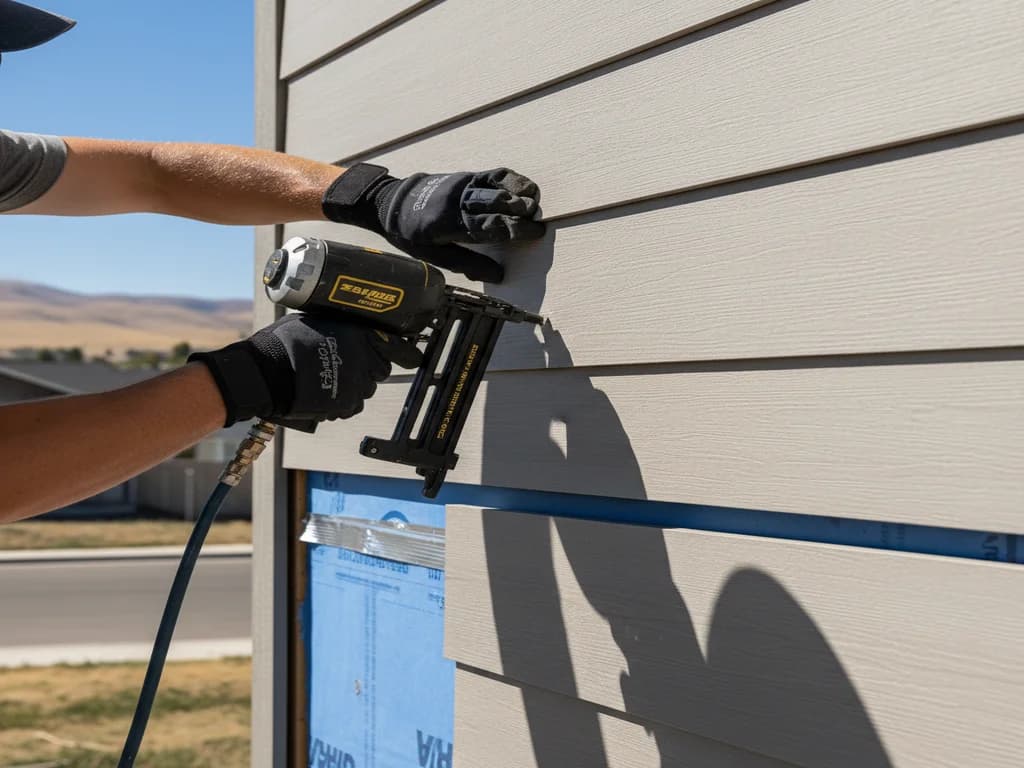
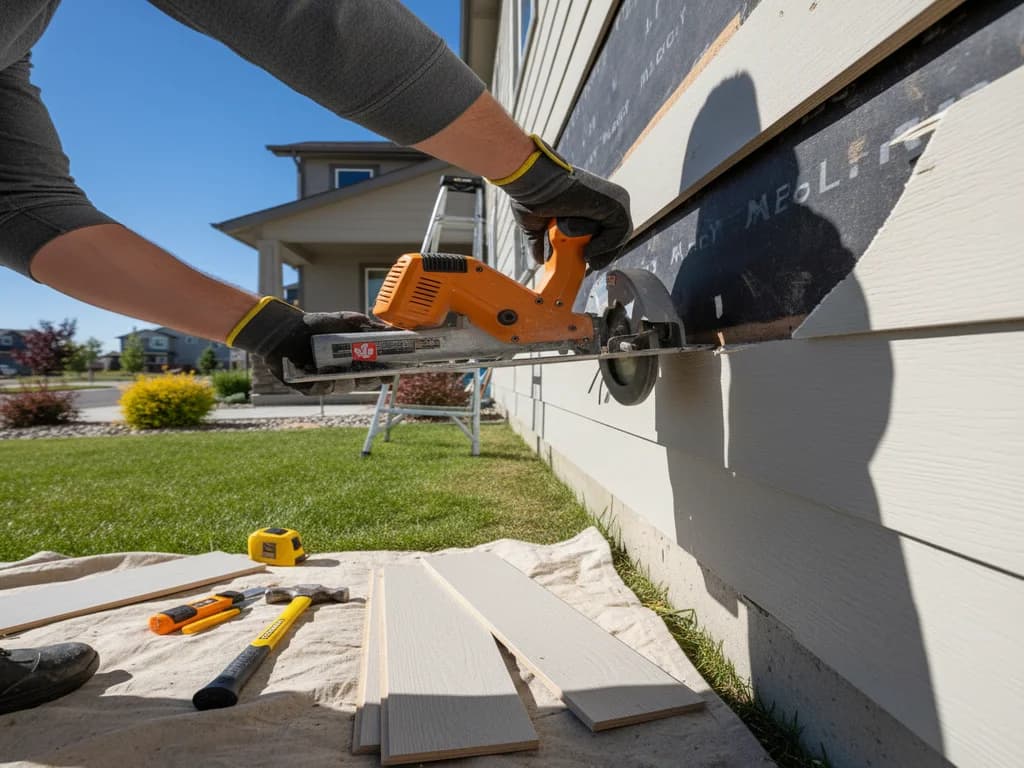
Fiber Cement Siding
Durable, fire- and rot-resistant fiber cement siding built for Idaho's freeze-thaw swings.
Learn more →Engineered Wood Siding
Engineered wood siding combining a real-wood appearance with better moisture and impact resistance.
Learn more →Vinyl Siding
Low-maintenance, budget-friendly vinyl siding in a wide range of colors and profiles.
Learn more →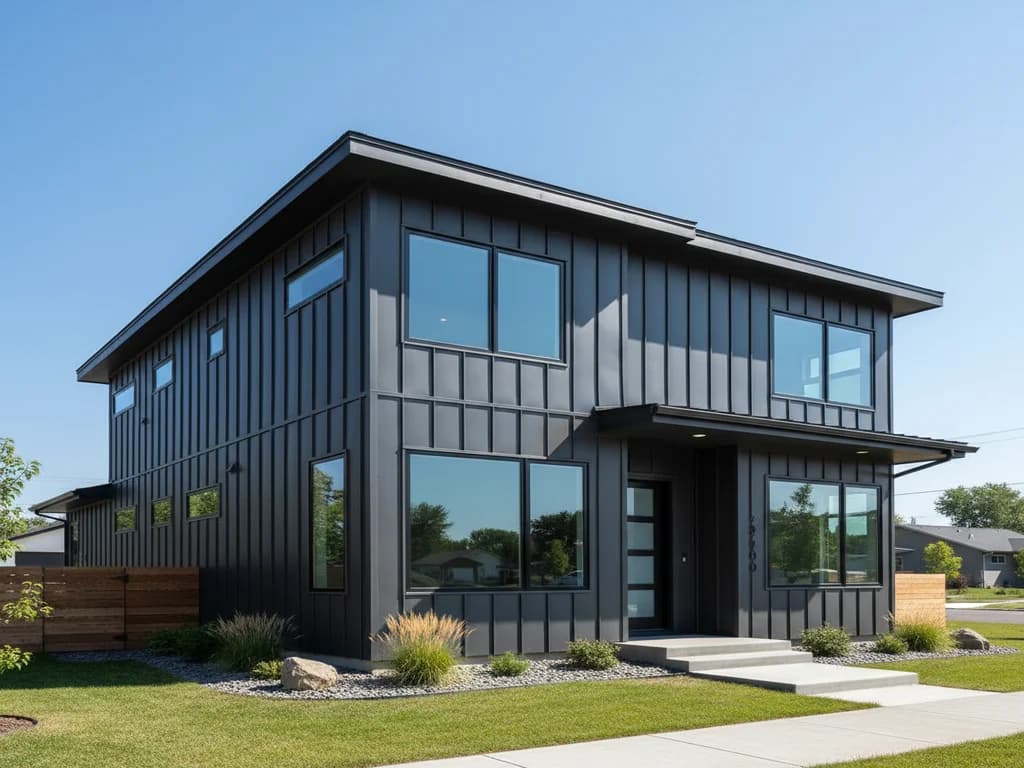
Steel & Metal Siding
Tough steel and metal siding for a modern look with serious weather and impact resistance.
Learn more →Brands We Install
Repair & Specialty
Siding Repair
Targeted siding repair — cracked boards, storm damage, and failed sections fixed and color-matched.
Learn more →Siding Replacement & Re-Side
Full tear-off and re-side — swap tired or failing siding for a tight, modern, weather-ready exterior.
Learn more →Storm & Hail Damage Siding
Wind- and hail-damaged siding assessed, documented, and restored after Treasure Valley storms.
Learn more →Commercial & Multifamily
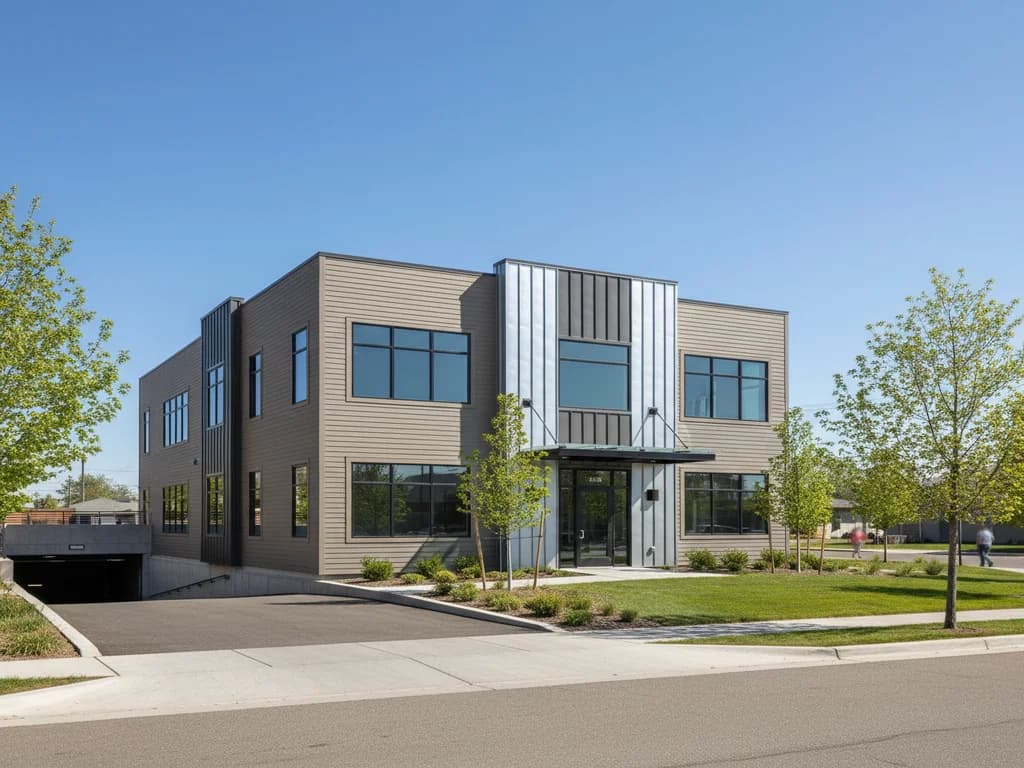
Commercial Siding
Siding and exterior cladding for offices, retail, and light-commercial buildings across the valley.
Learn more →Multifamily & HOA Siding
Siding for apartments, condos, townhomes, and HOA communities — consistent, code-right, on schedule.
Learn more →New Construction Siding
Siding for builders and GCs — accurate, on-schedule installation on new Treasure Valley homes.
Learn more →
Helpful guides
Plain, local guidance to research dry rot & water damage repair before you commit.
Sources & references
How we back what we say
Our recommendations follow building code, manufacturer specifications, and federal efficiency standards — not sales scripts. These are the primary sources behind the guidance on this page.
- Siding Products & Installation ResourcesJames Hardie
Manufacturer product data and published installation specifications for fiber cement siding, including the HardieZone climate-based product system.
- LP SmartSide Engineered Wood SidingLP Building Solutions
Manufacturer product line and installation instructions for engineered wood siding and trim.
- Energy Saver: SidingU.S. Department of Energy
Background on the wall assembly behind siding — insulation, drainage planes, and moisture control.
- Renovation, Repair and Painting (RRP) RuleU.S. Environmental Protection Agency
Federal lead-safe work practices required when disturbing painted surfaces on homes built before 1978 — relevant to siding tear-offs and window/door replacement on older Treasure Valley homes.
- Idaho Contractor RegistrationIdaho Division of Building Safety
Idaho's contractor registration program (RCE numbers). You can verify any Idaho contractor's registration status here.
- International Residential Code (IRC)International Code Council
The model residential building code Idaho jurisdictions adopt — governs weather-resistive barriers, flashing, fastening, and egress that exterior work must meet.
- Energy Saver: WeatherizeU.S. Department of Energy
DOE guidance on air sealing and the building envelope — the principles behind proper flashing, weather barriers, and sealing.
Need dry rot & water damage repair done right?
Tell us about your siding, window, or door project — we'll come take a look and give you a straight, free estimate.