Treasure Valley Siding
Board & Batten Siding in the Treasure Valley
Board & batten for modern-farmhouse curb appeal
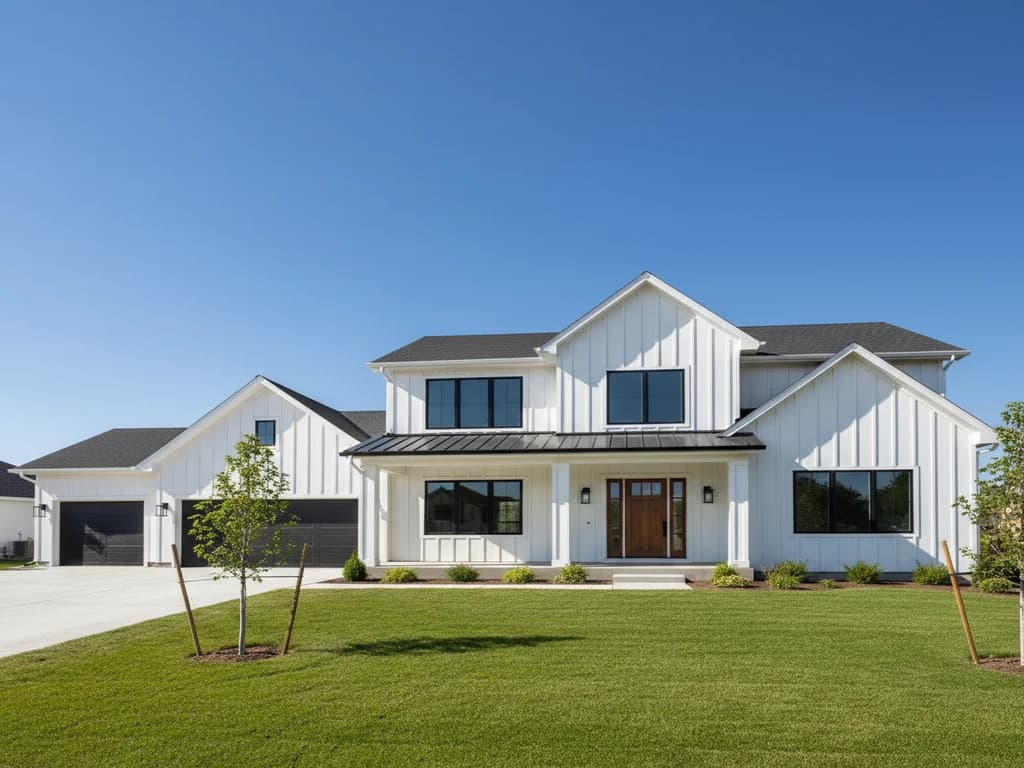
Board and batten is the vertical siding look behind the modern-farmhouse style sweeping through Treasure Valley neighborhoods — wide boards or panels run vertically with narrow battens covering the seams, creating bold, clean vertical lines. It can clad a whole home for a striking, contemporary statement, or accent gables, entries, and a single elevation to add depth against horizontal lap.
We install board and batten in fiber cement and engineered wood, pre-finished or field-painted, with the trim and layout integration that makes the vertical lines read crisp and intentional rather than busy. The detail that separates a good board-and-batten job from a sloppy one is consistent batten spacing and clean terminations — get those right and the facade looks designed; get them wrong and it looks like an afterthought.
Material choice matters here because the vertical orientation and exposed batten edges put a premium on dimensional stability. Fiber cement and engineered wood both hold the profile well and resist the splitting, warping, and rot that quickly ruin solid-wood battens in our dry-heat-to-deep-freeze climate, so the lines stay straight and the seams stay tight season after season.
This is the right fit for owners chasing modern-farmhouse curb appeal — whether as a full exterior, a contrasting upper-gable accent, or a feature wall paired with lap siding below. We'll plan the layout, help you choose a palette that ages well, and execute the spacing so it looks deliberate.
What's included
- Full board-and-batten exteriors
- Gable & accent applications
- Fiber cement & engineered wood
- Pre-finished color options
- Trim integration
Our process
How we handle board & batten siding
- 01
Design & layout
We plan the board-and-batten spacing, decide whether it's a full exterior or a gable/accent application, and lay out the battens so the vertical lines look intentional.
- 02
Material & finish selection
We help you choose fiber cement or engineered wood and pre-finished versus field-painted, with a palette that suits the modern-farmhouse look and ages well.
- 03
Tear-off & barrier
Old siding comes off where needed, the wall is inspected and repaired, and a weather-resistive barrier and flashing are installed.
- 04
Board & batten install
Boards and battens are installed to manufacturer spec with consistent spacing and clean terminations for crisp vertical lines.
- 05
Trim, seal & finish
We integrate trim, seal the joints, finish the color, and tie any accent application cleanly into the surrounding siding.
- 06
Cleanup & walkthrough
A magnetic nail sweep clears the site and we walk the finished facade with you before closing out.
In the Treasure Valley
Built for local homes & weather
The modern-farmhouse look is everywhere in newer Eagle, Star, and Meridian builds, and board and batten — often paired with a contrasting lap on the lower walls or run up the gables — is one of the most-requested ways valley owners get that style. Fiber cement and engineered wood keep those vertical lines straight through our sun and freeze-thaw, where solid-wood battens would split and cup.
Many of those subdivisions sit under HOA architectural review covering color, profile, and sometimes the proportion of accent versus body material. We help assemble the submittal and choose a board-and-batten approach that satisfies the committee while delivering the look you want.
A full board-and-batten exterior generally requires a permit like any re-side, and re-cladding can trigger current weather-barrier energy-code details depending on scope. A small gable accent within other work may not, and we'll tell you which applies and coordinate anything that needs inspection.
Board & Batten Siding FAQs
Can board and batten be just an accent?
Yes — many homeowners use it on gables, entries, or a single elevation paired with lap siding elsewhere for contrast and depth. We can do a full board-and-batten exterior or a targeted accent, and we'll plan the layout either way so it reads deliberate.
What material do you use for board and batten?
Most often fiber cement or engineered wood. Both hold the vertical profile and exposed batten edges well and resist the splitting, warping, and rot that quickly ruin solid-wood battens in our dry, freeze-thaw climate, so the lines stay crisp.
How is the spacing decided?
We plan batten spacing to the proportions of the home and the look you're after, keeping it consistent across the facade with clean terminations at corners and openings. Consistent spacing is the single biggest factor in whether board and batten looks designed or like an afterthought.
Does the look date quickly?
Board and batten is a long-standing architectural style, not just a passing trend, and pre-finished neutral palettes keep it timeless. We'll help you pick colors and a proportion of accent-to-body that age well rather than chasing a look that feels dated in a few years.
What drives the cost?
Whether it's a full exterior or an accent, the material and finish, square footage, stories and access, the batten layout and trim complexity, and any substrate repair found at tear-off are the main factors. We quote after a site visit.
What is board-and-batten siding and where does it suit a home?
Board-and-batten is a vertical pattern of wide boards with narrow strips, the battens, covering the seams, giving a tall, farmhouse or modern-rustic look. It's popular on gables, accent walls, and whole modern-farmhouse elevations across the valley's newer subdivisions. Today it's most often done in fiber cement, engineered wood, or LP® SmartSide® rather than raw lumber for durability.
Does board-and-batten cost more than lap siding?
It often runs a bit higher than standard lap because of the extra battens and the layout and fastening work to keep the vertical lines straight and properly spaced. The material, wall area, stories, and how much of the house is board-and-batten versus accent-only all factor in. We price the specific layout from your house at the free estimate.
Is vertical board-and-batten harder to keep watertight?
Vertical siding needs careful flashing and detailing at the top, bottom, and horizontal transitions because water runs down the boards and battens, so the install detail matters more than on lap. Done to spec with proper furring or backing, drainage, and flashing, it sheds water reliably in our climate. Getting those transitions right is the difference between a wall that lasts and one that traps water.
Will an HOA approve board-and-batten in a Meridian or Eagle subdivision?
Board-and-batten is common and often welcomed in modern-farmhouse-styled subdivisions, but you still need to clear the material, batten spacing, and color with your CC&Rs and architectural committee before we order. Some HOAs allow it only as an accent, not full walls. We match whatever profile and color the committee approves.
What material is best for board-and-batten in our climate?
Fiber cement gives a fireproof, rot-proof board-and-batten that holds factory color well; engineered wood and LP® SmartSide® offer a warmer wood look with easier handling on tall gables. All three outperform raw lumber here when installed to spec with the right flashing and a kept-up finish. The choice comes down to fire resistance and maintenance versus weight and look.
Other siding types we install
Explore the rest of our siding materials and services across the Treasure Valley.
Materials
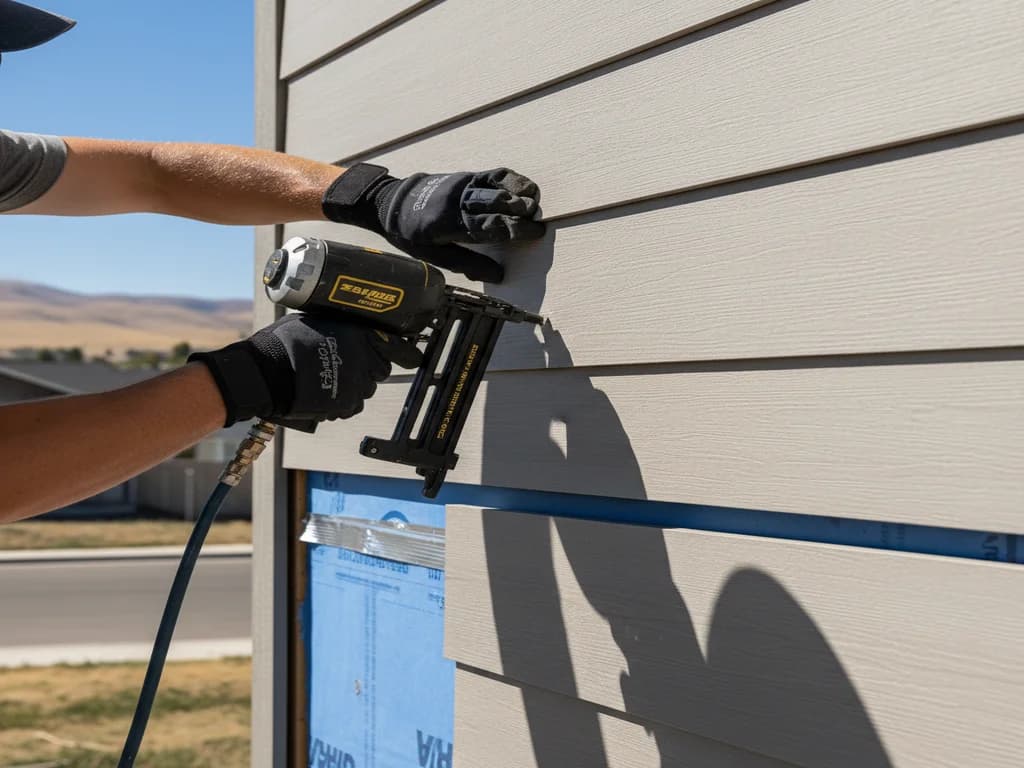
Fiber Cement Siding
Durable, fire- and rot-resistant fiber cement siding built for Idaho's freeze-thaw swings.
Learn more →Engineered Wood Siding
Engineered wood siding combining a real-wood appearance with better moisture and impact resistance.
Learn more →Vinyl Siding
Low-maintenance, budget-friendly vinyl siding in a wide range of colors and profiles.
Learn more →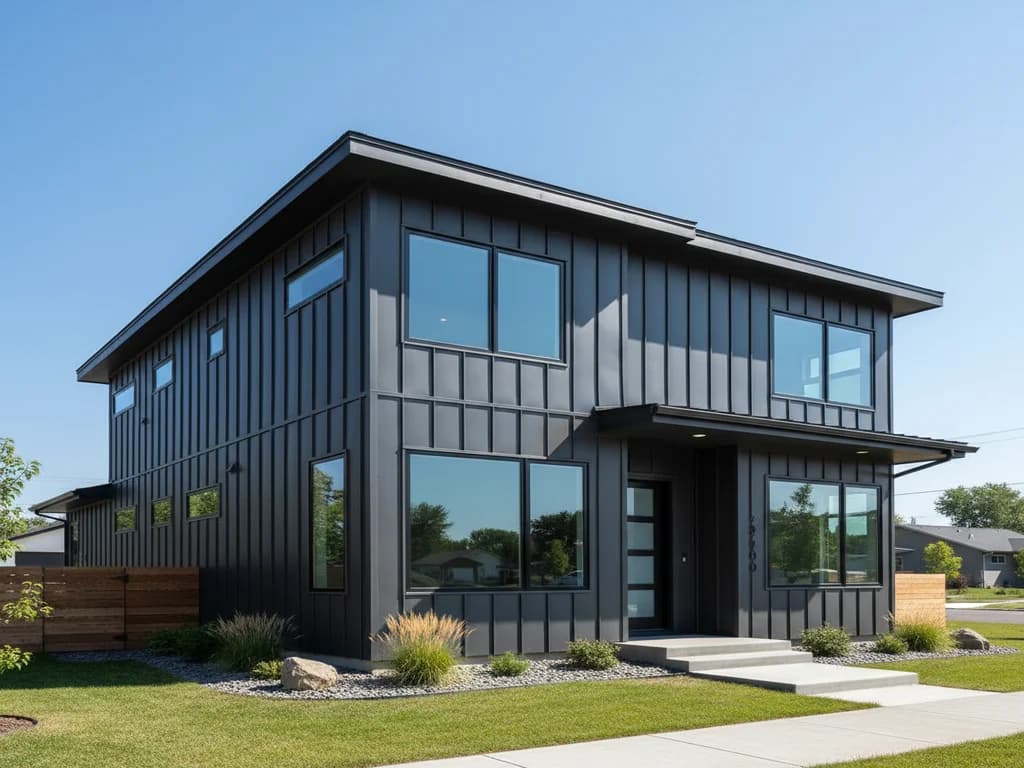
Steel & Metal Siding
Tough steel and metal siding for a modern look with serious weather and impact resistance.
Learn more →Brands We Install
Repair & Specialty
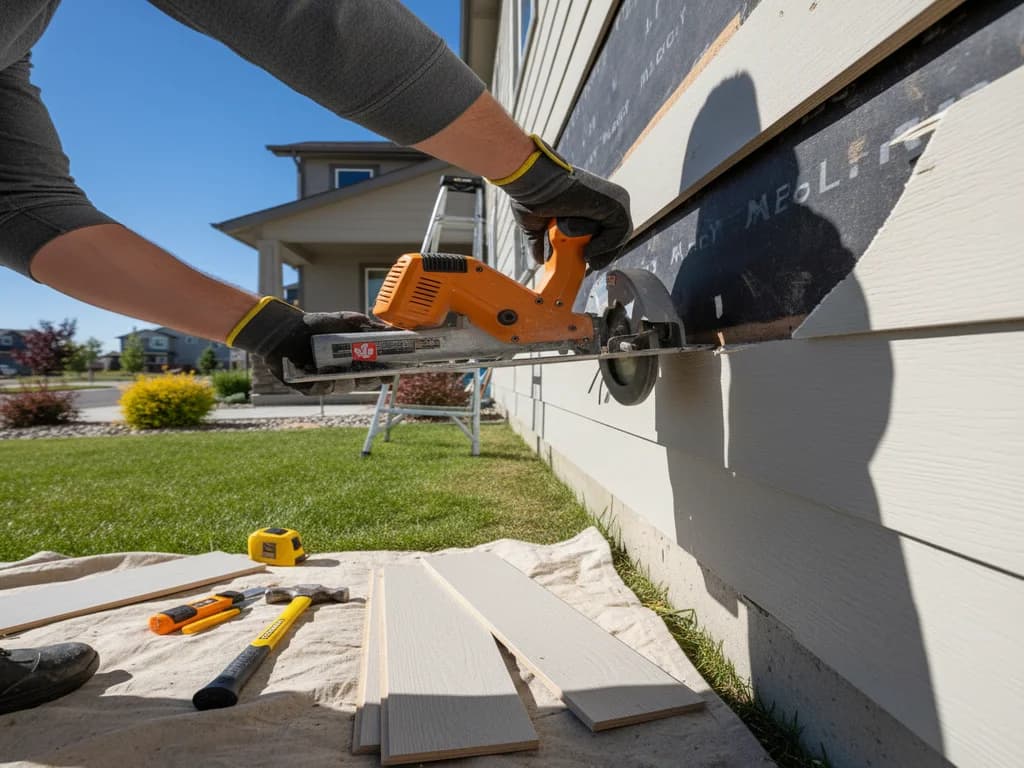
Siding Repair
Targeted siding repair — cracked boards, storm damage, and failed sections fixed and color-matched.
Learn more →Dry Rot & Water Damage Repair
Find and fix the rot behind failing siding — damaged sheathing, trim, and substrate restored.
Learn more →Siding Replacement & Re-Side
Full tear-off and re-side — swap tired or failing siding for a tight, modern, weather-ready exterior.
Learn more →Storm & Hail Damage Siding
Wind- and hail-damaged siding assessed, documented, and restored after Treasure Valley storms.
Learn more →Commercial & Multifamily
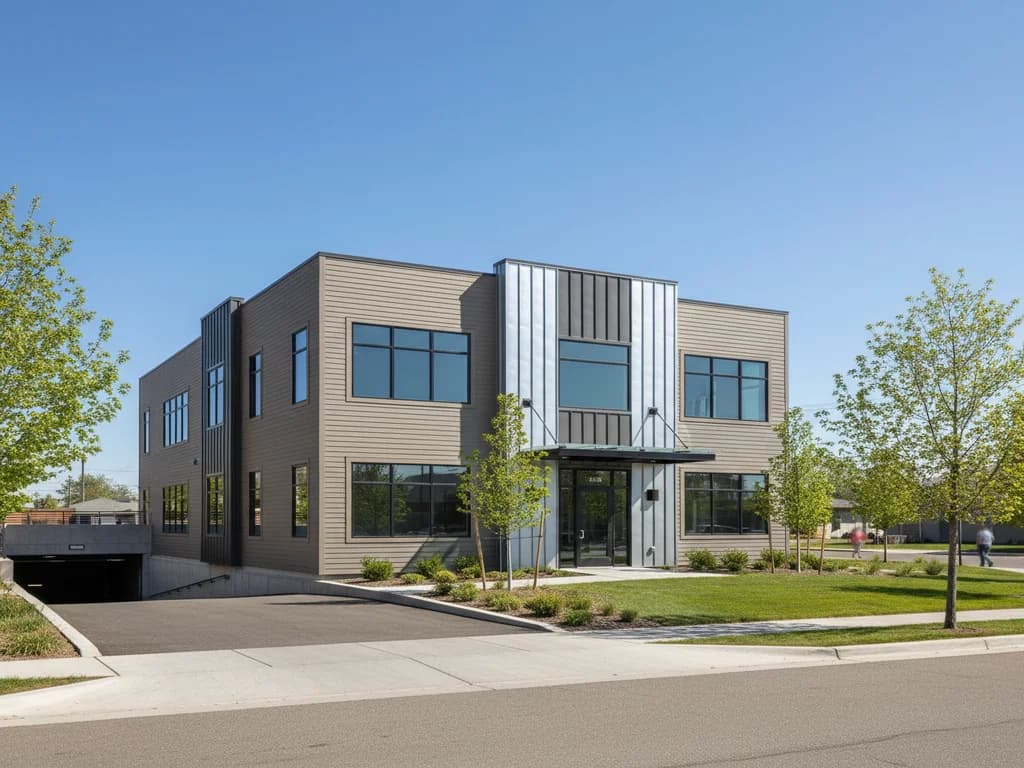
Commercial Siding
Siding and exterior cladding for offices, retail, and light-commercial buildings across the valley.
Learn more →Multifamily & HOA Siding
Siding for apartments, condos, townhomes, and HOA communities — consistent, code-right, on schedule.
Learn more →New Construction Siding
Siding for builders and GCs — accurate, on-schedule installation on new Treasure Valley homes.
Learn more →
Helpful guides
Plain, local guidance to research board & batten siding before you commit.
Sources & references
How we back what we say
Our recommendations follow building code, manufacturer specifications, and federal efficiency standards — not sales scripts. These are the primary sources behind the guidance on this page.
- Siding Products & Installation ResourcesJames Hardie
Manufacturer product data and published installation specifications for fiber cement siding, including the HardieZone climate-based product system.
- LP SmartSide Engineered Wood SidingLP Building Solutions
Manufacturer product line and installation instructions for engineered wood siding and trim.
- Energy Saver: SidingU.S. Department of Energy
Background on the wall assembly behind siding — insulation, drainage planes, and moisture control.
- Renovation, Repair and Painting (RRP) RuleU.S. Environmental Protection Agency
Federal lead-safe work practices required when disturbing painted surfaces on homes built before 1978 — relevant to siding tear-offs and window/door replacement on older Treasure Valley homes.
- Idaho Contractor RegistrationIdaho Division of Building Safety
Idaho's contractor registration program (RCE numbers). You can verify any Idaho contractor's registration status here.
- International Residential Code (IRC)International Code Council
The model residential building code Idaho jurisdictions adopt — governs weather-resistive barriers, flashing, fastening, and egress that exterior work must meet.
- Energy Saver: WeatherizeU.S. Department of Energy
DOE guidance on air sealing and the building envelope — the principles behind proper flashing, weather barriers, and sealing.
Need board & batten siding done right?
Tell us about your siding, window, or door project — we'll come take a look and give you a straight, free estimate.