Treasure Valley Siding
Soffit & Fascia in the Treasure Valley
Soffit & fascia that finish the job
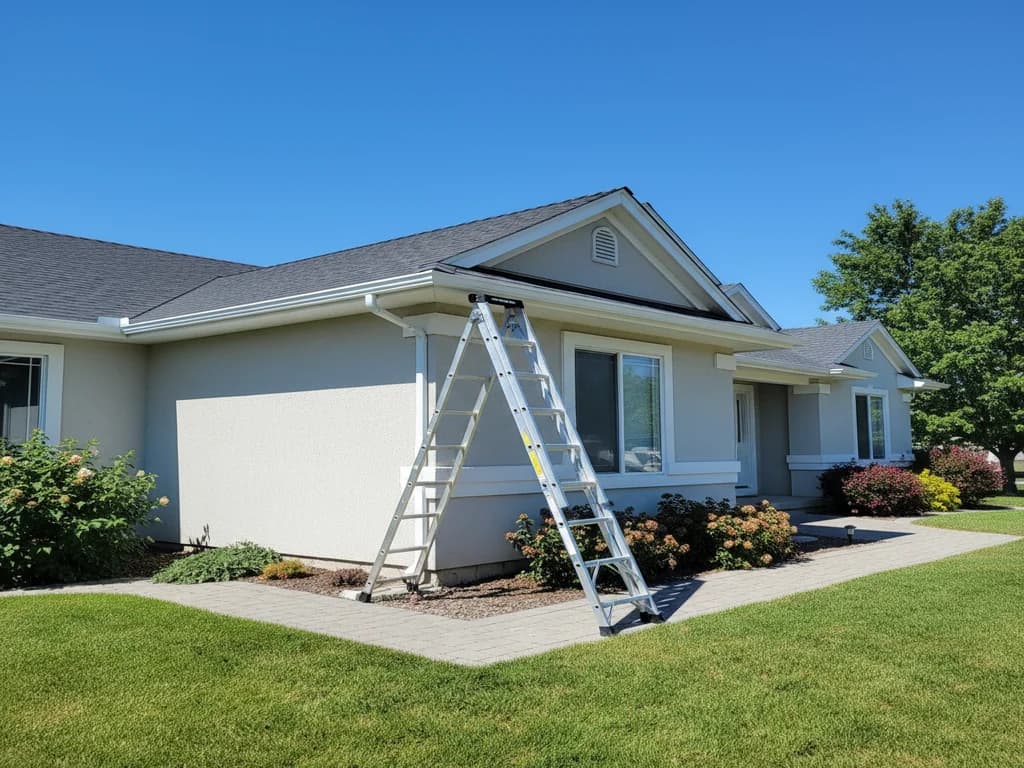
Soffit and fascia are the finish details at the roofline that do real, unglamorous work. Fascia is the vertical board at the roof edge that the gutter attaches to and that caps the rafter ends; soffit is the panel under the eave that closes off the underside, vents the attic, and seals out birds, wasps, and rodents. When either one fails, water and pests follow it straight into the attic and the wall.
We replace rotted or damaged soffit and fascia in aluminum, vinyl, or wood, restore proper attic ventilation, seal the pest-entry points, and leave clean, gutter-ready edges so the roofline is finished and protected. Because fascia carries the gutter and soffit drives attic airflow, getting these right is as much about the building's health as its looks.
Attic ventilation is the part people overlook. Blocked, painted-over, or rotted soffit vents trap moisture and heat in the attic, which shortens roof life, drives up cooling load, and feeds the very rot that's destroying the soffit. We restore correct airflow as part of the repair rather than just bolting on new panels over a ventilation problem.
This is the right service when you see peeling or rotted fascia, gaps and holes in the soffit, pests getting into the eave, sagging gutters, or staining at the roofline — and it's a natural companion to a re-side, since doing both together gives a consistent finished edge and lets us correct any rot while the area is open.
What's included
- Soffit replacement & ventilation
- Fascia board replacement
- Rot & pest-entry repair
- Aluminum, vinyl & wood options
- Gutter-ready edges
Our process
How we handle soffit & fascia
- 01
Roofline inspection
We check the soffit and fascia for rot, pest entry, and ventilation problems, and look for the moisture source — often a gutter or flashing issue — behind any damage.
- 02
Remove damaged material
Failed soffit and fascia come off so we can see and repair the rafter ends and any substrate damage underneath.
- 03
Repair structure
We repair or replace damaged rafter ends and substrate so the new soffit and fascia install onto sound, dry framing.
- 04
Replace & ventilate
We install new material in your chosen finish — aluminum, vinyl, or wood — and restore proper attic ventilation through correct soffit venting.
- 05
Seal pest entry
We close the gaps and openings that let birds, wasps, and rodents into the eave and attic as part of the repair.
- 06
Finish gutter-ready & clean up
We leave clean, gutter-ready fascia edges, finish the roofline, and clean the work area.
In the Treasure Valley
Built for local homes & weather
Idaho freeze-thaw and ice at the eave are hard on fascia and the gutter line — ice damming and meltwater work at the roof edge, and water that gets behind failed fascia rots the rafter ends quietly. Blocked or rotted soffit vents also drive attic moisture and heat problems in our climate, so roofline repair is a common and sensible companion to a valley re-side.
On HOA properties, soffit and fascia color and material may need to match the approved exterior scheme. We match the existing or board-approved finish so the roofline stays consistent with the rest of the community.
Soffit and fascia replacement on its own often doesn't require a permit the way structural or full re-side work does, but if we uncover significant rafter or structural damage that expands the scope, we'll tell you and coordinate anything that needs to be inspected.
Soffit & Fascia FAQs
What's the difference between soffit and fascia?
Fascia is the vertical board at the roof edge that the gutter attaches to and that caps the rafter ends; soffit is the panel under the eave that closes off the underside, vents the attic, and seals out pests. They work together as the finished, ventilated edge of the roof.
Why does my soffit have gaps or holes?
Usually rot, age, or pests. Open or deteriorated soffit lets birds, wasps, and rodents into the attic and lets moisture in, so we seal the entry points and restore proper ventilation while replacing the material — rather than just patching the hole and leaving the cause.
Why does attic ventilation matter for soffit?
Soffit vents are a primary intake for attic airflow. When they're blocked, painted over, or rotted, the attic traps moisture and heat, which shortens roof life, raises cooling load, and feeds more rot at the eave. Restoring correct venting is part of doing the repair right, not an upsell.
Can you do soffit and fascia with a re-side?
Yes, and it's a good idea. Doing them together gives a consistent finish at the roofline, lets us correct any rot while the area is open, and means one coordinated crew instead of two trips. It's one of the most common companions to a full re-side here.
What drives the cost?
Linear footage, the height and access of the eaves, the material you choose, how much rot or rafter-end repair is needed, and whether gutters have to come off and go back on are the main factors. We quote after inspecting.
What's the difference between soffit and fascia, and why do they matter?
Fascia is the board running along the roof edge that the gutters mount to, and soffit is the underside panel that closes in the eave between the wall and the roof edge. Together they cap the roof line, keep weather and pests out of the eave, and the soffit carries the vents that let your attic breathe. When they fail, water and critters get into the eave and attic, so they're worth keeping sound.
How do I know my soffit or fascia needs repair or replacement?
Watch for peeling paint, soft or sagging fascia, stained or crumbling soffit panels, gutters pulling away, and gaps where birds or wasps are getting into the eave. Rot here usually traces back to gutter overflow, ice, or a roof-edge leak. If the fascia is soft where the gutter mounts, it's past patching and into replacement.
Will replacing soffit and fascia affect my attic ventilation?
It can, because the vented soffit panels are part of how your attic intakes air, so we keep or restore proper venting when we replace them. Blocking off vented soffit can trap heat and moisture in the attic and shorten the roof's life. We match the ventilation to what the eave needs rather than just closing it in.
What materials are used for soffit and fascia here?
Common choices are fiber cement, engineered wood, aluminum, and vinyl, picked for rot resistance and how they match the rest of the trim and siding. Aluminum and vinyl soffit are low-maintenance and come pre-vented; fiber cement and engineered wood take paint and match a painted-trim look. The pick usually follows your siding and maintenance preference.
What does soffit and fascia work cost depend on?
It depends on the linear footage of roof edge, the height and access (single versus two-story eaves and steep pitches need staging), how much rotted wood is found behind the fascia, and the material chosen. Gutters often have to come down and go back up, which adds to it. We assess from the ground and up close before quoting.
Other siding types we install
Explore the rest of our siding materials and services across the Treasure Valley.
Materials
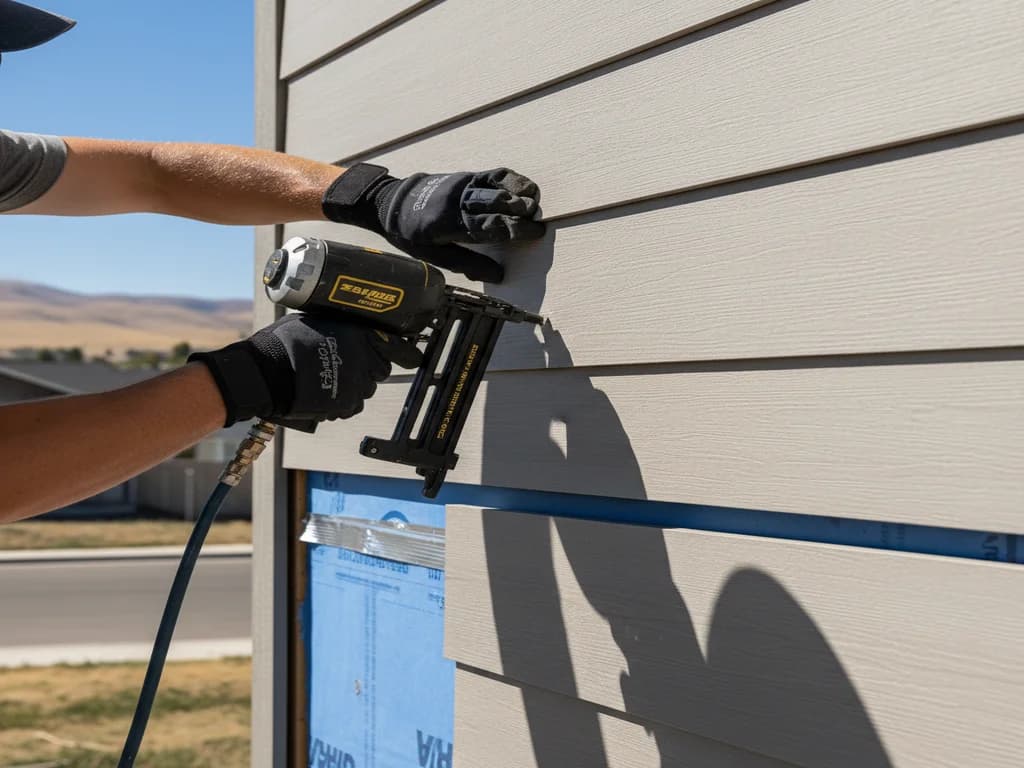
Fiber Cement Siding
Durable, fire- and rot-resistant fiber cement siding built for Idaho's freeze-thaw swings.
Learn more →Engineered Wood Siding
Engineered wood siding combining a real-wood appearance with better moisture and impact resistance.
Learn more →Vinyl Siding
Low-maintenance, budget-friendly vinyl siding in a wide range of colors and profiles.
Learn more →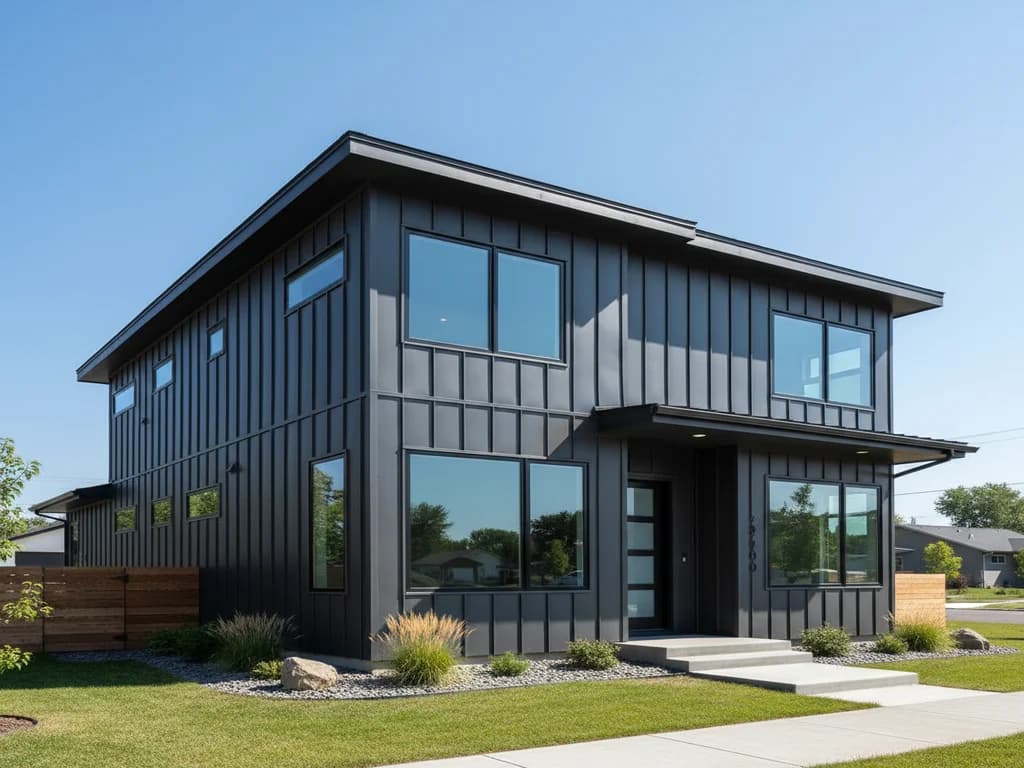
Steel & Metal Siding
Tough steel and metal siding for a modern look with serious weather and impact resistance.
Learn more →Brands We Install
Repair & Specialty
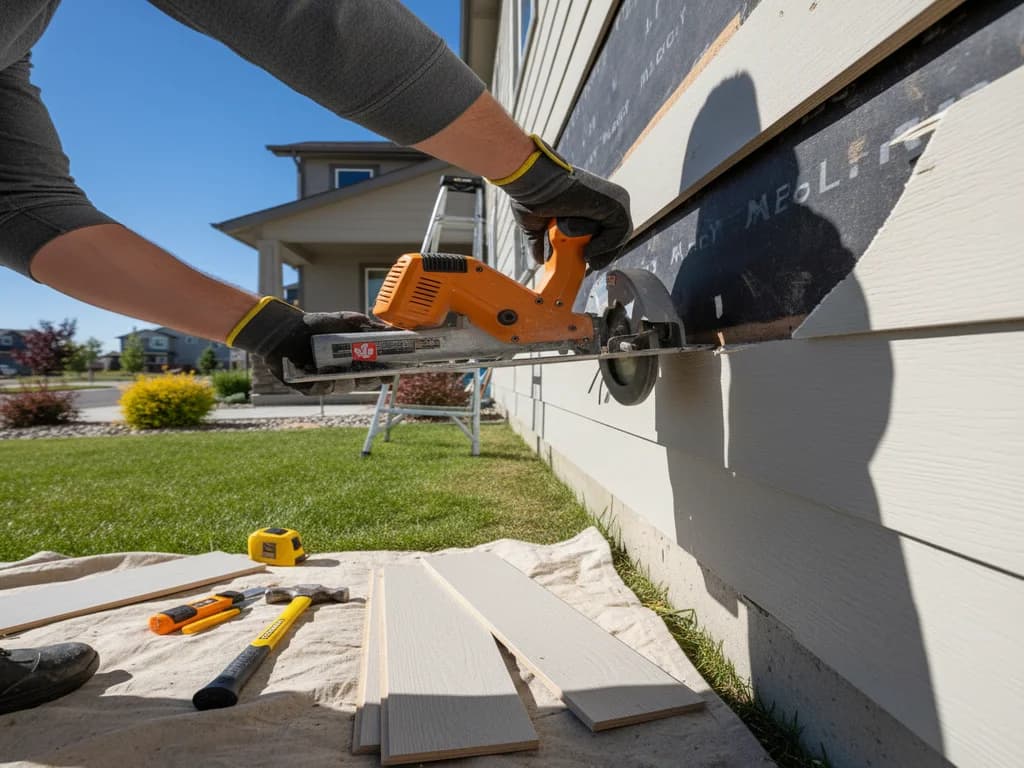
Siding Repair
Targeted siding repair — cracked boards, storm damage, and failed sections fixed and color-matched.
Learn more →Dry Rot & Water Damage Repair
Find and fix the rot behind failing siding — damaged sheathing, trim, and substrate restored.
Learn more →Siding Replacement & Re-Side
Full tear-off and re-side — swap tired or failing siding for a tight, modern, weather-ready exterior.
Learn more →Storm & Hail Damage Siding
Wind- and hail-damaged siding assessed, documented, and restored after Treasure Valley storms.
Learn more →Commercial & Multifamily
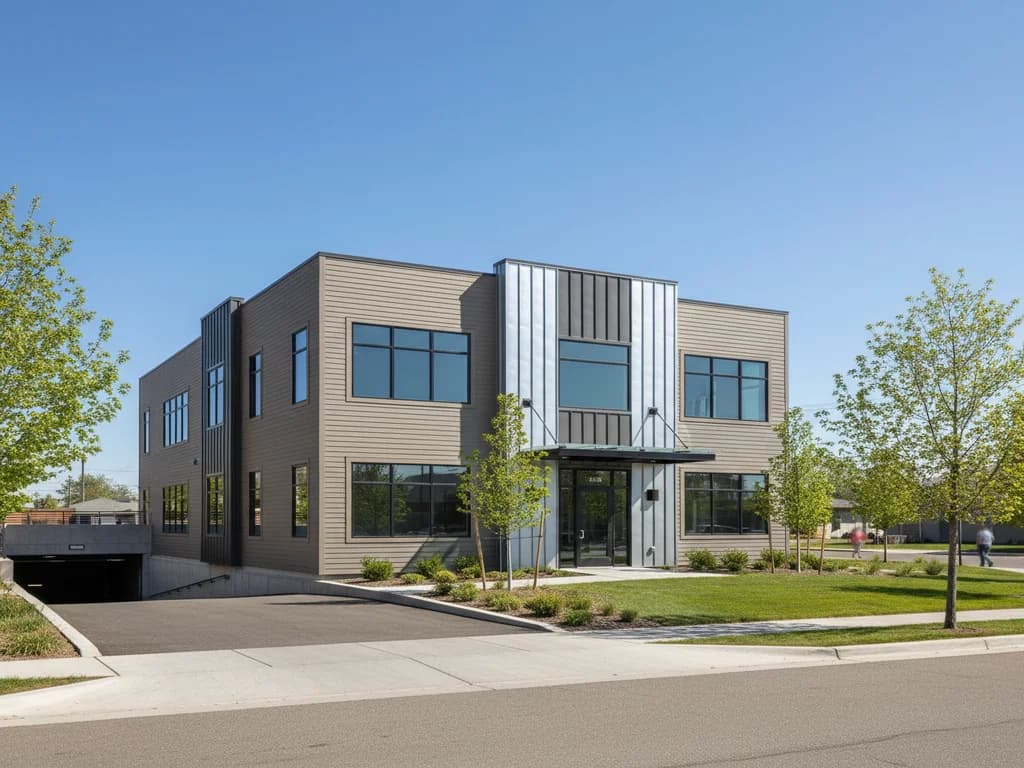
Commercial Siding
Siding and exterior cladding for offices, retail, and light-commercial buildings across the valley.
Learn more →Multifamily & HOA Siding
Siding for apartments, condos, townhomes, and HOA communities — consistent, code-right, on schedule.
Learn more →New Construction Siding
Siding for builders and GCs — accurate, on-schedule installation on new Treasure Valley homes.
Learn more →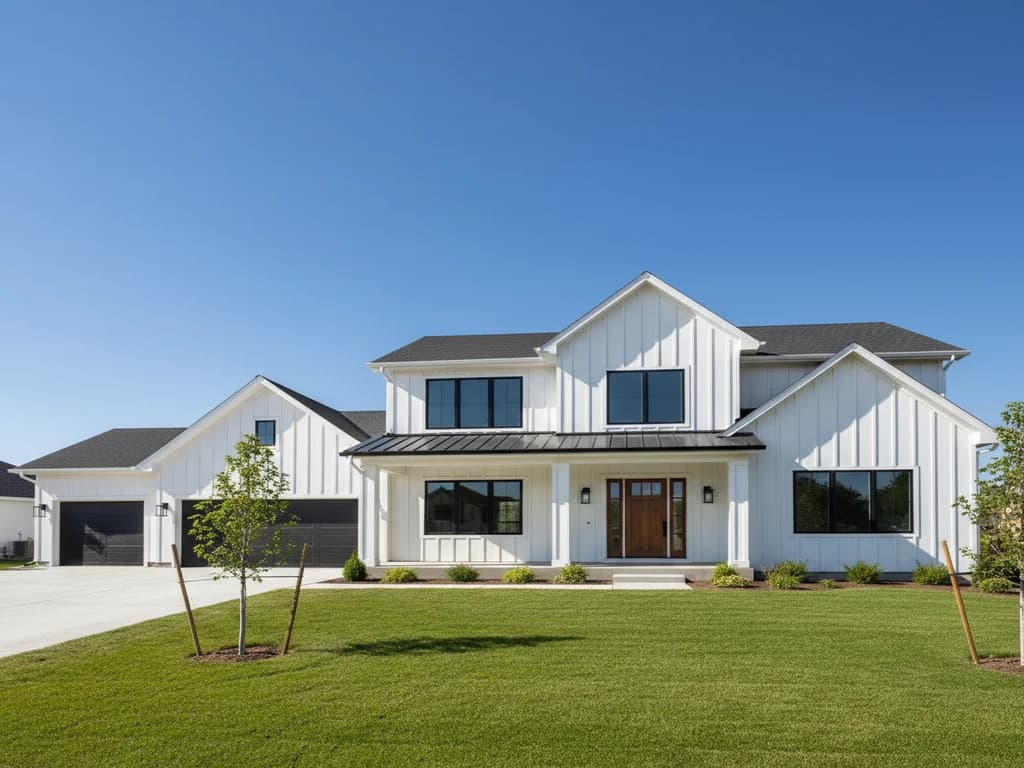
Sources & references
How we back what we say
Our recommendations follow building code, manufacturer specifications, and federal efficiency standards — not sales scripts. These are the primary sources behind the guidance on this page.
- Siding Products & Installation ResourcesJames Hardie
Manufacturer product data and published installation specifications for fiber cement siding, including the HardieZone climate-based product system.
- LP SmartSide Engineered Wood SidingLP Building Solutions
Manufacturer product line and installation instructions for engineered wood siding and trim.
- Energy Saver: SidingU.S. Department of Energy
Background on the wall assembly behind siding — insulation, drainage planes, and moisture control.
- Renovation, Repair and Painting (RRP) RuleU.S. Environmental Protection Agency
Federal lead-safe work practices required when disturbing painted surfaces on homes built before 1978 — relevant to siding tear-offs and window/door replacement on older Treasure Valley homes.
- Idaho Contractor RegistrationIdaho Division of Building Safety
Idaho's contractor registration program (RCE numbers). You can verify any Idaho contractor's registration status here.
- International Residential Code (IRC)International Code Council
The model residential building code Idaho jurisdictions adopt — governs weather-resistive barriers, flashing, fastening, and egress that exterior work must meet.
- Energy Saver: WeatherizeU.S. Department of Energy
DOE guidance on air sealing and the building envelope — the principles behind proper flashing, weather barriers, and sealing.
Need soffit & fascia done right?
Tell us about your siding, window, or door project — we'll come take a look and give you a straight, free estimate.