Treasure Valley Siding
Commercial Siding in the Treasure Valley
Commercial siding & exterior cladding
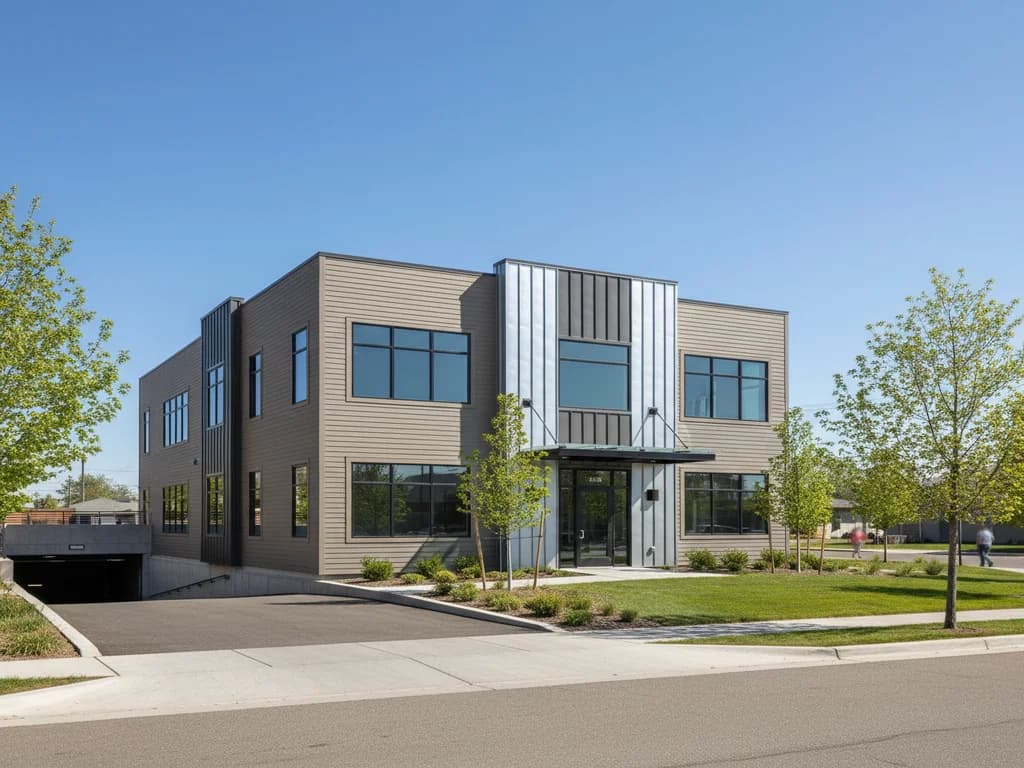
Commercial exteriors have different demands than homes: larger surfaces, tighter schedules, occupied buildings, and property managers who need the work done with minimal disruption to tenants and operations. We install siding and exterior cladding for offices, retail, and light-commercial buildings across the Treasure Valley, with the coordination that kind of project requires built in from the start.
Working primarily in fiber cement and metal cladding for their durability and low maintenance, we handle large-scale re-clads and new exteriors, including the trim, soffit, and fascia that complete the building envelope. These materials suit commercial use because they stand up to weather and traffic with minimal upkeep, keeping the building looking maintained without pulling staff into constant repairs.
Scheduling is where commercial work lives or dies. We coordinate phasing, access, staging, and timing with your property manager so customers keep coming in the front door and tenants keep working while the exterior gets done — including working around business hours and around occupied suites when the project calls for it.
This is the right fit for owners and managers of aging light-commercial buildings that need a durable, modern exterior on an operating schedule, or for new commercial builds that need a cladding partner who communicates and keeps pace. We scope around your operations first and quote after seeing the building.
What's included
- Fiber cement & metal cladding
- Tenant-occupied scheduling
- Large-scale re-clad
- Trim, soffit & fascia
- Property-manager coordination
Our process
How we handle commercial siding
- 01
Site review & scope
We assess the building, confirm material, access, and staging, and scope the work around your operations, tenants, and hours.
- 02
Scheduling & coordination
We build a phasing and access plan with your property manager so disruption to customers and tenants stays low throughout the project.
- 03
Tear-off & barrier
Old cladding comes off, the substrate is inspected and prepped, and a proper weather-resistive barrier and flashing are installed.
- 04
Cladding install to spec
Fiber cement or metal cladding is installed to manufacturer spec with the trim, soffit, and fascia that complete the envelope.
- 05
Phased finish & cleanup
We finish and clean each phase as we move through the building, keeping the site safe and presentable for an operating business.
- 06
Final walkthrough
We walk the completed exterior with the owner or manager and close out any punch items before the job is done.
In the Treasure Valley
Built for local homes & weather
As the Treasure Valley's commercial corridors in Boise, Meridian, and Nampa keep growing, we see steady demand for re-clads on aging light-commercial buildings that need a durable, modern exterior on a tight operating schedule. Fiber cement and metal handle our sun, wind, and freeze-thaw with the low maintenance commercial owners want.
Commercial work commonly involves design-review or sign/facade standards in certain corridors and business districts, on top of the building department's requirements. We coordinate with the owner or manager on whatever review and approvals the location requires.
Commercial re-clads generally require permits and inspections, and depending on scope can involve energy-code details for the weather barrier. We coordinate the permit so the work is inspected and documented for the property's records.
Commercial Siding FAQs
Can you work around an occupied building?
Yes — we phase the work and coordinate access, staging, and timing so tenants and customers can keep operating with minimal disruption, including working around business hours and occupied suites when the project calls for it.
What materials do you use on commercial jobs?
Most commonly fiber cement and metal cladding, for their durability, low maintenance, and clean modern look under commercial wear. We select the specific product to fit the building's design, exposure, and budget.
Do you coordinate with our property manager?
Absolutely — we work directly with owners and property managers on scope, scheduling, access, and phasing throughout the project, and we walk the finished exterior with you to close out punch items.
How do you keep our customers and tenants comfortable during the work?
Through a phasing plan that keeps entrances and parking usable, clear communication on what's happening where and when, daily site cleanup, and safe staging. The goal is an exterior that gets done without the business feeling like a construction zone.
What drives commercial siding cost?
Building size and height, access and staging, the material, phasing and scheduling requirements, and substrate condition once cladding is removed are the main factors. We quote after a site review rather than over the phone.
What siding materials work best for commercial buildings here?
Commercial walls in the valley often go to fiber cement panels, metal and steel panel systems, or engineered wood, chosen for fire resistance, low maintenance, durability, and the look the property calls for. Fire-rated assemblies and larger-format panels are common on commercial work in ways they aren't on houses. The right system depends on the building type, the code path, and how the wall is used.
What drives the cost of a commercial siding project?
Building size and height, access and staging or lift needs, the panel system and finish, tear-off and disposal, any substrate repair, and the code requirements for the occupancy all factor in. Larger and taller buildings carry more staging and safety cost. We assess the building on site and price from its actual conditions rather than a per-square-foot figure.
Can you work around our business hours and operations?
We schedule commercial exterior work to keep entrances, parking, and operations as workable as possible, and we sequence walls so a business can keep running during the project. Specifics depend on the building, the access points, and your tolerance for staging near doors. We'll plan the phasing with you before we start.
Do commercial siding projects need permits and inspections?
Commercial exterior work generally falls under the adopted building code with permits and inspections, and commercial occupancies often carry stricter fire and assembly requirements than houses. The path runs through the jurisdiction's building department, which differs across Boise, Meridian, Nampa, and the counties. We build to the inspected code path for your address and occupancy.
How long does a commercial re-clad take?
Timeline scales with the building's size, height, the panel system, and how much the work has to be phased around an operating business; a larger building can run several weeks or more. Access, staging, and weather all affect the schedule in our climate. We give a realistic phased timeline after assessing the building.
Other siding types we install
Explore the rest of our siding materials and services across the Treasure Valley.
Materials
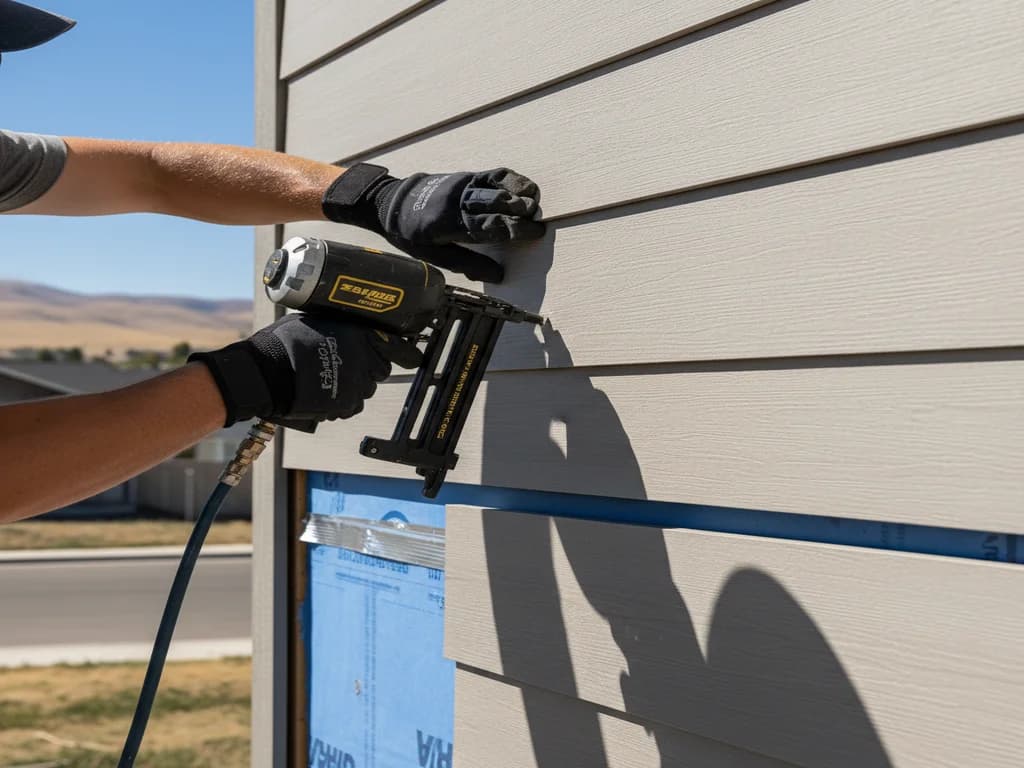
Fiber Cement Siding
Durable, fire- and rot-resistant fiber cement siding built for Idaho's freeze-thaw swings.
Learn more →Engineered Wood Siding
Engineered wood siding combining a real-wood appearance with better moisture and impact resistance.
Learn more →Vinyl Siding
Low-maintenance, budget-friendly vinyl siding in a wide range of colors and profiles.
Learn more →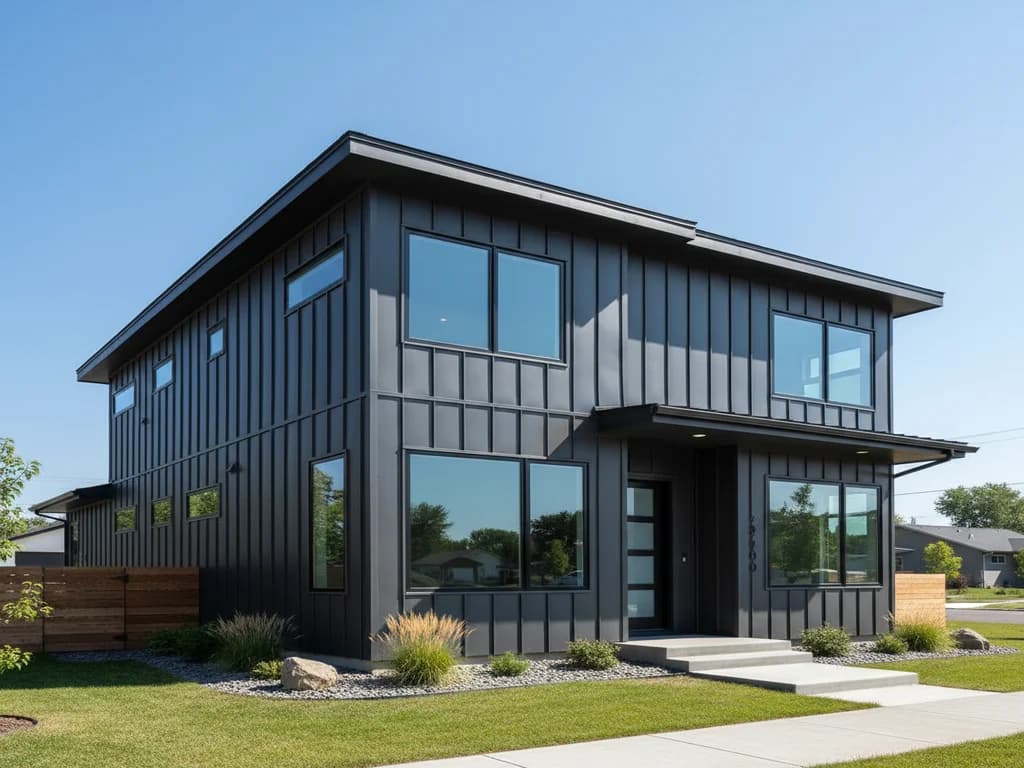
Steel & Metal Siding
Tough steel and metal siding for a modern look with serious weather and impact resistance.
Learn more →Brands We Install
Repair & Specialty
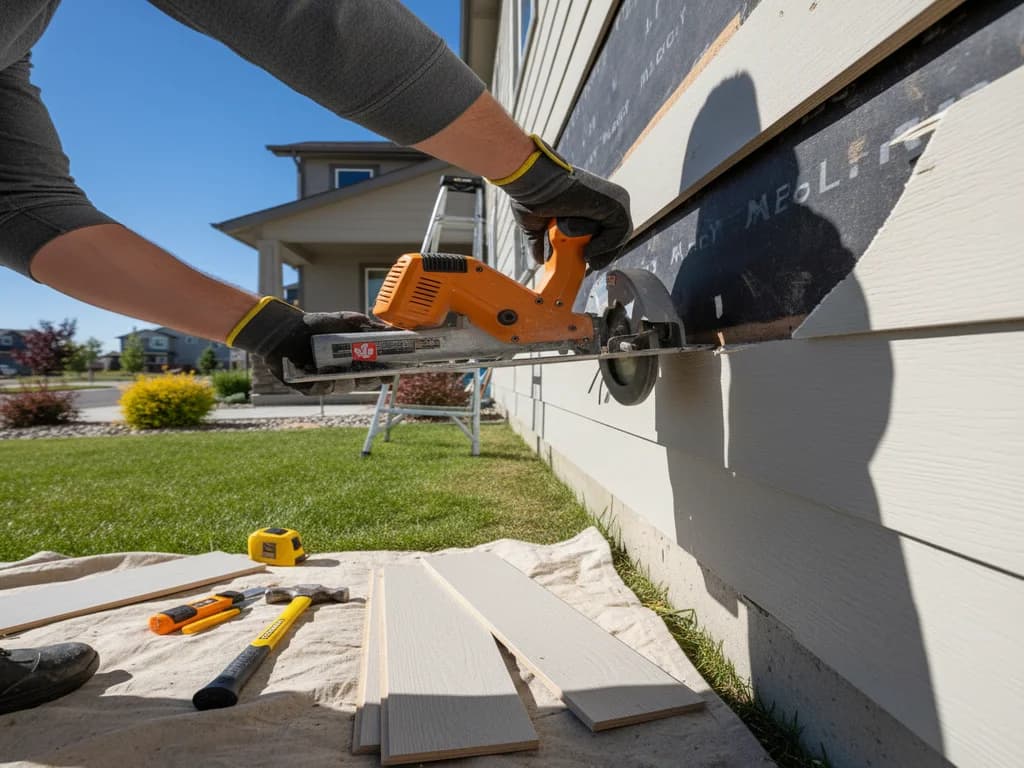
Siding Repair
Targeted siding repair — cracked boards, storm damage, and failed sections fixed and color-matched.
Learn more →Dry Rot & Water Damage Repair
Find and fix the rot behind failing siding — damaged sheathing, trim, and substrate restored.
Learn more →Siding Replacement & Re-Side
Full tear-off and re-side — swap tired or failing siding for a tight, modern, weather-ready exterior.
Learn more →Storm & Hail Damage Siding
Wind- and hail-damaged siding assessed, documented, and restored after Treasure Valley storms.
Learn more →Commercial & Multifamily
Sources & references
How we back what we say
Our recommendations follow building code, manufacturer specifications, and federal efficiency standards — not sales scripts. These are the primary sources behind the guidance on this page.
- Siding Products & Installation ResourcesJames Hardie
Manufacturer product data and published installation specifications for fiber cement siding, including the HardieZone climate-based product system.
- LP SmartSide Engineered Wood SidingLP Building Solutions
Manufacturer product line and installation instructions for engineered wood siding and trim.
- Energy Saver: SidingU.S. Department of Energy
Background on the wall assembly behind siding — insulation, drainage planes, and moisture control.
- Renovation, Repair and Painting (RRP) RuleU.S. Environmental Protection Agency
Federal lead-safe work practices required when disturbing painted surfaces on homes built before 1978 — relevant to siding tear-offs and window/door replacement on older Treasure Valley homes.
- Idaho Contractor RegistrationIdaho Division of Building Safety
Idaho's contractor registration program (RCE numbers). You can verify any Idaho contractor's registration status here.
- International Residential Code (IRC)International Code Council
The model residential building code Idaho jurisdictions adopt — governs weather-resistive barriers, flashing, fastening, and egress that exterior work must meet.
- Energy Saver: WeatherizeU.S. Department of Energy
DOE guidance on air sealing and the building envelope — the principles behind proper flashing, weather barriers, and sealing.
Need commercial siding done right?
Tell us about your siding, window, or door project — we'll come take a look and give you a straight, free estimate.