Treasure Valley Siding
Siding Replacement & Re-Side in the Treasure Valley
Full siding replacement, done in one clean pass
A full siding replacement is the clean reset for a tired or failing exterior: complete tear-off, a fresh weather-resistive barrier, and new siding installed in one organized pass. It's also the moment to upgrade material, profile, and color, and to correct everything the old cladding was hiding — so you get a wall that performs as a system, not just a new skin over old problems.
Re-siding is where hidden issues finally get fixed. With the old siding off, we inspect and repair sheathing, correct reverse-lapped or missing flashing, re-detail the weather barrier, and address rot before it spreads. Years of Idaho sun and freeze-thaw tend to leave layered problems — failed house wrap, brittle boards, bad flashing at windows — and a re-side corrects them all at once instead of one repair at a time.
It's also the natural time to change materials. Moving from old vinyl to fiber cement, or to engineered wood for a warmer look, costs little extra over the re-side labor you're already committing to, and it can transform both the durability and the curb appeal of the home. We lay out the options with honest pros, cons, and cost factors.
Full replacement is the right choice when damage or fading is widespread, the barrier or flashing underneath has failed, or you simply want to reset the exterior for the long haul. When targeted repair would serve you better, we'll say so rather than sell a project you don't need.
What's included
- Complete tear-off & haul-away
- Substrate & sheathing inspection
- New weather-resistive barrier
- Material upgrade options
- Trim, fascia & soffit
Our process
How we handle siding replacement & re-side
- 01
Scope & material selection
We assess the home, lay out material, profile, and color options with honest trade-offs, and quote a full re-side with a clear, written scope.
- 02
Complete tear-off & haul-away
All old siding and trim come off and we haul it away, leaving the wall bare and ready for an honest inspection — no cover-ups.
- 03
Substrate inspection & repair
We inspect the sheathing and framing, repair or replace any rot or water damage, and document anything that affects the scope before covering it back up.
- 04
Weather barrier & flashing
A continuous, correctly lapped weather-resistive barrier goes on with flashing integrated at every window, door, penetration, and transition.
- 05
Install, trim & finish
New siding is installed to manufacturer spec with matching trim, fascia, and soffit, then sealed and finished as one system.
- 06
Cleanup & walkthrough
A magnetic nail sweep clears the site and we walk the finished home with you before calling it complete.
In the Treasure Valley
Built for local homes & weather
Re-sides are how a lot of valley homeowners finally fix the layered problems that years of Idaho sun and freeze-thaw left behind — failed house wrap, reverse-lapped or missing flashing, and brittle old boards all get corrected at once instead of as a string of patches. The valley's dry air can hide moisture damage, so the tear-off often reveals more than the surface suggested, which is exactly why we inspect before covering back up.
A full re-side is also the cleanest moment to satisfy HOA architectural review if you're changing material or color, since you're choosing everything fresh. We help assemble the submittal and pick products that meet both the committee's rules and the look you want around Meridian, Eagle, Star, and Kuna.
Most Treasure Valley jurisdictions require a permit for a full re-side, and re-cladding can trigger current energy-code details around the weather barrier and insulation depending on scope. We coordinate the permit so the work is inspected and on the books, which protects you at resale.
Siding Replacement & Re-Side FAQs
Can I switch materials during a re-side?
Yes — a full re-side is the ideal time to move from, say, old vinyl to fiber cement or engineered wood, because you're already committing to the tear-off and install labor. We'll walk you through the options, the look, and the cost factors so the upgrade is a deliberate choice.
Do you replace the trim and soffit too?
We can, and usually recommend it. Trim, fascia, and soffit are part of the same weather and aesthetic system as the siding, so replacing them together gives a consistent finish and lets us correct any rot while the area is open rather than leaving old, failing pieces behind new siding.
What will you find behind my old siding?
It varies — sometimes a sound wall, often degraded house wrap, missing or reverse-lapped flashing, or soft sheathing from years of trapped moisture. Our dry air hides moisture damage, so the tear-off is where the truth shows. We inspect and document before re-covering and flag substrate repairs as a possibility up front.
How long does a full re-side take?
Most single-family re-sides run from several days to a couple of weeks depending on size, material, weather, and what we find when the old siding comes off. Fiber cement installs slower than vinyl, and discovered repairs can extend the window — we give a realistic estimate and update you if the wall changes the scope.
What drives the cost?
Square footage, stories and access, the material and finish you choose, the amount of trim and detail, and how much substrate repair the walls need once they're open are the main factors. We quote after a site visit and are upfront that substrate repairs are only fully visible after tear-off.
What goes into the cost of a full siding replacement?
The big drivers are wall area and number of stories, full tear-off and disposal of the old siding, any sheathing or rot repair found once the walls are open, the material grade you select, and the trim, corner, and gable detail. Two-story homes and steep gables need staging or lift access, which adds labor. Because the hidden condition matters so much, we price it from an on-site look, not a square-foot guess.
How long does a full re-side take?
A typical single-family re-side runs from a few days to a couple of weeks on site, driven by house size, tear-off, how much rot or sheathing repair turns up, and weather. We don't hang or finish in heavy rain or hard freeze, so the valley's shoulder seasons can stretch a schedule. We give you a realistic window once we've measured and confirmed material lead times.
Does a full re-side require a permit in Ada or Canyon County?
Full siding replacement generally does require a building permit under the locally adopted IRC, since it can involve weather-barrier and sometimes sheathing work that gets inspected. The exact requirements differ between Boise, Meridian, Nampa, Caldwell, and the county building departments. We handle the permits we're responsible for and build to the inspected path.
Is it worth replacing siding instead of repeatedly repairing it?
When the failures are widespread, when paint won't hold, or when you're finding moisture behind multiple walls, replacement usually beats chasing repairs because each patch only addresses one symptom. A full re-side also lets us correct the weather barrier and flashing across the whole house at once. If only a wall or two is failing, targeted repair is the cheaper path, and we'll say so.
Will you add or upgrade the weather barrier during replacement?
With the old siding off, a re-side is the right time to inspect and install a proper weather-resistive barrier and correct the flashing at windows, doors, and penetrations, since those are buried once new cladding goes on. Getting the barrier and flashing right is what keeps the new siding dry for its full lifespan. We build that detail into the replacement rather than just hanging new boards.
Other siding types we install
Explore the rest of our siding materials and services across the Treasure Valley.
Materials
Fiber Cement Siding
Durable, fire- and rot-resistant fiber cement siding built for Idaho's freeze-thaw swings.
Learn more →Engineered Wood Siding
Engineered wood siding combining a real-wood appearance with better moisture and impact resistance.
Learn more →Vinyl Siding
Low-maintenance, budget-friendly vinyl siding in a wide range of colors and profiles.
Learn more →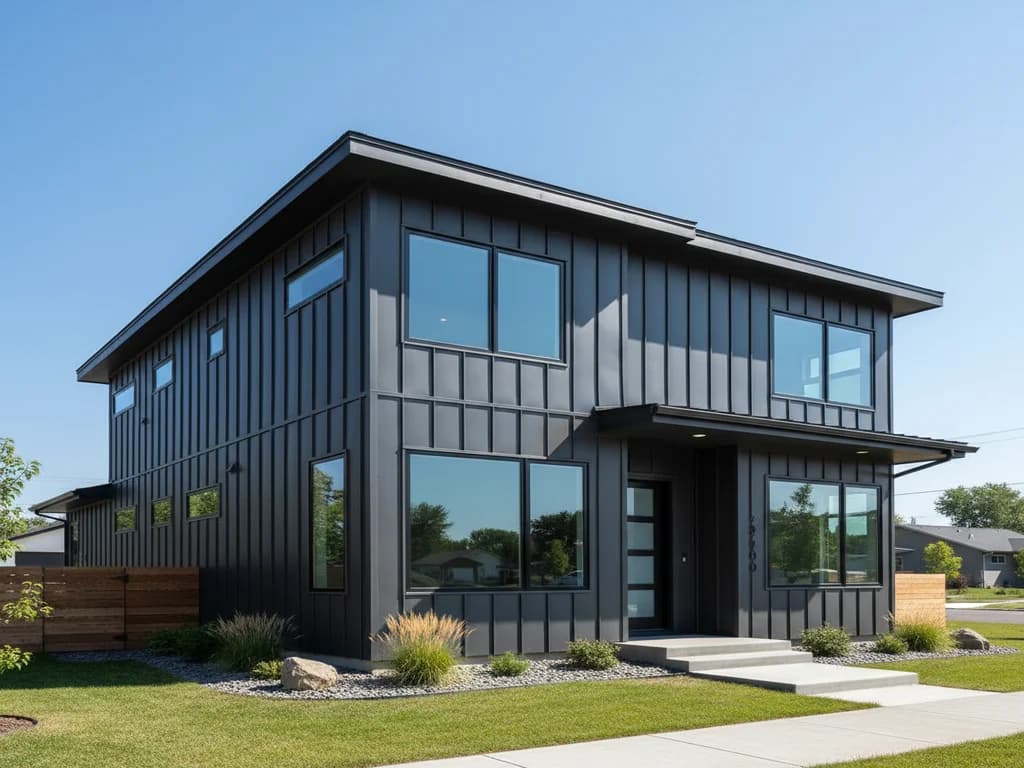
Steel & Metal Siding
Tough steel and metal siding for a modern look with serious weather and impact resistance.
Learn more →Brands We Install
Repair & Specialty
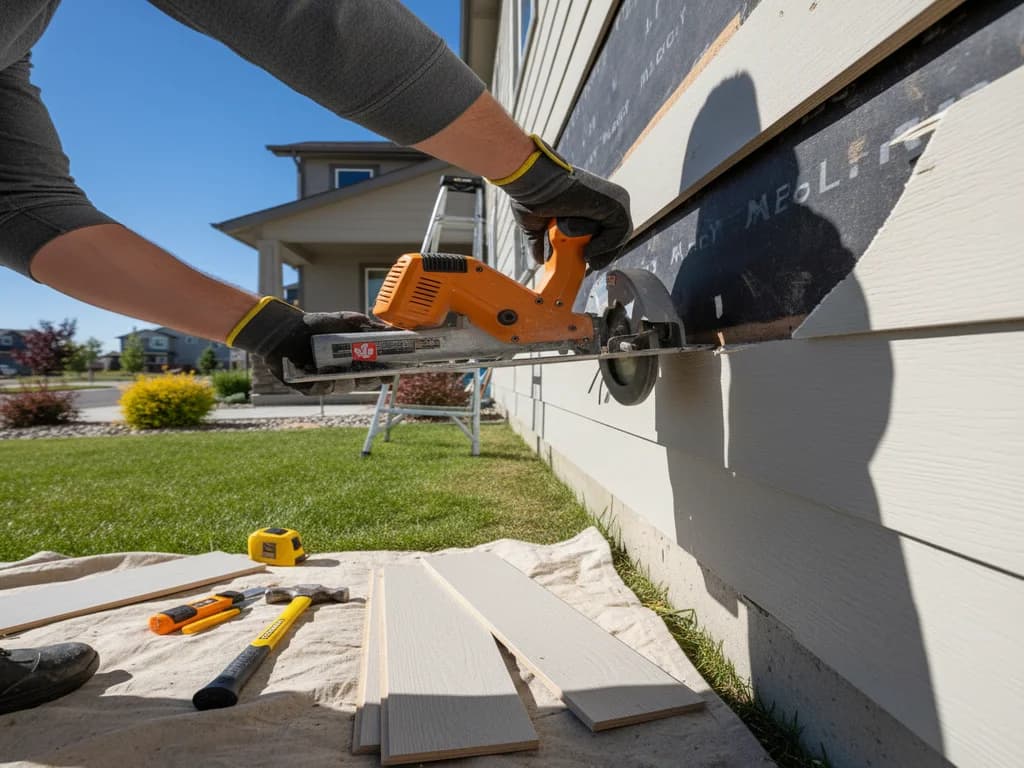
Siding Repair
Targeted siding repair — cracked boards, storm damage, and failed sections fixed and color-matched.
Learn more →Dry Rot & Water Damage Repair
Find and fix the rot behind failing siding — damaged sheathing, trim, and substrate restored.
Learn more →Storm & Hail Damage Siding
Wind- and hail-damaged siding assessed, documented, and restored after Treasure Valley storms.
Learn more →Commercial & Multifamily
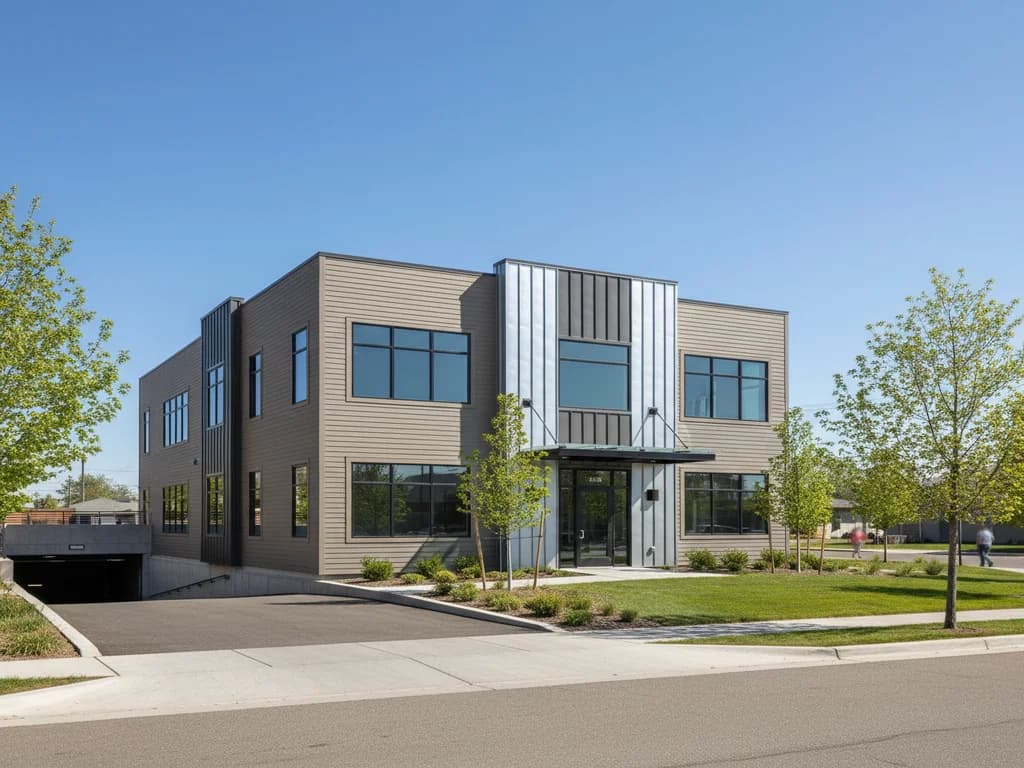
Commercial Siding
Siding and exterior cladding for offices, retail, and light-commercial buildings across the valley.
Learn more →Multifamily & HOA Siding
Siding for apartments, condos, townhomes, and HOA communities — consistent, code-right, on schedule.
Learn more →New Construction Siding
Siding for builders and GCs — accurate, on-schedule installation on new Treasure Valley homes.
Learn more →
Helpful guides
Plain, local guidance to research siding replacement & re-side before you commit.
Sources & references
How we back what we say
Our recommendations follow building code, manufacturer specifications, and federal efficiency standards — not sales scripts. These are the primary sources behind the guidance on this page.
- Siding Products & Installation ResourcesJames Hardie
Manufacturer product data and published installation specifications for fiber cement siding, including the HardieZone climate-based product system.
- LP SmartSide Engineered Wood SidingLP Building Solutions
Manufacturer product line and installation instructions for engineered wood siding and trim.
- Energy Saver: SidingU.S. Department of Energy
Background on the wall assembly behind siding — insulation, drainage planes, and moisture control.
- Renovation, Repair and Painting (RRP) RuleU.S. Environmental Protection Agency
Federal lead-safe work practices required when disturbing painted surfaces on homes built before 1978 — relevant to siding tear-offs and window/door replacement on older Treasure Valley homes.
- Idaho Contractor RegistrationIdaho Division of Building Safety
Idaho's contractor registration program (RCE numbers). You can verify any Idaho contractor's registration status here.
- International Residential Code (IRC)International Code Council
The model residential building code Idaho jurisdictions adopt — governs weather-resistive barriers, flashing, fastening, and egress that exterior work must meet.
- Energy Saver: WeatherizeU.S. Department of Energy
DOE guidance on air sealing and the building envelope — the principles behind proper flashing, weather barriers, and sealing.
Need siding replacement & re-side done right?
Tell us about your siding, window, or door project — we'll come take a look and give you a straight, free estimate.