Treasure Valley Siding
Storm & Hail Damage Siding in the Treasure Valley
Storm & hail siding damage, made right
Treasure Valley storms bring high wind and hail that can crack, puncture, dent, and tear siding loose — sometimes obviously, sometimes in ways you only notice after the next rain finds its way inside. Storm and hail damage repair gets the exterior thoroughly assessed and made weather-tight again, whether that means a single elevation or the whole home.
We inspect the full exterior for wind and hail damage, including the subtle impacts that are easy to miss — hairline cracks, loosened nailing, dings on storm-facing walls, and compromised seals that aren't visible from the ground. Catching that subtle damage matters, because an opening you can't see is exactly where water gets behind the wall and starts hidden rot.
We document what we find with notes and photos so you have a clear record for your files, then restore the affected siding — matching profile and color as closely as the existing material allows — and re-seal flashing and joints so the wall sheds water the way it should. We handle the construction; any insurance or claims process stays between you and your provider.
This is the right service after a storm has clearly hit your home, or when you want a professional check before a small problem becomes a wet wall. We assess honestly: if the damage is cosmetic and the wall is sound, we'll say so rather than push a full replacement.
What's included
- Wind & hail damage assessment
- Documentation for your records
- Section & full replacement
- Color & profile matching
- Weather-tight re-seal
Our process
How we handle storm & hail damage siding
- 01
Full-exterior damage assessment
We inspect every elevation for wind and hail damage, paying close attention to storm-facing walls and the subtle impacts and loosened nailing that are easy to miss from the ground.
- 02
Documentation
We document the damage with notes and photos so you have a clear, organized record for your own files and any claim you choose to file.
- 03
Scope & approach
We determine whether a section repair or a full-elevation replacement is the right fix and confirm color and profile matching expectations with you.
- 04
Repair or replace
We replace damaged siding — a section or a full elevation — matching profile and color as closely as the existing material allows.
- 05
Re-seal & weatherproof
Joints, flashing, and seals are restored so the wall is weather-tight against the next storm, then we clean up the area.
In the Treasure Valley
Built for local homes & weather
Summer thunderstorms can push hail and hard wind through the valley quickly, and wind-driven impacts tend to hit the south and west elevations hardest — that's where we look first after a storm in areas like Nampa, Caldwell, and Kuna. Because our dry air hides moisture, the dangerous storm damage is often the small breach you don't see, which is why a thorough assessment beats a quick glance.
On HOA properties, storm repairs and replacements still have to match approved color and profile. We match as closely as the existing — often weathered — material allows and are upfront when an exact match on aged siding isn't achievable.
A section repair generally doesn't require a permit, but a full-elevation or whole-home replacement triggered by storm damage can fall under the same permit and inspection rules as a re-side, depending on scope. We coordinate anything that needs to be inspected.
Storm & Hail Damage Siding FAQs
How do I tell if my siding has hail damage?
Look for dents, cracks, chips, holes, and loosened or missing pieces, especially on storm-facing south and west walls. Some hail damage is subtle — hairline cracks or loosened nailing you can't spot from the ground — so a close inspection is the only reliable way to confirm.
Can you match the undamaged siding?
We match profile and color as closely as the existing material allows. On older, sun-faded siding an exact match isn't always possible because the original color has weathered, and we'll be upfront about that before we start.
Do you document the damage and handle insurance?
We document the damage with notes and photos so you have a clear record. We handle the construction side; any claims or insurance process is between you and your provider, and we don't make promises about coverage or adjuster outcomes.
Should I repair a section or replace the whole elevation?
It depends on how concentrated the damage is and whether the surrounding siding can be matched. Scattered damage across an elevation often makes a full-elevation replacement the cleaner result; concentrated damage may only need a section. We give you a straight recommendation after assessing.
Why worry about damage I can't even see?
Because in our dry climate water gets behind a small breach and rots sheathing quietly, with no humidity to make staining obvious. A subtle storm opening you ignore today can become a soft, expensive wall later — which is why we make the wall weather-tight, not just cosmetically fixed.
What affects the cost?
How much siding is affected, whether it's a section or full elevation, access and height, color and profile matching, and any hidden damage found behind the siding are the main factors. We quote after inspecting.
What does storm and hail damage to siding look like?
On vinyl, look for cracks, chips, and punched holes, which show up more after cold-weather hail; on steel and metal, dents in the panel face; on fiber cement and wood, chips, cracks, and gouges. Wind damage shows as loose, lifted, or missing boards and panels, often along edges and corners. Damage low on the wall can be hard to see from the ground, so a close look matters.
Will homeowner's insurance cover storm-damaged siding?
Many homeowner's policies cover sudden storm, hail, and wind damage to siding, subject to your deductible and policy terms, though specifics vary by carrier. The key is documenting the damage promptly and tying it to the storm date. We can inspect the walls and provide written documentation and photos to support your claim, but the coverage decision is between you and your insurer.
How soon should I get storm damage looked at?
Sooner is better, because cracked or punched siding lets water into the wall, and most insurers want claims filed within a window after the event. A quick assessment tells you whether it's a repair or a replacement and gives you documentation while the cause is fresh. If a panel is open to the weather, a temporary cover buys time before the full repair.
Can hail-damaged siding be spot-repaired or does the whole wall go?
It depends on the spread: a few damaged boards or panels can be replaced individually, but a wall peppered with hail dents or cracks, or one where matching faded material isn't possible, often gets re-clad for a uniform result. Insurance scope frequently drives this decision too. We'll lay out both the repair and replacement options after inspecting.
What siding handles valley hail and wind best?
Steel resists puncture and won't crack, though large hail can dent it; fiber cement and engineered wood resist impact better than thin vinyl. Vinyl is most vulnerable to cracking from hail, especially in cold weather and at builder-grade thickness. Correct fastening matters as much as material when it comes to wind holding the cladding on.
Other siding types we install
Explore the rest of our siding materials and services across the Treasure Valley.
Materials
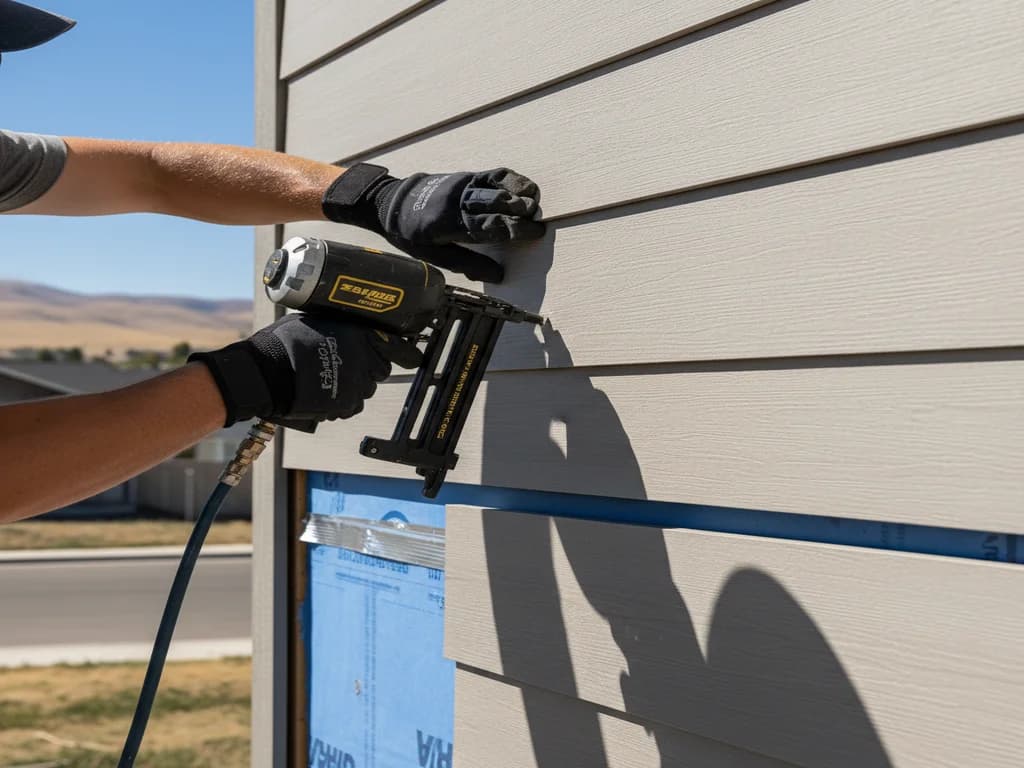
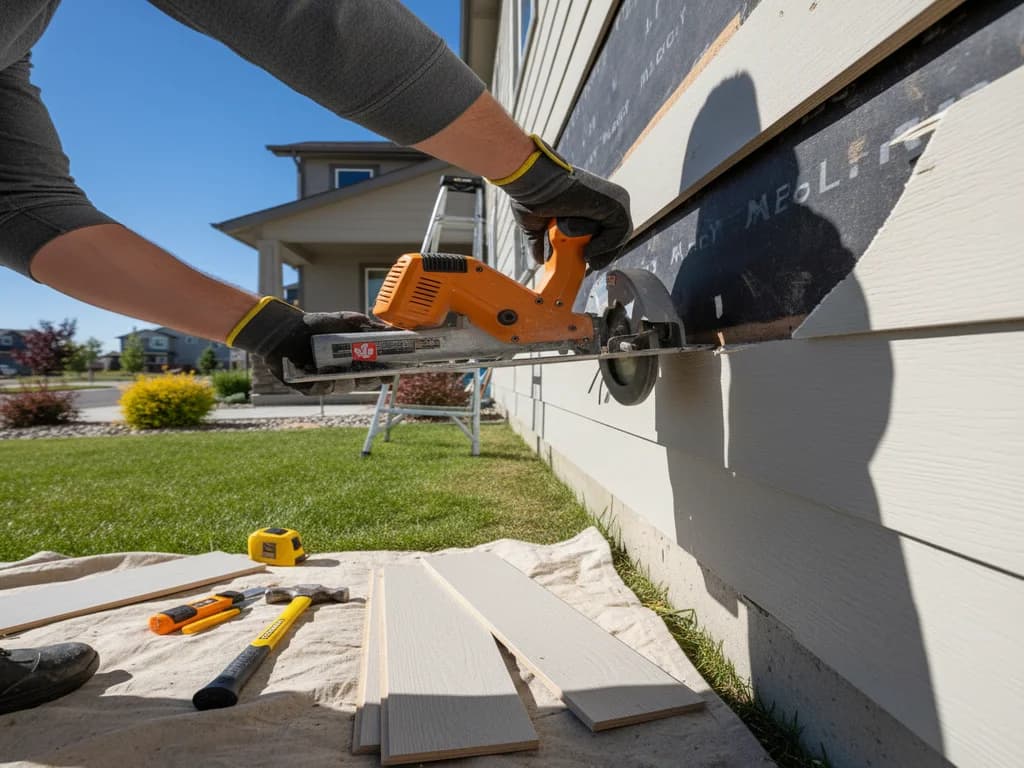
Fiber Cement Siding
Durable, fire- and rot-resistant fiber cement siding built for Idaho's freeze-thaw swings.
Learn more →Engineered Wood Siding
Engineered wood siding combining a real-wood appearance with better moisture and impact resistance.
Learn more →Vinyl Siding
Low-maintenance, budget-friendly vinyl siding in a wide range of colors and profiles.
Learn more →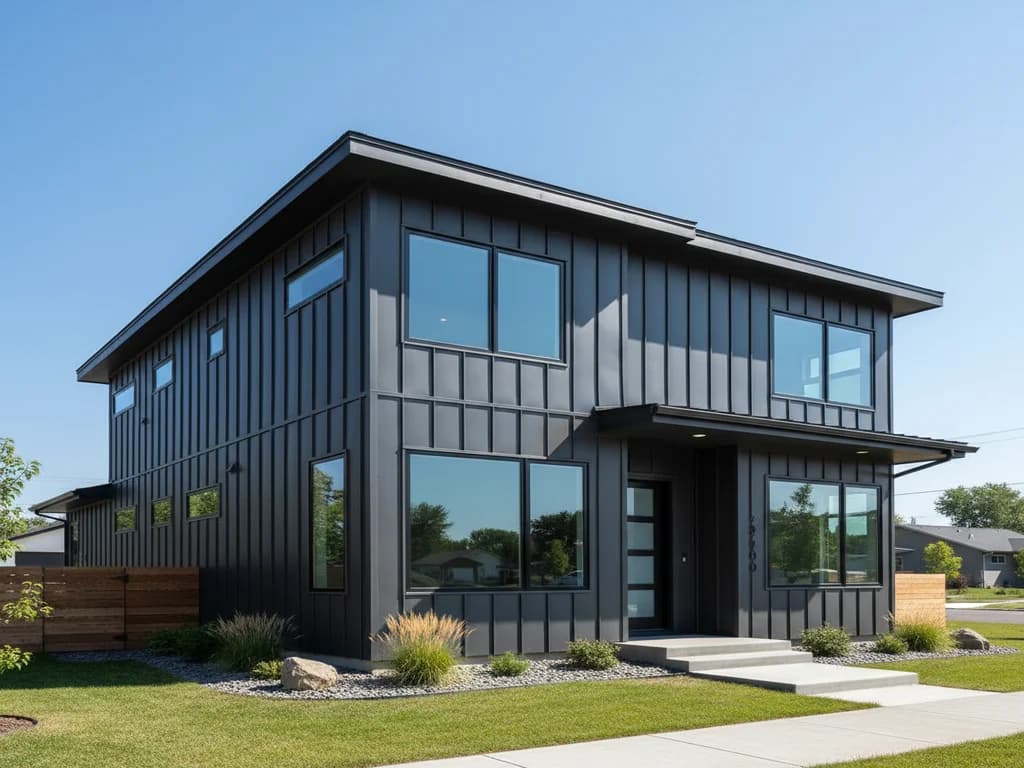
Steel & Metal Siding
Tough steel and metal siding for a modern look with serious weather and impact resistance.
Learn more →Brands We Install
Repair & Specialty
Siding Repair
Targeted siding repair — cracked boards, storm damage, and failed sections fixed and color-matched.
Learn more →Dry Rot & Water Damage Repair
Find and fix the rot behind failing siding — damaged sheathing, trim, and substrate restored.
Learn more →Siding Replacement & Re-Side
Full tear-off and re-side — swap tired or failing siding for a tight, modern, weather-ready exterior.
Learn more →Commercial & Multifamily
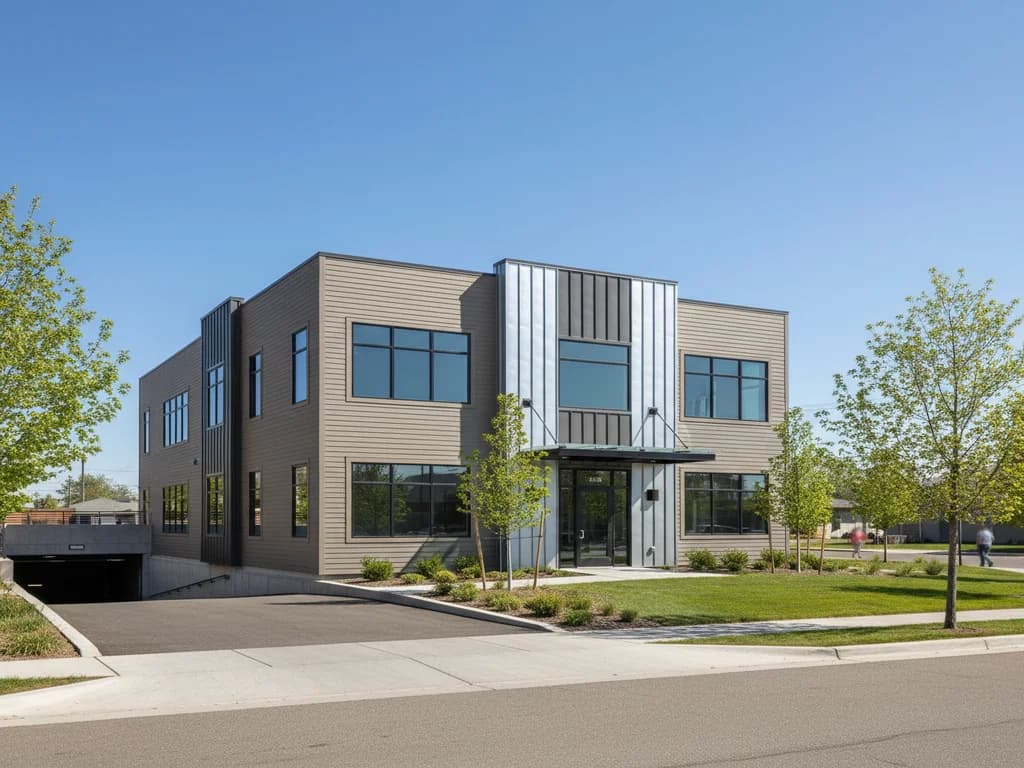
Commercial Siding
Siding and exterior cladding for offices, retail, and light-commercial buildings across the valley.
Learn more →Multifamily & HOA Siding
Siding for apartments, condos, townhomes, and HOA communities — consistent, code-right, on schedule.
Learn more →New Construction Siding
Siding for builders and GCs — accurate, on-schedule installation on new Treasure Valley homes.
Learn more →
Helpful guides
Plain, local guidance to research storm & hail damage siding before you commit.
Sources & references
How we back what we say
Our recommendations follow building code, manufacturer specifications, and federal efficiency standards — not sales scripts. These are the primary sources behind the guidance on this page.
- Siding Products & Installation ResourcesJames Hardie
Manufacturer product data and published installation specifications for fiber cement siding, including the HardieZone climate-based product system.
- LP SmartSide Engineered Wood SidingLP Building Solutions
Manufacturer product line and installation instructions for engineered wood siding and trim.
- Energy Saver: SidingU.S. Department of Energy
Background on the wall assembly behind siding — insulation, drainage planes, and moisture control.
- Renovation, Repair and Painting (RRP) RuleU.S. Environmental Protection Agency
Federal lead-safe work practices required when disturbing painted surfaces on homes built before 1978 — relevant to siding tear-offs and window/door replacement on older Treasure Valley homes.
- Idaho Contractor RegistrationIdaho Division of Building Safety
Idaho's contractor registration program (RCE numbers). You can verify any Idaho contractor's registration status here.
- International Residential Code (IRC)International Code Council
The model residential building code Idaho jurisdictions adopt — governs weather-resistive barriers, flashing, fastening, and egress that exterior work must meet.
- Energy Saver: WeatherizeU.S. Department of Energy
DOE guidance on air sealing and the building envelope — the principles behind proper flashing, weather barriers, and sealing.
Need storm & hail damage siding done right?
Tell us about your siding, window, or door project — we'll come take a look and give you a straight, free estimate.