Treasure Valley Siding
Engineered Wood Siding in the Treasure Valley
Engineered wood siding with a real-wood look
Engineered wood siding gives you the depth, grain, and shadow lines of real wood at a lighter weight, with far better moisture and impact resistance than solid lumber. Built from wood strands or fibers bound and treated for durability, it resists the checking, splitting, and rot that make solid cedar and pine a maintenance burden — while still reading as natural wood from the curb. It's a smart middle path for Treasure Valley homes that want warmth without high upkeep.
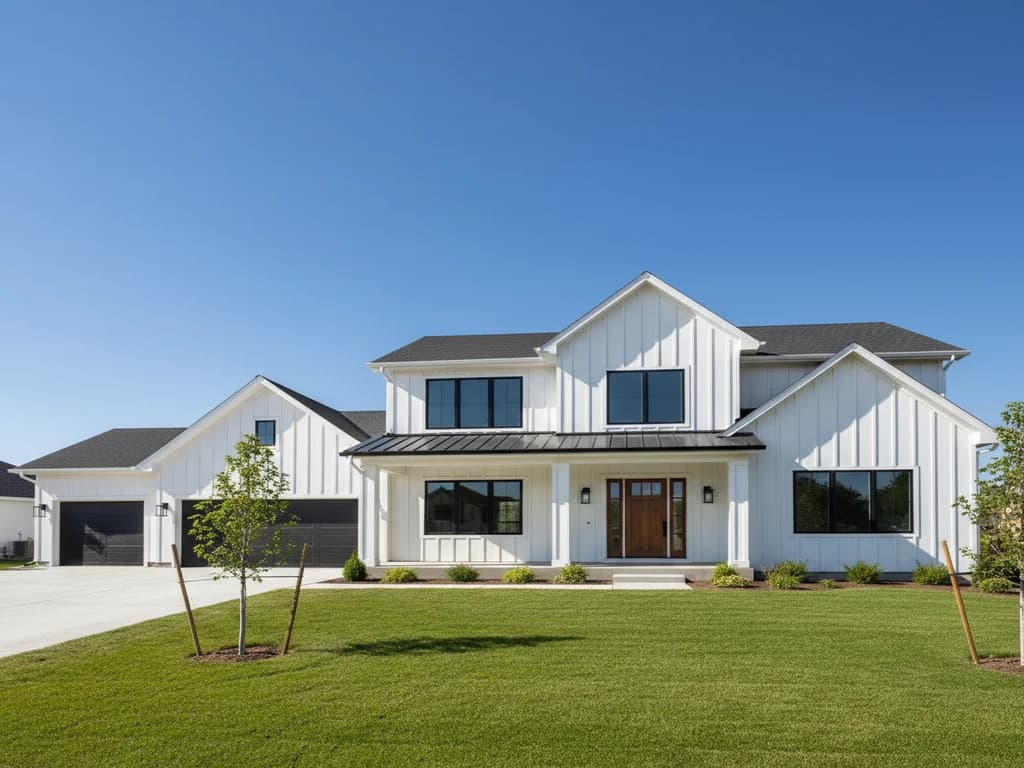
We install engineered wood in lap and vertical profiles, pre-primed or pre-finished, with the trim and accent integration that makes the finished exterior look custom-built rather than mass-produced. It pairs naturally with mixed-material facades — engineered-wood lap on the body with a vertical accent on gables, for instance — which suits the mountain-modern and farmhouse styles common across the valley.
Performance-wise, engineered wood splits the difference between vinyl and fiber cement. It's lighter and easier to work than fiber cement, often making for a faster install, and it impact-resists better than vinyl, which matters where summer storms throw debris. Its treated substrate stands up to our dry-heat-to-deep-freeze swing better than untreated lumber ever could.
It's a good fit for owners who want a genuine wood aesthetic, value a faster and lighter install, and are comfortable maintaining a finish on the normal exterior cycle. We'll compare it honestly against fiber cement so you understand where each material wins before you commit.
What's included
- Lap & vertical profiles
- Pre-primed & pre-finished
- Impact & moisture resistance
- Trim & accent integration
- Full re-side
Our process
How we handle engineered wood siding
- 01
Assessment & selection
We review the home, walk you through lap and vertical profiles and pre-primed versus pre-finished options, and measure for an accurate quote.
- 02
Tear-off & repair
Old cladding comes off, the substrate is inspected, and any rot, soft framing, or water damage is repaired before install.
- 03
Barrier & flashing
We install a fresh weather-resistive barrier and integrate flashing at openings and penetrations so the wall sheds and dries properly.
- 04
Install to spec
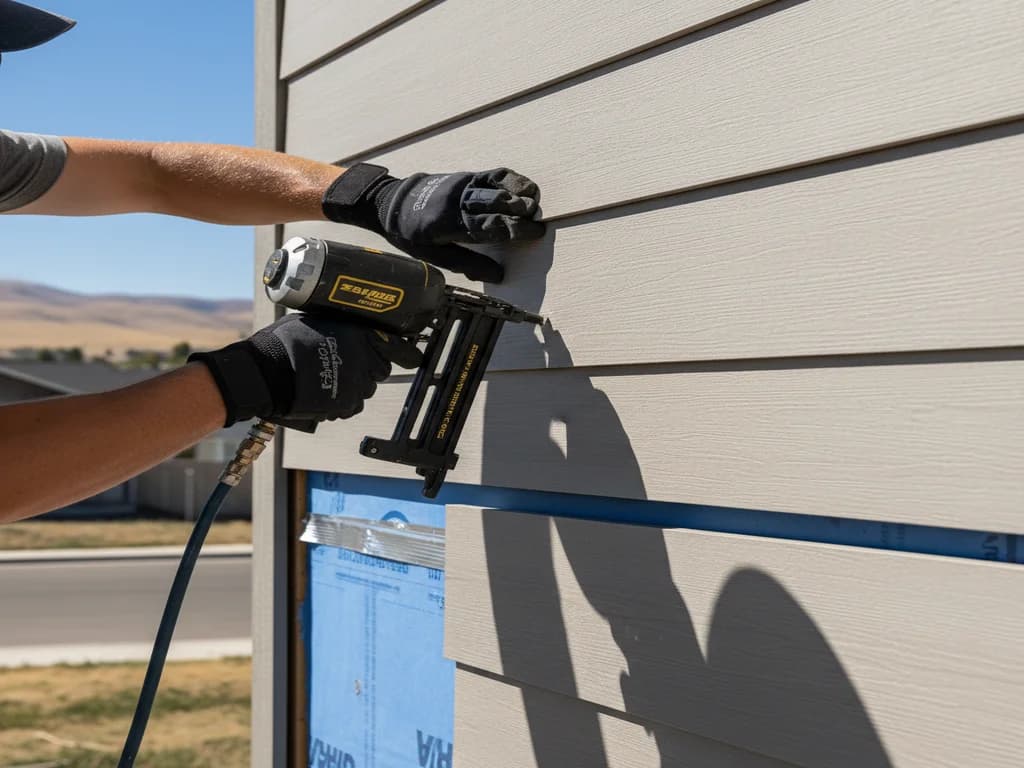
Engineered wood is fastened to the manufacturer's published spec with correct clearances and sealed cut edges, the details that keep the warranty valid.
- 05
Trim & accent integration
We finish trim, corners, and any accent applications, seal joints, and complete the color so the exterior reads as one intentional design.
- 06
Cleanup & walkthrough
A magnetic nail sweep clears the site and we walk the finished job with you before closing it out.
In the Treasure Valley
Built for local homes & weather
Engineered wood reads as natural cedar from the street, which suits the mountain-modern and farmhouse styles common around Eagle, Star, and the foothills — without cedar's splitting and constant upkeep in our dry climate. Mixed-material facades that combine an engineered-wood body with a contrasting accent are especially popular on newer valley builds.
Many of those subdivisions sit under HOA architectural review covering color and profile. Engineered wood's range of pre-finished colors usually makes committee approval easy, and we'll help assemble what the board needs.
A full re-side generally requires a permit across the valley, and re-cladding can pull in current weather-barrier energy-code details depending on scope. We coordinate the permit so the work is inspected and on the books.
Engineered Wood Siding FAQs
How is engineered wood different from fiber cement?
Engineered wood is lighter, faster to install, and has a warmer, deeper wood grain; fiber cement is denser, non-combustible, and lower-maintenance over time. Both resist the rot and insects that hurt solid wood. The honest trade-off is wood warmth and workability versus mineral durability and fire resistance — we'll compare them for your home.
Will it rot like old wood siding?
No — it's treated and engineered to resist moisture and termites far better than solid lumber. With proper flashing, a weather barrier, and sealed cut edges behind it, it holds up well to Idaho weather. Keeping the finish intact is what preserves that performance.
Can I get it pre-finished?
Yes — pre-finished and pre-primed options are both available. Pre-finished cuts down field painting and gives a consistent factory color with a finish warranty; pre-primed lets you field-paint any custom color. We cover both routes and their trade-offs.
Is engineered wood good for impact and storms?
It impact-resists noticeably better than vinyl, which is worth considering where summer storms throw debris in the valley. It isn't as hard as steel for severe hail, but for typical exposure it's a durable, balanced choice. We'll match the recommendation to your exposure.
How much maintenance does it need?
It's wash-and-inspect plus repainting on the normal exterior cycle for field-painted product, or finish upkeep for pre-finished. Our intense sun can shorten a paint cycle compared to milder climates. It's lower upkeep than solid cedar but higher than mineral fiber cement — we'll set realistic expectations.
What affects the cost?
Profile, finish (pre-finished versus field paint), home size, stories and access, trim and accent complexity, and any substrate repair are the main factors. We provide a firm written quote after a site visit.
What is engineered wood siding and how is it better than old wood siding?
Engineered wood siding is made from wood strands or fibers bonded with resins and factory-treated for moisture and insect resistance, then primed. Compared to solid cedar or pine, it resists the splitting, cupping, and rot that plague natural wood in our climate while keeping a real wood-grain look. It's also more dimensionally stable, so it moves less with the valley's temperature swings.
Does engineered wood siding rot in Idaho?
The factory treatment makes engineered wood far more rot-resistant than untreated lumber, but it isn't waterproof, so the protection depends on installation. Keeping boards off the dirt, flashing windows and penetrations correctly, sealing cut ends, and repainting on schedule are what keep moisture out. Most rot we see in engineered wood traces back to a missing clearance, a failed caulk joint, or sprinklers hitting the wall.
What factors determine the cost of engineered wood siding?
Wall area and number of stories set the base, then tear-off of the old siding, any sheathing or framing repair found behind it, and the trim, corner, and gable detail you want. Pre-finished board costs more than primed board you paint on site, and lap versus board-and-batten changes labor. We price it off your actual house at the free estimate.
How long does engineered wood siding last and what upkeep does it need?
With correct installation and a kept-up paint schedule, engineered wood siding lasts many years in our climate. Upkeep is an occasional wash, watching the caulk joints around openings, keeping the bottom edges clear of soil and irrigation spray, and repainting when the coating dulls. Staying ahead of the paint is the single biggest factor in how long it lasts.
Engineered wood versus fiber cement — which should I pick?
Engineered wood is lighter, cuts faster, and handles easier on tall walls, with a warmer wood look, while fiber cement is heavier, non-combustible, and never rots. If fire resistance and the absolute lowest rot risk top your list, fiber cement wins; if you want easier handling, a wood-grain look, and a slightly friendlier install, engineered wood makes sense. Both perform here when installed to spec.
Other siding types we install
Explore the rest of our siding materials and services across the Treasure Valley.
Materials
Fiber Cement Siding
Durable, fire- and rot-resistant fiber cement siding built for Idaho's freeze-thaw swings.
Learn more →Vinyl Siding
Low-maintenance, budget-friendly vinyl siding in a wide range of colors and profiles.
Learn more →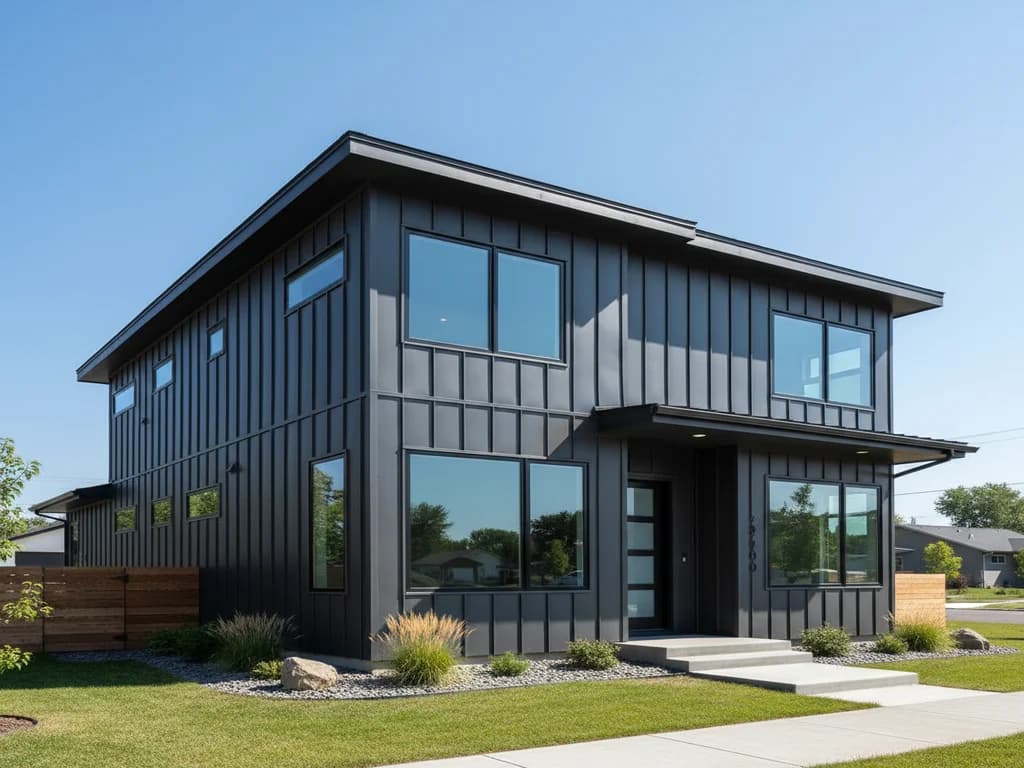
Steel & Metal Siding
Tough steel and metal siding for a modern look with serious weather and impact resistance.
Learn more →Brands We Install
Repair & Specialty
Siding Repair
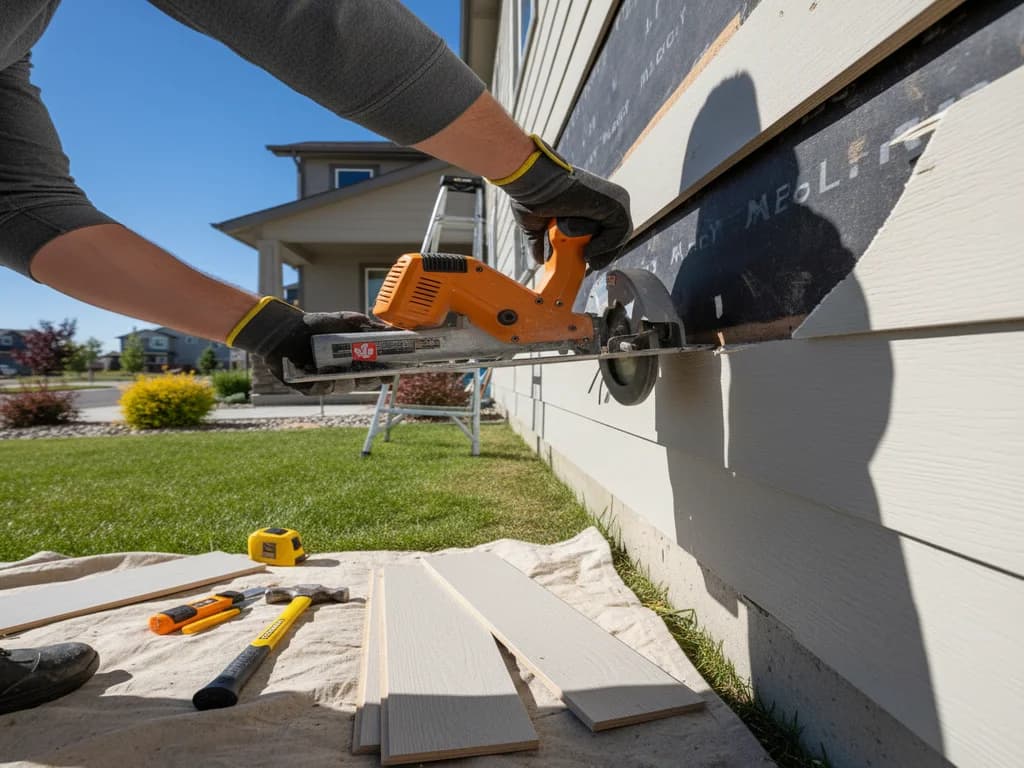
Targeted siding repair — cracked boards, storm damage, and failed sections fixed and color-matched.
Learn more →Dry Rot & Water Damage Repair
Find and fix the rot behind failing siding — damaged sheathing, trim, and substrate restored.
Learn more →Siding Replacement & Re-Side
Full tear-off and re-side — swap tired or failing siding for a tight, modern, weather-ready exterior.
Learn more →Storm & Hail Damage Siding
Wind- and hail-damaged siding assessed, documented, and restored after Treasure Valley storms.
Learn more →Commercial & Multifamily
Commercial Siding
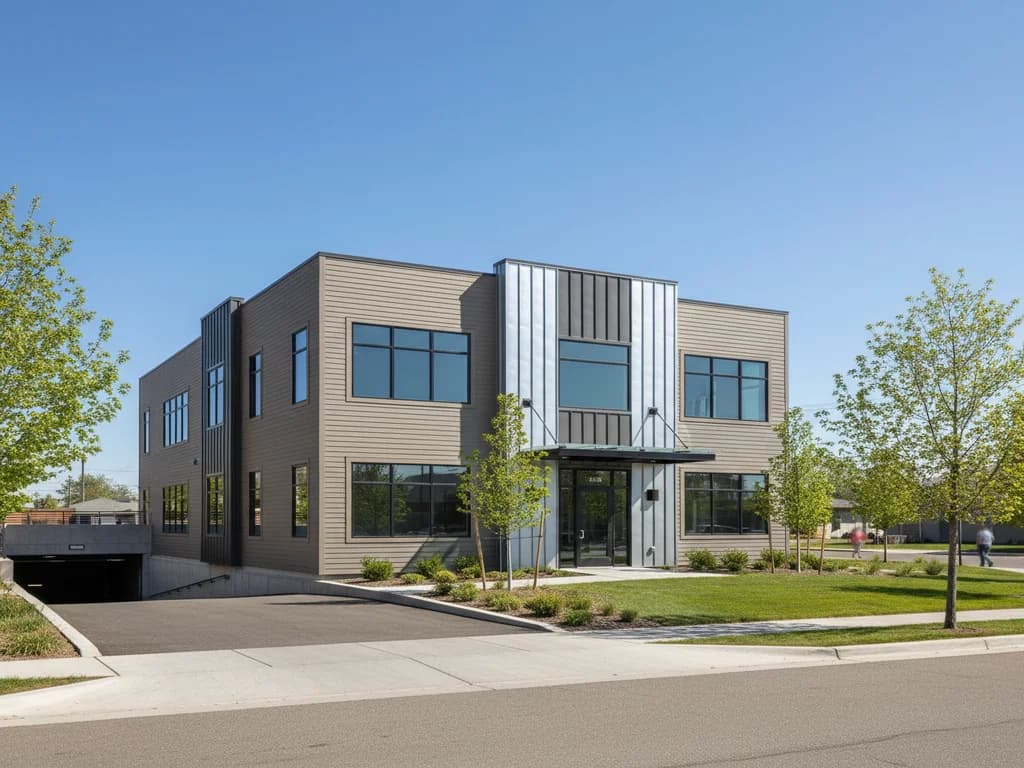
Siding and exterior cladding for offices, retail, and light-commercial buildings across the valley.
Learn more →Multifamily & HOA Siding
Siding for apartments, condos, townhomes, and HOA communities — consistent, code-right, on schedule.
Learn more →New Construction Siding
Siding for builders and GCs — accurate, on-schedule installation on new Treasure Valley homes.
Learn more →
Helpful guides
Plain, local guidance to research engineered wood siding before you commit.
Sources & references
How we back what we say
Our recommendations follow building code, manufacturer specifications, and federal efficiency standards — not sales scripts. These are the primary sources behind the guidance on this page.
- Siding Products & Installation ResourcesJames Hardie
Manufacturer product data and published installation specifications for fiber cement siding, including the HardieZone climate-based product system.
- LP SmartSide Engineered Wood SidingLP Building Solutions
Manufacturer product line and installation instructions for engineered wood siding and trim.
- Energy Saver: SidingU.S. Department of Energy
Background on the wall assembly behind siding — insulation, drainage planes, and moisture control.
- Renovation, Repair and Painting (RRP) RuleU.S. Environmental Protection Agency
Federal lead-safe work practices required when disturbing painted surfaces on homes built before 1978 — relevant to siding tear-offs and window/door replacement on older Treasure Valley homes.
- Idaho Contractor RegistrationIdaho Division of Building Safety
Idaho's contractor registration program (RCE numbers). You can verify any Idaho contractor's registration status here.
- International Residential Code (IRC)International Code Council
The model residential building code Idaho jurisdictions adopt — governs weather-resistive barriers, flashing, fastening, and egress that exterior work must meet.
- Energy Saver: WeatherizeU.S. Department of Energy
DOE guidance on air sealing and the building envelope — the principles behind proper flashing, weather barriers, and sealing.
Need engineered wood siding done right?
Tell us about your siding, window, or door project — we'll come take a look and give you a straight, free estimate.